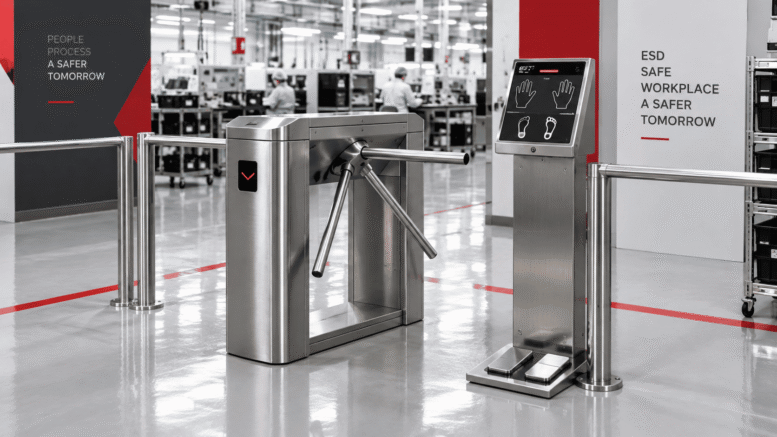
Best EPSS Biometric Attendance System for Remote Teams in 2026
The way we work has fundamentally changed. With hybrid and remote work becoming the norm across Singapore’s businesses, organisations face a significant challenge: how do you accurately track attendance and manage payroll for teams spread across different locations?
Traditional attendance systems—punch cards, manual sign-in sheets, or even basic digital logs—fall short when employees work from home, satellite offices, or customer sites. Remote work requires a smarter, more secure solution that captures accurate attendance data while respecting employee privacy and maintaining compliance with Singapore employment regulations.
This is where biometric attendance systems come into play. By leveraging biometric technology, organisations can create a tamper-proof, reliable record of when employees start and finish work, regardless of where they’re working. For Singapore businesses managing distributed teams in 2026 and beyond, investing in a robust Electronic Personnel Scheduling System (EPSS) with biometric capabilities isn’t just convenient—it’s essential for operational efficiency and regulatory compliance.
Why Remote Teams Need a Biometric Attendance System
Remote work creates unique attendance management challenges that traditional systems simply cannot solve effectively.
The Challenges of Managing Remote Attendance
When employees work from different locations, verifying their actual working hours becomes difficult. Simple digital check-in systems are vulnerable to abuse—someone could log in and then step away, or another person could check in on their behalf. This creates gaps in data accuracy and can lead to payroll errors, disputes over hours worked, and compliance issues.
Additionally, organisations need to maintain accurate records for statutory compliance. In Singapore, the Employment Act requires employers to keep proper records of wages and deductions. For remote teams, this documentation must be equally robust as for office-based staff.
Biometric technology eliminates these pain points by creating an indisputable record of attendance. A fingerprint, facial recognition, or other biometric identifier cannot be shared or forged. It ensures that the person checking in is actually the employee assigned to that shift.
Key Advantages for Singapore Organisations
- Accuracy and Security: Biometric data cannot be falsified or transferred to another person, eliminating buddy clocking and time theft.
- Regulatory Compliance: Maintains compliant records for Ministry of Manpower (MOM) inspections and payroll audits.
- Remote Flexibility: Allows employees to clock in from any location while providing verifiable proof of attendance.
- Reduced Administrative Burden: Automates attendance recording, eliminating manual data entry and human error.
- Payroll Accuracy: Real-time attendance data feeds directly into payroll systems, reducing discrepancies and payment delays.
How Biometric EPSS Systems Work
An Electronic Personnel Scheduling System (EPSS) with biometric capabilities integrates several technologies to create a comprehensive attendance and workforce management platform.
Core Components of a Biometric EPSS
Biometric Capture Devices: These are typically fingerprint scanners or facial recognition systems that capture and store biometric data securely. Modern systems use encrypted digital formats to protect employee privacy.
Centralised Scheduling and Management: The EPSS platform allows administrators to create work schedules, assign shifts, and monitor attendance across all employees and locations from a single dashboard.
Real-Time Attendance Recording: When an employee checks in using their biometric identifier, the system instantly records the timestamp, location, and associated shift information.
Integration with Payroll Systems: Attendance data automatically syncs with payroll platforms, ensuring wages are calculated based on accurate hours worked.
Reporting and Analytics: Comprehensive reports provide insights into attendance patterns, late arrivals, absenteeism, and overtime trends—all valuable for workforce management and planning.
How It Supports Remote Work
For remote team members, the biometric EPSS can be deployed at a central location where employees periodically work, or organisations can use integrated solutions that combine biometric verification with mobile or web-based check-in for truly distributed teams. The key is that whenever and wherever an employee clocks in, their biometric identifier provides proof of their actual presence and working time.
Benefits of Implementing a Biometric EPSS for Remote Teams
Operational Efficiency
Manual attendance management is time-consuming and error-prone. By automating the attendance process, HR and payroll teams can redirect their efforts toward strategic initiatives. Scheduling conflicts are identified automatically, and shift swaps can be managed through the system with proper approval workflows.
Cost Savings
Accurate attendance data directly translates to more accurate payroll. Over-payments and under-payments are virtually eliminated. Additionally, reducing time theft and unauthorised absences protects the bottom line. For organisations with significant remote workforces, these savings compound quickly.
Employee Trust and Fairness
A transparent, biometric-based system is inherently fair. Employees know that their working hours are recorded accurately, and compensation reflects their actual contributions. This builds trust and reduces disputes over pay or accusations of bias in attendance recording.
Data-Driven Decision Making
EPSS platforms generate detailed analytics on workforce trends. Managers can identify patterns in attendance, plan for adequate coverage during peak periods, and make informed decisions about staffing levels and scheduling policies.
Compliance and Audit Readiness
For Singapore organisations, maintaining compliant records is non-negotiable. A robust biometric EPSS creates an auditable trail of attendance that satisfies regulatory requirements and demonstrates good governance during inspections or audits.
Key Considerations When Choosing a Biometric EPSS
Data Privacy and Security
Employee biometric data is sensitive personal information. Any system you select must comply with Singapore’s Personal Data Protection Act (PDPA). Ensure the provider has robust encryption, secure storage practices, and clear data retention policies. Employees should also have the right to understand how their biometric data is being used and stored.
System Reliability and Uptime
Your attendance system must be available whenever employees need to clock in. Look for systems with high uptime guarantees and redundancy measures to prevent data loss.
Ease of Use
The system should be intuitive for both employees and administrators. Complex interfaces lead to user errors and frustration. Test the system with a sample group before full rollout.
Scalability
As your organisation grows, your attendance system should grow with it. Choose a platform that can handle increasing numbers of employees, locations, and data volume without performance degradation.
Integration Capabilities
Your EPSS should integrate seamlessly with existing systems like payroll software, HR management platforms, and financial systems. This reduces manual data transfer and the risk of errors.
How Smart Touch Technology’s BCA EPSS Addresses These Needs
Smart Touch Technology Singapore offers the BCA EPSS, an Electronic Personnel Scheduling System designed specifically for organisations managing diverse, distributed workforces. The solution combines biometric attendance capture with comprehensive scheduling and payroll management capabilities.
The BCA EPSS provides Singapore organisations with a secure, compliant platform for attendance management that works equally well for office-based and remote teams. By automating attendance recording and integrating with payroll systems, it eliminates manual processes, reduces errors, and ensures accurate compensation for employees.
The system is built with security and compliance at its core, helping organisations meet Singapore regulatory requirements while protecting sensitive employee biometric data. Its user-friendly interface ensures adoption across all levels of the organisation, and its scalability means it can grow with your business needs.
For a complete breakdown of features and modules, visit our product page here: https://smartouch.com.sg/bca-bas-epss-solution/
Preparing Your Organisation for a Biometric EPSS Implementation
Communication and Change Management
Introducing biometric technology requires clear communication. Explain to employees why the system is being implemented, how their data will be used and protected, and what the benefits are for them. Address concerns openly and transparently.
Training and Support
Ensure all staff receive adequate training on how to use the biometric system. Provide ongoing support during the transition period to resolve issues quickly.
Pilot Testing
Before rolling out across the entire organisation, test the system with a smaller group. This identifies any technical issues and allows you to refine processes before full implementation.
Conclusion
As remote and hybrid work continue to shape Singapore’s business landscape in 2026 and beyond, organisations need attendance management solutions that are secure, accurate, and compliant. Biometric EPSS systems provide exactly that—eliminating the guesswork from attendance tracking and creating a fair, transparent system that benefits both employers and employees.
By investing in a robust biometric attendance system like the BCA EPSS from Smart Touch Technology, Singapore organisations can streamline payroll processes, ensure regulatory compliance, reduce time theft, and create a more equitable workplace. For remote teams, this technology transforms attendance management from a logistical challenge into a strategic asset.
Smart Touch technology pte ltd , www.smartouch.com.sg +65-63964767, sales@smartouch.com.sg , www.smartouch.com.my +607-3889903 sales@smartouch.com.my