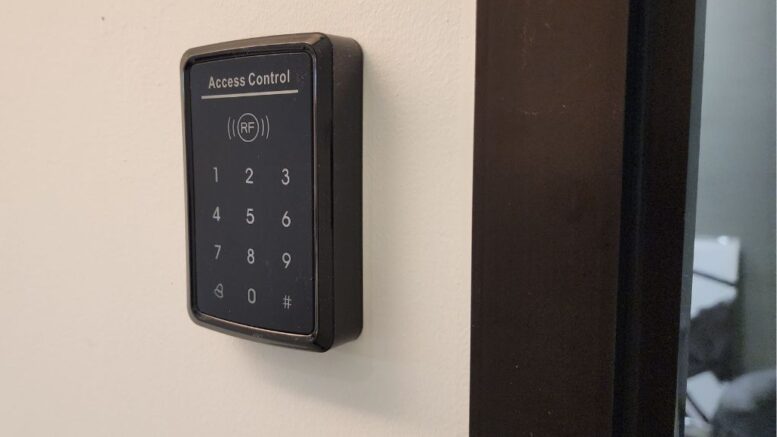
In a dense, highly connected city like Singapore, managing who can enter your premises – and when – is no longer just a matter of handing out keys. Organisations deal with rotating staff, contractors, visitors, delivery partners and service providers every single day. At the same time, there is growing pressure to strengthen security, protect sensitive areas, comply with regulations and support hybrid work patterns.
A modern access control system in Singapore answers these challenges by replacing physical keys with smart, centralised control over doors, gates, turnstiles and barriers. Instead of guessing who came in and at what time, you gain an auditable, real-time view of access events across your building or site.
Our door access solutions are designed specifically for this environment. To learn more about our hardware and software options, you can visit:
https://smartouch.com.sg/door-access-control-system/
What Is an Access Control System?
At its core, an access control system is a combination of hardware and software that decides:
- Who is allowed to enter (and sometimes exit)
- Where they can go – which doors, gates or areas
- When they are allowed access – which dates, time ranges or shifts
Instead of traditional metal keys, users present a credential such as:
- RFID or MIFARE cards and tags
- PIN codes on a keypad
- Biometrics like fingerprint or face recognition
- Mobile credentials via smartphone or QR code
The system checks this credential against its database and, if authorised, unlocks the door or activates the turnstile. At the same time, it logs the event for reporting and audits.
A well-designed access control system in Singapore does much more than open doors. It can:
- Integrate with CCTV and alarm systems
- Connect to time attendance and payroll
- Link with visitor management systems
- Control lift access, car park barriers and gantries
- Provide dashboards and reports for security and management teams
Why Access Control Systems Matter in Singapore
1. Higher expectations for security and compliance
Singapore enjoys a reputation for safety, yet organisations still face common risks:
- Unauthorised access to offices, plant rooms or data centres
- Theft or tampering with equipment and inventory
- Tailgating through unsecured doors
- Difficulty tracing who was present during an incident
With a networked access control system, each entry and exit can be tied to an identifiable user, time-stamped and stored centrally. This supports internal policies, industry regulations and insurance requirements, and provides clear evidence for investigations when something goes wrong.
2. Complex buildings and multi-tenant environments
From business parks and mixed-use developments to dormitories and campuses, many Singapore buildings host multiple tenants and user groups. Managing physical keys in such environments is inefficient and risky:
- Keys are easily duplicated or lost
- Changing tenants requires re-keying multiple doors
- Temporary contractors often share keys informally
With a central access control platform, you can:
- Assign permissions by tenant, department or user role
- Instantly revoke access when someone leaves
- Issue temporary credentials for visitors or contractors
- Adjust access rights without changing hardware
This is especially valuable for landlords, dormitory operators, serviced offices and co-working spaces.
3. Supporting hybrid work and flexible operations
Hybrid work, variable shifts and field teams have become common. A modern access control system in Singapore aligns with this reality by:
- Allowing schedules that reflect flexible start/end times or rotating shifts
- Granting limited-time access to hot-desking areas or project rooms
- Providing audit trails for who entered sensitive zones outside normal hours
Instead of a one-size-fits-all approach, you can configure access profiles that reflect how your teams actually work.
4. Reducing manual workload and human error
Traditional practices – such as keeping manual logbooks or distributing keys – quickly become unmanageable. With a digital access control system:
- Access is granted or revoked centrally
- Reports are generated automatically
- Guard and reception workload is reduced
- The chance of human error or oversight is minimized
Over time, this frees your security and facilities teams to focus on higher-value tasks like incident prevention and policy improvement.
Key Components of an Access Control System in Singapore
1. Controllers and Readers
At each door or gate, you typically find:
- Door controllers – electronic units that make the decision to lock or unlock
- Readers – devices that read cards, PINs, fingerprints, face templates or mobile credentials
- Locks and magnetic contacts – electric locks, strike plates, or magnetic locks plus door sensors
For higher-security environments, controllers are installed on the secure side of the door so that tampering with the reader alone cannot grant access.
2. Management Software (On-Premise or Cloud)
Behind the hardware is the access control management software, which allows administrators to:
- Create and manage user profiles
- Define access levels, schedules and zones
- Monitor doors and alarms in real time
- Generate attendance and access reports
In many modern deployments, this software runs on a central server or cloud platform, enabling management of multiple sites from a single interface.
3. Credentials and User Profiles
Each person in the system is assigned one or more credentials:
- A card or tag with a unique ID
- A stored biometric template for fingerprint or face
- A mobile token tied to their smartphone
User profiles may include:
- Name and employee/tenant ID
- Department, company or unit
- Role (staff, contractor, visitor, management)
- Validity period, allowed zones and time schedules
This structured approach ensures that access is granted on a need-to-enter basis rather than “everyone goes everywhere”.
4. Integrations and Additional Modules
A robust access control system in Singapore does not operate in isolation. Common integrations include:
- Time attendance – using the same card or biometric for both access and clocking in/out
- Visitor Management System (VMS) – pre-registering visitors and issuing temporary access codes
- Lift access control – restricting floor buttons based on user profile
- Parking barriers and gantries – linking vehicle access to employee or tenant status
- Biometric Authentication Systems (BAS) – for construction sites and BCA ePSS compliance
This ecosystem approach ensures a consistent security policy at every entry point.
Types of Access Control Technologies
Card and PIN-Based Access
RFID or MIFARE cards remain common due to their affordability and ease of use. Users tap their cards on a reader, sometimes combined with a PIN for higher security. This is suitable for general office buildings, schools and light industrial premises.
Biometric Access – Fingerprint and Facial Recognition
Biometric access uses unique physical traits to verify identity:
- Fingerprint – fast and familiar, suitable for many indoor environments
- Face recognition – increasingly popular for touchless access, especially at gates, lobbies and construction sites
Biometrics reduce the risk of card sharing and loss, making them ideal for high-security areas or where attendance tracking must be precise.
Mobile and QR-Based Access
With smartphone adoption being nearly universal, mobile credentials and QR codes are gaining traction. Users can:
- Authenticate via a mobile app
- Receive temporary QR passes for visitor access
- Use Bluetooth/NFC credentials in place of cards
This reduces card issuance and provides flexible, time-limited access options.
What to Look For in an Access Control System in Singapore
When evaluating solutions, consider the following factors:
1. Scalability and Future-Proofing
- Can the system grow from a few doors to hundreds across multiple buildings?
- Does it support a mix of card, biometric and mobile credentials?
- Is the platform regularly updated and supported locally?
2. Local Support and Compliance
- Is there local technical support for installation, training and maintenance?
- Can the system align with Singapore’s workplace safety and security practices?
- Are data storage and privacy controls in line with your PDPA obligations?
3. Integration Capabilities
- Does it integrate with time attendance, HR, payroll and visitor management?
- Can it connect to existing CCTV, alarm panels and BAS or gantry systems?
- Is there a clear path to link with other solutions such as dormitory or canteen systems if needed?
4. Ease of Use
- Is the management software intuitive for security and HR staff?
- Can administrators quickly add or remove users and adjust access rights?
- Are reports easy to generate for audits, incident reviews and management meetings?
5. Reliability and Security
- Are controllers and devices robust enough for Singapore’s climate and usage patterns?
- Is there backup and fail-safe behaviour in case of network or power issues?
- Are communications encrypted and access rights protected against tampering?
How Our Access Control System in Singapore Supports Your Operations
Our door access control solution is built to address the real-world needs of organisations in Singapore, from SMEs to large multi-site enterprises. Through a mix of card, biometric and integrated control, we help customers:
- Secure office doors, server rooms and storage areas
- Manage turnstiles and gantries at lobbies, factories and dormitories
- Control access to car parks, lifts and restricted zones
- Link door access with time attendance and HR systems
Using the same platform, you can protect day-to-day operations and lay the foundation for more advanced workforce and facility management.
More details of our hardware models and system options can be found at:
https://smartouch.com.sg/door-access-control-system/
Typical Use Cases for Access Control System in Singapore
Corporate Offices and Business Parks
- Card or face-based access for staff at main doors and server rooms
- Lift and floor control for different departments or tenants
- Visitor badges and QR passes linked to meeting invitations
Industrial Facilities and Warehouses
- Controlled access to production lines, hazardous areas and storage zones
- Time attendance integration for shift workers
- Vehicle barrier control and loading bay management
Dormitories and Staff Housing
- Access control at main gates, blocks and levels
- Integration with dormitory management systems for check-in/out
- Tailored access rights for residents, supervisors and service vendors
Educational Institutions and Training Centres
- Restricted access to labs, IT rooms and exam halls
- Controlled entry for external vendors and part-time staff
- Combined student/staff cards for library, printing and door access
Construction Sites and High-Security Environments
- Biometric access at turnstiles and perimeter gates
- Linkage with BAS and ePSS for manpower reporting
- Strong audit trails for safety, incident and compliance management
Implementation Roadmap – From Keys to Smart Access
Moving from conventional keys to a modern access control system in Singapore is a structured journey. A typical roadmap includes:
1. Assessment and Planning
- Review current doors, gates and user groups
- Identify critical areas and pain points (lost keys, tailgating, manual logs)
- Define security policies, access zones and operating schedules
2. System Design
- Select appropriate reader types (card, fingerprint, face, mobile) for each doorway
- Determine controller placement, cabling routes and network requirements
- Plan integration points with time attendance, HR, BAS or visitor systems
3. Installation and Commissioning
- Install readers, locks, controllers, turnstiles and barriers
- Set up the central software, databases and backup routines
- Test device performance and fail-safe behaviour
4. User Onboarding and Policy Rollout
- Enrol staff and contractors with cards or biometrics
- Assign access levels, schedules and temporary permissions
- Train administrators, security officers and front-desk staff
5. Optimisation and Expansion
- Monitor reports to fine-tune access rules and schedules
- Add new doors, buildings or features as your organisation grows
- Review and update policies regularly to address new risks and requirements
Building a Safer, Smarter Environment with Access Control
As organisations digitise their operations and adopt smarter facilities, access control sits at the foundation of physical security. A well-implemented access control system in Singapore does far more than replace keys; it creates a secure, intelligent perimeter and interior structure that supports:
- Protection of people, assets and information
- Efficient, auditable operations for security and HR teams
- Seamless experiences for staff, tenants and visitors
By combining proven hardware with centralised software and integration to your wider systems, we help you move from ad-hoc security measures to a robust, future-ready platform.
To explore how our door access control solutions can be tailored to your building, campus or worksite, you can start here:
https://smartouch.com.sg/door-access-control-system/
Smart Touch technology pte ltd , www.smartouch.com.sg +65-63964767, sales@smartouch.com.sg , www.smartouch.com.my +607-3889903 sales@smartouch.com.my
Be the first to comment on "Access Control System in Singapore – Smart, Secure Entry for a Connected City"