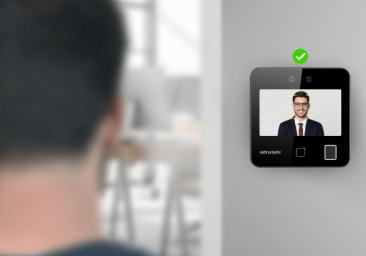
n Singapore’s high-density, always-on environment, controlling who can enter your premises – and when – is a critical part of security, safety and day-to-day operations. Office towers, industrial facilities, schools, dormitories, data centres and mixed-use developments all face the same challenge: you need to let the right people in quickly, keep unauthorised persons out, and have a complete record of every important door event.
Metal keys and manual logbooks can’t deliver that level of control. Keys get copied or lost, there is no easy way to revoke access, and handwritten records are almost impossible to audit. A modern door access control system in Singapore replaces keys with smart credentials and centralised software, giving organisations a secure, traceable way to manage every entry and exit.
Our Door Access Control System is built exactly for this purpose. It combines proximity cards, PINs and biometric options with door controllers and management software designed for multi-door, multi-site operations in Singapore. You can explore the solution here:
https://smartouch.com.sg/door-access-control-system/ smartouch.com.sg
What Is a Door Access Control System in Singapore?
A door access control system is an electronic solution that decides:
- Who is allowed to enter
- Which doors or areas they can access
- When their access is valid (date, day of week, time range, shift)
Instead of using physical keys, users present an electronic credential at a reader:
- Proximity or MIFARE cards / tags
- PIN code via keypad
- Biometric identifiers such as fingerprint or face (depending on device mix)
- In some setups, mobile/QR credentials
The reader sends data to a door controller, which checks the central database. If the person is authorised for that door at that time, the controller triggers the lock to open. At the same instant, the system logs the event, so you know exactly who entered, where and when.smartouch.com.sg+1
A properly designed door access control system in Singapore typically includes:
- Card/biometric readers at each controlled door
- Controllers and power supplies in secure locations
- Electric locks, magnetic locks or strikes
- Door sensors and emergency break-glass units
- Central management software – on-premise or cloud
- Integration with time attendance, visitor management and other systems
Why Singapore Buildings Are Moving Beyond Keys
1. Higher expectations for security and compliance
Singapore’s commercial and industrial properties host valuable equipment, confidential information and critical infrastructure. Relying on keys alone makes it difficult to:
- Prevent unauthorised copying or sharing of keys
- Know who opened a room at a specific time
- Quickly revoke access when staff leave or contractors finish work
With an electronic door access control system:
- Access can be revoked instantly by deactivating cards or profiles
- Every attempt – granted or denied – is time-stamped and logged
- You have clear evidence for investigations, insurance claims and auditssmartouch.com.sg+1
This supports not only internal security policies, but also regulatory and customer requirements for proper physical access control.
2. Complex buildings and multi-tenant environments
Many Singapore properties are multi-tenant or mixed-use: business parks, co-working spaces, condominiums with commercial podiums, integrated industrial buildings and more. Key-based systems struggle in such environments because:
- Re-keying locks when tenants change is expensive and disruptive
- Shared areas (lobbies, car parks, meeting floors) need controlled yet flexible access
- Different tenants require different access rules and schedules
A central door access platform lets you:
- Create tenant-specific access groups and time zones
- Grant or revoke access with a few clicks instead of changing cylinders
- Provide temporary access for contractors and visitors
3. Supporting hybrid work and flexible operations
Hybrid work and flexible hours are now common in Singapore. Some staff come in only on certain days; others access the building early in the morning or late at night. With an electronic system you can:
- Allow flexible schedules while still recording entry and exit times
- Limit access to certain time windows for contractors or part-timers
- Generate reports on after-hours access to sensitive rooms
This keeps your security posture strong while supporting modern ways of working.
4. Reducing manual workload at reception and guardhouses
Reception counters and security posts handle deliveries, visitors, contractors and service vendors in addition to staff. A door access control system in Singapore reduces the load by:
- Automating entry for authorised users via card or biometric
- Integrating with visitor management, so pre-registered visitors can be issued time-limited access easily
- Enabling guards to focus on exceptions and true security events rather than routine door-opening
Key Components of Our Door Access Control System in Singapore
Our solution is designed as a platform, not just a collection of readers. It can start with a few doors and scale up to multi-storey, multi-site deployments.
1. Readers and Credentials
We support a range of reader options so each door can use the most suitable technology:
- Card readers – for proximity cards and tags; simple, proven and cost-effective
- Keypad readers – card + PIN for higher security zones
- Biometric readers – fingerprint or face devices (often shared with time attendance), reducing card-sharing risk
- Hybrid configurations – combining several credential types on the same system
Users can be given one or more credentials depending on their role and security requirements.
2. Door Controllers and Electric Locks
At the heart of the door access control system are the controllers and locking devices:
- Door controllers make the final access decision and drive the lock
- Electric strikes or magnetic locks (EM locks) physically secure the door
- Door contacts monitor door open/close status
- Exit buttons / REX sensors allow safe egress
Controllers are installed on the secure side of the door, so even if someone tampers with a reader, they cannot simply short wires and unlock the door.
3. Central Management Software
The management platform is where administrators define and control everything:
- User profiles and credential assignment
- Access groups, zones and time schedules
- Monitoring of door status and alarms in real time
- Event logs and reports for audits and investigations
From a single console, you can manage multiple buildings or sites, making it easy to scale and maintain consistent policies.
4. Integration with Other Systems
A modern door access control system in Singapore should not operate in isolation. Our platform is designed to integrate with:
- Time attendance systems – using the same card or biometric for both access and HR attendance
- BAS / BCA solutions for construction sites – integrating turnstiles, barriers and manpower tracking
- Visitor Management Systems – issuing temporary cards or QR passes for visitors
- Barrier gates and gantries – synchronising vehicle and pedestrian access
- Canteen and dormitory systems – using one credential across multiple services smartouch.com.sg+1
This ecosystem approach means you build once on a strong core, then add modules as your needs expand.
Typical Use Cases for Door Access Control System in Singapore
Commercial offices and business parks
In office environments, our system typically secures:
- Main entrances and lift lobbies
- Office suites, server rooms and storerooms
- Executive floors and meeting areas
Benefits include:
- Controlled access for staff, tenants and contractors
- Integration with lift access for floor-based permissions
- Audit trails that show who entered high-value rooms and when
Industrial facilities and data centres
For factories, warehouses and data centres, door access control is critical for:
- Restricted production zones and equipment rooms
- Chemical or hazardous material storage
- Data halls and network rooms
Here, we often combine card access with biometrics and multi-factor requirements for the most sensitive areas, plus detailed logs for compliance and customer audits.
Educational institutions and campuses
Schools, institutes and universities use door access control systems to:
- Protect computer labs, exam halls and staff rooms
- Secure hostels and boarding areas
- Control access to research facilities and specialised labs
Access rules can differ for students, staff, vendors and visitors, with time-limited permissions for events and holidays.
Healthcare and life sciences
Hospitals, clinics and laboratories rely on tight access control to:
- Protect drug stores and pharmacies
- Safeguard patient records and diagnostic rooms
- Limit access to biohazard and cleanroom environments
Event logs and integration with CCTV and alarm systems support investigations and regulatory compliance.
Dormitories and staff housing
For dormitories and staff accommodation, door access control systems help:
- Ensure only registered residents can enter blocks and floors
- Integrate with dormitory management for check-in/check-out status
- Provide clear records of entry/exit during safety drills or emergencies
How a Door Access Control System in Singapore Works Day-to-Day
To illustrate how the system fits into operations, imagine a typical workflow in an office or industrial site:
- User onboarding
- HR creates a new employee record.
- Access control admin assigns a card and/or biometric profile and adds the user to appropriate access groups (e.g. office doors, level 12, warehouse).
- Daily access
- Employee presents their card or face at the reader.
- Controller checks if the credential is valid for that door and time.
- If authorised, lock releases and the event is logged.
- Monitoring and response
- Security sees real-time door status and alarms (e.g. door forced open, door held open too long) on the dashboard.
- Suspicious activity (repeated denied attempts, after-hours access) can be reviewed and escalated.
- User changes or off-boarding
- When someone transfers department, their access group is updated.
- When they leave the company, their credential is disabled immediately, preventing further access.
- Reporting and audits
- HR and management can request reports showing access to specific areas or users over a selected period.
- Data can support internal investigations, compliance audits or security reviews.
This process replaces ad-hoc key handovers with a structured, auditable system.
Benefits of Our Door Access Control System in Singapore
For security and facility teams
- Centralised control of all controlled doors
- Faster response to alarms and incidents
- Clear visibility of who is accessing which areas
- Reduced reliance on physical keys and re-keying
For HR and management
- Integration with attendance and workforce systems
- Better insight into after-hours activity and facility usage
- Stronger compliance posture for audits and client requirements
For tenants and employees
- Convenient access using cards or biometrics
- Less hassle with lost keys and manual escorts
- Greater peace of mind in a well-controlled environment
Our Implementation Approach in Singapore
Deploying a door access control system in Singapore is both a technical and operational project. Our approach is structured to minimise disruption and maximise long-term value:
- Requirement study and site survey
- Review doors, gates, lift lobbies and sensitive areas.
- Understand user groups, working hours and risk levels.
- System design
- Select suitable reader types (card, keypad, biometric) for each location.
- Plan controller placement, cabling routes and power backup.
- Define access groups, time schedules and integration points (attendance, visitor management, BAS, etc.).
- Installation and configuration
- Install readers, locks, controllers and sensors.
- Configure the central software, user roles and access rules.
- Integrate with existing systems where required.
- User onboarding and training
- Enrol users and migrate existing access data where needed.
- Train security, facility and HR admins, as well as reception or guardhouse staff.
- Testing, go-live and optimisation
- Run controlled tests to validate fail-safe behaviour and emergency procedures.
- Go live in phases if necessary (e.g. by floor or building).
- Fine-tune rules as real-world usage data comes in.
Over time, additional doors, buildings and subsystems can be added without rebuilding from scratch, thanks to the underlying platform approach.smartouch.com.sg+1
Build a Strong Security Foundation with Door Access Control System in Singapore
Physical access control is the foundation on which the rest of your security posture is built. Without reliable control at doors and gates, it becomes much harder to protect people, assets and information – no matter how strong your digital security may be.
A modern door access control system in Singapore gives you:
- Centralised, flexible control over who can enter where and when
- Automated, auditable records of all important access events
- Integration with time attendance, visitor, dormitory, canteen, BAS and security systems
- A scalable platform that grows with your organisation and facilities
To explore how our Door Access Control System can be tailored for your office, plant, campus, dormitory or mixed-use development in Singapore, please visit:
https://smartouch.com.sg/door-access-control-system/
Smart Touch technology pte ltd , www.smartouch.com.sg +65-63964767, sales@smartouch.com.sg , www.smartouch.com.my +607-3889903 sales@smartouch.com.my
Be the first to comment on "Door Access Control System in Singapore – Smarter Security or Modern Buildings"