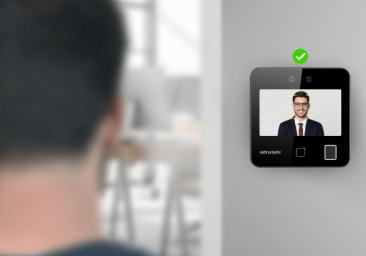
Security expectations are changing rapidly. Traditional card-based and PIN-based systems are no longer enough on their own in a world that demands stronger security, better user experience and minimal physical contact. Organisations, buildings, campuses and critical facilities are looking for smarter ways to control access to doors, lifts, turnstiles and restricted areas.
A facial recognition access control system delivers exactly that. By using advanced biometric technology, it identifies and authenticates people based on their unique facial features, providing fast, touchless and highly secure entry. When integrated with a reliable access platform, facial recognition can significantly enhance workplace safety, visitor management and overall security posture.
To learn more about how facial recognition can be integrated into a comprehensive door access solution, please visit:
https://smartouch.com.sg/door-access-control-system/
What Is a Facial Recognition Access Control System?
A facial recognition access control system is an electronic security solution that uses camera-based terminals and AI algorithms to:
- Capture and analyse a person’s face
- Match it against a stored template in the database
- Grant or deny access based on predefined rules and permissions
Instead of tapping a card or entering a PIN, authorised users simply present their face to the device. The system verifies identity within seconds and, if approved, unlocks the door, gate or turnstile.
Typically, a complete system includes:
- Facial recognition readers / terminals mounted at doors, turnstiles or lift lobbies
- Door controllers and electric locks connected to each entry point
- Central management software for enrolment, permission setup, audit trails and reporting
- Integration with existing systems such as time attendance, lift control, visitor management and alarm systems
When properly designed, this becomes a seamless, touchless security layer that works across the entire facility.
For an overview of integrated door access solutions that can incorporate facial recognition, please refer to:
https://smartouch.com.sg/door-access-control-system/
Why Organisations Are Moving to Facial Recognition Access Control
1. Touchless and Hygienic Access
In modern environments, minimising physical contact with shared surfaces is a clear priority. Card readers, keypads and biometric fingerprint scanners all require some degree of touch.
With a facial recognition access control system:
- Users do not need to tap a card or touch any surface
- Entry is granted simply by facing the terminal
- Hygiene is improved, especially in high-traffic locations such as lobbies, canteens and washroom entrances
This touchless nature is particularly valuable for:
- Offices with large daily staff movements
- Schools and campuses with high student flow
- Healthcare facilities and clean environments
- Industrial sites where workers may wear gloves or handle materials
2. Enhanced Security and Reduced Tailgating
Cards and PIN codes can be lost, stolen or shared. Facial biometrics are much harder to duplicate or misuse. With facial recognition:
- Identity is linked to the individual, not just a physical token
- Cards cannot be passed from one person to another for unauthorised entry
- Attempts at impersonation can be flagged by the system
When combined with turnstiles, speed gates or doors with anti-passback, a facial recognition access control system significantly reduces tailgating and unauthorised access, strengthening the overall security perimeter.
3. Convenience and Speed for Users
A well-configured facial recognition device typically authenticates users within seconds. This offers:
- Faster flow through entry points
- Reduced queuing at start and end of shifts
- Greater convenience for authorised staff and residents
Users do not have to worry about forgotten cards or passwords. As long as their face is enrolled and valid, they can access authorised locations efficiently.
4. Lower Long-Term Card Management Costs
Physical cards and tokens incur direct and indirect costs:
- Card printing and replacement
- Time spent issuing, collecting and tracking cards
- Risk of cards not being returned by former staff or tenants
By using a facial recognition access control system, organisations can:
- Reduce reliance on physical cards, or use them only as a backup
- Simplify processes for new staff, visitors or contractors
- Minimise card-related losses and replacement costs
Over time, this results in a more streamlined access management process.
How a Facial Recognition Access Control System Works
1. Enrolment
The first step is enrolling each user in the system:
- A clear facial image is captured via camera or facial recognition terminal
- The system converts the image into a secure, mathematical template (not a simple photo)
- The template is stored in the central database, linked to the user profile and access rights
Enrolment can be done at a central station, reception desk or designated self-service kiosk, depending on the organisation’s policy.
2. Access Rules and Permissions
Administrators configure:
- Which doors or zones each user can access
- Time schedules (office hours, shift patterns, weekend rules)
- Special access levels for management or sensitive areas
These rules define how the facial recognition access control system responds when a user presents their face at different terminals.
3. Real-Time Identification and Verification
At the door terminal:
- The camera detects the presence of a face.
- The device captures a live image and processes it into a template.
- The template is compared with the stored database.
- If a matching authorised profile is found and the time/zone rules are satisfied, the door is released.
- If not, access is denied and the event is logged for review.
This entire process happens in seconds, ensuring smooth movement without compromising security.
4. Logging, Monitoring and Reporting
Every access attempt – successful or denied – is:
- Time-stamped
- Linked to the user profile
- Associated with a specific door or location
Through the central software, security or administrators can:
- Monitor live access events
- Review logs for investigations or audits
- Generate reports by user, department, location or time period
For integrated door access and centralised management capabilities, refer to:
https://smartouch.com.sg/door-access-control-system/
Key Features of a Modern Facial Recognition Access Control System
1. High-Accuracy Facial Recognition
Modern devices use deep learning algorithms that can:
- Recognise users under different lighting conditions
- Handle changes such as hairstyle, glasses or facial hair
- Maintain high accuracy while processing large user databases
This precision is important for environments where both security and throughput are critical.
2. Anti-Spoofing and Liveness Detection
A robust system includes anti-spoofing mechanisms to prevent:
- Use of printed photos
- Display of images on mobile screens
- Simple video replay attacks
Liveness detection checks for real, three-dimensional human faces, enhancing security against attempted fraud.
3. Multi-Factor and Multi-Mode Options
While facial recognition is powerful, some environments may require multiple factors for sensitive areas. A comprehensive solution can support:
- Face + card
- Face + PIN
- Face + QR code (for visitors or temporary users)
This flexible configuration lets organisations implement different security levels for different zones.
4. Integration with Time Attendance and Other Systems
A facial recognition access control system can do more than unlock doors. When integrated with a broader access platform, it can:
- Feed verified clock-in / clock-out data into time attendance modules
- Control lift access to specific floors based on facial recognition
- Interact with visitor management systems for pre-registered visitors
- Trigger alarms or notifications upon unauthorised attempts
An integrated approach minimises data duplication and improves overall security and facility management.
Typical Applications of Facial Recognition Access Control
Corporate Offices and Business Parks
- Secure entrances, server rooms, executive floors and meeting areas
- Reduce card sharing and enhance visitor handling
- Provide quick, convenient entry for staff and long-term contractors
Residential and Mixed-Use Developments
- Control access to lobbies, lift lobbies, carpark entrances and facilities
- Provide residents with convenient, card-free entry
- Combine with visitor and delivery access policies for better control
Factories, Warehouses and Industrial Sites
- Manage multiple shift workers across various entry points
- Secure restricted zones such as production lines, labs or storage rooms
- Integrate with time attendance to track working hours accurately
Schools, Universities and Training Centres
- Protect staff rooms, exam halls, labs and hostels
- Manage student access without relying solely on cards
- Enhance campus safety with better identity verification
Healthcare and Critical Environments
- Protect sensitive areas such as pharmacies, labs and records rooms
- Reduce contact with shared keypads and fingerprint scanners
- Improve traceability of staff movements for compliance and investigations
Benefits for Different Stakeholders
For Management
- Stronger overall security posture
- Clear audit trail of who accessed which area and when
- Reduced risk of breaches due to lost cards or shared PINs
- More professional, modern image for staff and visitors
For Security Teams
- Real-time monitoring of access events
- Faster investigations with detailed logs and reports
- Less reliance on physical key management and manual checks
- Simplified onboarding and offboarding of staff and contractors
For IT and Administrators
- Centralised management of users, profiles and permissions
- Easy integration with existing door access, attendance and HR systems
- Scalable architecture that can support multiple sites and thousands of users
For End Users
- Convenient, card-free, touchless entry
- No need to remember passwords or worry about lost cards
- Faster access to workplaces, facilities and restricted areas
Implementing a Facial Recognition Access Control System
1. Requirement Study and Site Assessment
We begin by working with your team to understand:
- Types of buildings and doors to be secured
- Number of users and expected growth
- Security levels for different zones
- Existing access control and IT infrastructure
This helps define the right mix of facial recognition terminals, controllers, locks and software configuration.
2. System Design and Integration
Based on the assessment, we design:
- Terminal placement at entrances, turnstiles or lift lobbies
- Network and controller layout for reliable communication
- Integration touchpoints with existing door access, time attendance, lift control or visitor systems
Our goal is to ensure that facial recognition becomes a seamless extension of your existing door access control system.
(Details on door access integration can be found at: https://smartouch.com.sg/door-access-control-system/)
3. Deployment, Enrolment and Testing
During deployment, we:
- Install and configure facial recognition terminals and controllers
- Set up central software, user groups and access rules
- Conduct enrolment sessions for staff and key users
- Test the system thoroughly under real-world conditions
This ensures stable, reliable performance before full go-live.
4. Training, Support and Continuous Improvement
We provide training for:
- Administrators and security staff on configuration and reporting
- Reception or HR personnel on enrolment and user management
After go-live, we continue to support with:
- Technical assistance and troubleshooting
- Software updates and security enhancements
- Advice on expanding the system to new doors, sites or integrated functions
Build a Smarter, Safer Access Environment with Facial Recognition
A facial recognition access control system is more than a new gadget. It is a strategic upgrade that:
- Enhances security by tying access directly to a person’s biometric identity
- Improves hygiene with fully touchless entry
- Simplifies access management for administrators and users
- Integrates with broader door access, time attendance and facility systems
By combining strong biometrics with a robust door access platform, organisations can create a modern security environment that is both safer and more convenient.
To explore how facial recognition can be integrated into your access control strategy, please visit:
https://smartouch.com.sg/door-access-control-system/
or contact us for a detailed consultation and system demonstration.
Smart Touch technology pte ltd , www.smartouch.com.sg +65-63964767, sales@smartouch.com.sg , www.smartouch.com.my +607-3889903 sales@smartouch.com.my
Be the first to comment on "Facial Recognition Access Control System – The Next Generation of Secure, Touchless Entry"