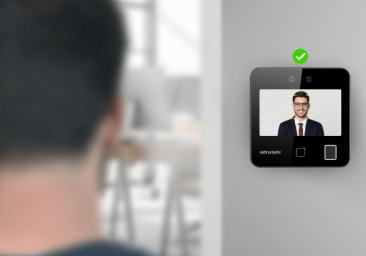
In today’s fast-evolving business landscape, security and operational efficiency are no longer separate functions. Modern enterprises demand intelligent ecosystems where physical access control and human resource management operate as a unified system. Access control integrated with an HR system represents a transformative approach that enhances security, streamlines administration, and delivers measurable operational value.
Our comprehensive solution, inspired by industry-leading innovations such as those presented by Smart Touch technology pte ltd, demonstrates how seamless integration between door access systems and HR platforms can redefine workplace management for organizations of all sizes.
Understanding Access Control Integration with HR Systems
Access control integration with HR systems refers to the synchronization of employee data between a company’s HR database and its door access control infrastructure. When an employee joins, changes roles, transfers departments, or exits the organization, their physical access permissions are automatically updated without manual intervention.
This integration ensures:
- Real-time synchronization of employee status
- Automatic activation and deactivation of access rights
- Centralized data management
- Reduced administrative workload
- Improved compliance and audit readiness
Instead of managing two separate databases — one for HR and another for security — organizations benefit from a single source of truth that drives intelligent access decisions.
How the Integrated System Works
The integration operates through secure API connections or middleware platforms that synchronize employee records between the HR system and the access control management software.
Step 1: Employee Data Entry
When HR inputs new employee information — such as name, employee ID, department, designation, and employment status — this data becomes the foundation for access authorization.
Step 2: Role-Based Access Assignment
Predefined access rules are linked to roles or departments. For example:
- Finance staff: Access to finance office and server room
- IT team: Access to data center and technical areas
- General staff: Access to common areas
The system automatically assigns door permissions based on these predefined policies.
Step 3: Real-Time Synchronization
Any update made in the HR system — promotions, transfers, contract expiry, or resignation — instantly updates access permissions. No manual reprogramming is required.
Step 4: Deactivation and Security Protection
When an employee leaves the company, their access rights are revoked immediately. This eliminates the risk of unauthorized entry due to oversight or delay.
Key Benefits of HR-Integrated Access Control
1. Enhanced Security
Security risks often arise from delayed deactivation of access credentials. Automated integration ensures that only active employees retain access privileges. Temporary staff, contractors, and resigned employees are automatically removed from the system.
2. Improved Operational Efficiency
Manual entry into multiple systems is time-consuming and prone to error. Integration reduces repetitive administrative tasks, allowing HR and security teams to focus on strategic functions rather than routine data management.
3. Centralized Management
A unified system creates a centralized dashboard where administrators can:
- Monitor access logs
- Track employee movements
- Generate attendance reports
- Review audit trails
This consolidation improves visibility and reduces system fragmentation.
4. Accurate Attendance and Workforce Tracking
Integrated systems can align door access logs with attendance records. Entry and exit times are automatically captured, improving payroll accuracy and eliminating disputes related to manual attendance recording.
5. Regulatory Compliance
For industries such as healthcare, finance, manufacturing, and data centers, compliance is critical. Integration provides reliable audit trails, ensuring organizations can demonstrate strict access control protocols when required.
Core Components of an Integrated Access Control System
A robust HR-integrated access control solution typically includes:
Access Control Hardware
- Biometric fingerprint readers
- Facial recognition terminals
- RFID card readers
- Turnstile systems
- Electromagnetic door locks
Access Management Software
The software acts as the command center, managing credentials, permissions, and event logs.
HR System Interface
This can be:
- On-premise HR software
- Cloud-based HR platforms
- ERP systems with HR modules
Middleware or API Integration Layer
This layer ensures secure communication between the HR database and access control software.
Use Cases Across Industries
Corporate Offices
Organizations with multiple departments benefit from automated permission control, especially when staff frequently transfer roles or locations.
Manufacturing Facilities
Restricted areas such as production floors, warehouses, and hazardous zones require strict access segmentation. HR-integrated systems prevent unauthorized entry and improve safety compliance.
Educational Institutions
Universities and training centers manage large volumes of staff and contract personnel. Automated access updates reduce administrative burden and improve campus security.
Healthcare Facilities
Hospitals must restrict access to laboratories, pharmacies, and sensitive records. Integration ensures only authorized medical professionals enter controlled areas.
Cloud-Based vs On-Premise Integration
Modern organizations may choose between cloud-based and on-premise deployment models.
Cloud-Based Integration
- Remote management
- Scalability across multiple branches
- Automatic updates
- Lower infrastructure costs
On-Premise Deployment
- Full internal control
- Enhanced data isolation
- Suitable for high-security environments
Both models can support HR integration, depending on organizational requirements and IT infrastructure.
Data Security and Privacy Considerations
When integrating HR and access control systems, data protection must be prioritized. Sensitive employee information — including identification numbers and biometric data — must be secured through:
- Encrypted data transmission
- Secure authentication protocols
- Role-based administrative access
- Regular system audits
Compliance with data protection regulations is essential to maintain employee trust and avoid legal risks.
Implementation Strategy for Successful Integration
1. Assess Organizational Needs
Identify:
- Number of users
- Access levels required
- Multi-site operations
- Future scalability requirements
2. Define Access Policies
Establish clear role-based access structures aligned with HR classifications.
3. Select Compatible Systems
Ensure the access control platform supports API integration with your existing HR software.
4. Pilot Testing
Deploy in a limited environment to test synchronization accuracy and permission logic.
5. Full Deployment and Training
Train HR and IT personnel to manage the integrated ecosystem efficiently.
Future Trends in HR-Integrated Access Control
Technology continues to evolve, bringing intelligent features such as:
- AI-powered behavioral monitoring
- Mobile credential access via smartphones
- Contactless facial recognition
- Real-time occupancy analytics
- Integration with visitor management systems
As businesses embrace smart building technologies, access control will increasingly function as part of a larger digital transformation strategy.
Why Integrated Access Control Is a Strategic Investment
Access control integrated with HR systems is not merely a security upgrade — it is a strategic infrastructure decision. Organizations that adopt integrated systems gain:
- Stronger risk mitigation
- Improved administrative productivity
- Accurate workforce data
- Enhanced operational transparency
- Scalable growth capability
By eliminating data silos and automating access management, companies position themselves for sustainable operational excellence.
Conclusion
In an era where security, efficiency, and compliance intersect, integrating access control with HR systems is no longer optional — it is essential. Businesses that invest in intelligent integration solutions create safer environments, streamline administrative processes, and unlock valuable workforce insights.
As technology advances, organizations that embrace integrated access ecosystems will lead the way in secure, data-driven operations. With professional solutions tailored to modern enterprises, the future of access control lies in seamless HR integration.
Smart Touch technology pte ltd , www.smartouch.com.sg +65-63964767, sales@smartouch.com.sg , www.smartouch.com.my +607-3889903 sales@smartouch.com.my