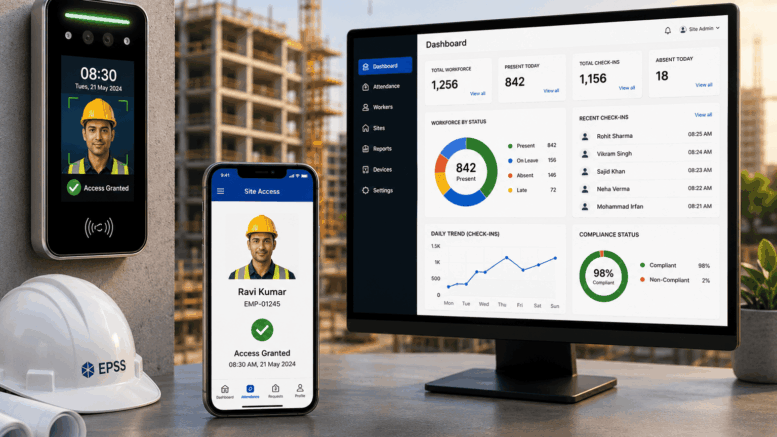
Enterprise building owners and facility managers in Singapore are under growing pressure to run secure, well-documented, and compliant premises. A BCA EPSS system brings building automation and enterprise security together into a single platform, helping property teams meet regulatory expectations while giving security staff the tools they need to manage access, incidents, and daily operations from one dashboard.
What Is a BCA EPSS System?
A BCA EPSS system is an enterprise-grade building automation and security platform designed for commercial, industrial, and mixed-use developments. It combines access control, surveillance integration, and estate management functions with reporting features that support the documentation many Singapore building owners are expected to maintain for regulatory and insurance purposes.
Rather than running separate tools for access control, visitor logs, and building automation, an EPSS-based approach consolidates these functions. This reduces the administrative load on facility teams and gives management a clearer, real-time view of what is happening across a property.
Why Enterprises Choose an Integrated Approach
Large commercial buildings often have multiple stakeholders: landlords, tenants, security contractors, and maintenance vendors. Without a shared system, each group tends to keep its own records, which makes it difficult to get a consistent picture of building activity. An integrated BCA EPSS system solves this by giving every authorised stakeholder access to the same underlying data, filtered according to their role.
Supporting Multi-Building Portfolios
For organisations managing several properties, a consistent EPSS deployment across each site makes it far easier to compare performance, standardise reporting formats, and train new facility staff. Rather than learning a different system at every building, teams can apply the same workflows across a whole portfolio, which shortens onboarding time and reduces the chance of configuration errors between sites.
Core Components of an Enterprise-Ready BCA EPSS System
A well-designed system typically brings together several building and security functions under one platform.
Access Control and Identity Management
Enterprise access control lets administrators assign, adjust, and revoke access rights across multiple doors, floors, and buildings from a central console. This is particularly useful for large tenancies with frequent staff turnover or contractors who need temporary access.
Building Automation Integration
Linking security with building automation allows lighting, HVAC, and lift access to respond automatically to occupancy and access events. For example, floor lighting can activate only when an authorised badge is used, supporting both security and energy efficiency goals.
Centralised Reporting and Audit Trails
Every access event, visitor entry, and system change is logged automatically. This creates a searchable audit trail that facility managers can use for internal reviews, incident investigations, or when responding to requests from building owners or regulatory bodies.
Key Benefits of a BCA EPSS System
| Benefit | Impact on Operations |
|---|---|
| Centralised access management | One dashboard for all doors, floors, and tenant zones |
| Automated audit trails | Reduces manual record-keeping and supports compliance reviews |
| Building automation integration | Improves energy efficiency alongside security |
| Scalable architecture | Supports single buildings or multi-site portfolios |
| Role-based access for stakeholders | Landlords, tenants, and contractors each see only what is relevant to them |
Best Practices for Implementing an Enterprise BCA EPSS System
Rolling out a system of this scale works best when it follows a clear, phased plan rather than a single large deployment.
Step-by-Step Implementation
- Assess current infrastructure: Review existing access control, CCTV, and building automation systems to identify what can be integrated versus replaced.
- Define stakeholder roles: Map out which teams need visibility into which parts of the system before configuration begins.
- Pilot on a single floor or zone: Test the integration on a smaller scale to confirm reliability before a building-wide rollout.
- Train facility and security staff: Ensure day-to-day operators are comfortable with the dashboard, alerts, and reporting tools.
- Review and refine: Use the first few months of data to adjust access rules, automation triggers, and reporting formats.
Feature Comparison: Traditional Systems vs BCA EPSS
| Feature | Traditional Standalone Systems | BCA EPSS System |
|---|---|---|
| Access control | Managed separately per system | Centralised across the building |
| Reporting | Manual compilation from multiple logs | Automated, consolidated reports |
| Building automation | Not linked to security events | Integrated with access and occupancy data |
| Scalability | Limited, often requires new systems per site | Designed for multi-site enterprise use |
Key Takeaways
- A BCA EPSS system unifies access control, building automation, and reporting into one enterprise platform.
- Centralised audit trails reduce the manual work involved in compliance documentation.
- Phased implementation, starting with a pilot zone, lowers the risk of disruption during rollout.
- Role-based access keeps landlords, tenants, and contractors each working with the information relevant to them.
Frequently Asked Questions
What size of building benefits most from a BCA EPSS system?
Larger commercial or mixed-use buildings with multiple tenants, frequent visitor traffic, or several access points see the most benefit, since manual coordination becomes harder to manage as scale increases.
Can an EPSS system integrate with existing CCTV and access control hardware?
In most cases, yes. Many enterprise platforms are designed to work alongside existing hardware, though the exact level of integration depends on the age and type of equipment already installed.
Does implementing this system require a full building shutdown?
No. A phased rollout, starting with a pilot floor or zone, allows normal building operations to continue while the system is tested and refined.
How does building automation integration improve security?
When lighting, lifts, and HVAC respond to verified access events, unauthorised movement becomes easier to spot, and energy is not wasted on unoccupied areas.
Who typically manages the system day to day?
Facility management teams usually handle daily operations, while building owners and security contractors retain oversight access for reporting and audits.
Conclusion
A BCA EPSS system gives enterprise building owners in Singapore a practical way to bring security and building automation together under one roof. By centralising access control, automating audit trails, and supporting phased rollouts, facility teams can reduce administrative overhead while giving every stakeholder a clearer view of building activity. For property portfolios looking to modernise their security and compliance posture, an integrated BCA EPSS approach offers a scalable path forward.
For a complete breakdown of features and modules, visit our product page here: https://smartouch.com.sg/bca-bas-epss-solution/
Smart Touch technology pte ltd , www.smartouch.com.sg +65-63964767, sales@smartouch.com.sg , www.smartouch.com.my +607-3889903 sales@smartouch.com.my