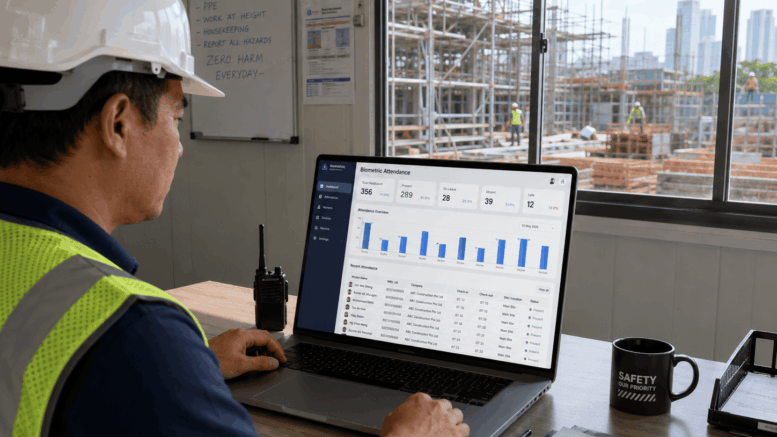
BAS software for large-scale construction projects is becoming an essential investment for Singapore organisations that want stronger control, clearer data and more reliable daily operations. As projects and workplaces grow more complex, manual processes create delays, inconsistent records and avoidable risks. A purpose-built digital solution helps teams work faster while maintaining the visibility decision-makers need.
This guide explains how enterprise-grade Building Automation System (BAS) software supports modern organisations, the key capabilities to evaluate, practical implementation steps and the business benefits that can be achieved. It is designed for managers, contractors, facility teams and business owners seeking a scalable system that is straightforward to operate.
Why BAS software for large-scale construction projects Matters in Singapore
Singapore businesses operate in a demanding environment where efficiency, accountability and compliance are closely connected. Teams need accurate information at the right time, whether they are coordinating a large project, managing people, protecting a site or improving customer service. Paper forms and disconnected spreadsheets rarely provide the speed or confidence required.
A centralised platform creates one reliable source of information. Authorised users can review activities, identify exceptions and respond before a small issue becomes expensive. It also reduces repetitive administration, allowing employees to focus on work that contributes directly to project delivery and service quality.
Common operational challenges
- Information is stored across separate files, devices or departments.
- Manual entry increases the risk of missing, duplicated or inaccurate records.
- Supervisors receive updates too late to make timely decisions.
- Growing operations become harder to standardise across sites.
- Audit preparation takes longer because evidence is difficult to retrieve.
enterprise-grade Building Automation System (BAS) software addresses these issues by combining structured workflows, automated records and practical reporting. The result is not simply a new piece of software; it is a more consistent way to run an important business process.
Core Features of enterprise-grade Building Automation System (BAS) software
Centralised management
A unified dashboard gives managers a clear view of relevant activities without switching between multiple tools. User permissions can be assigned according to responsibilities, so each person sees the information needed for their role. Central management also makes it easier to apply common procedures across departments, buildings or project locations.
Automation and real-time visibility
Automation removes many routine steps that slow teams down. Events can be captured as they happen, records can be organised consistently and alerts can highlight items requiring attention. Real-time visibility helps supervisors make decisions based on current conditions instead of waiting for a weekly report.
Reporting and traceability
Good reporting turns operational data into useful management information. Searchable histories, summaries and exports help teams review performance, investigate exceptions and prepare supporting evidence. Clear traceability also strengthens accountability because authorised users can understand what occurred, when it occurred and which action followed.
| Capability | Business value | Practical outcome |
|---|---|---|
| Central dashboard | Better visibility | Faster, more informed decisions |
| Automated records | Less manual work | Improved accuracy and productivity |
| Role-based access | Controlled information use | Stronger governance |
| Reports and audit history | Clear evidence | Simpler reviews and compliance work |
| Scalable configuration | Support for growth | Consistent processes across locations |
Key Benefits for Organisations
Higher productivity
Employees spend less time copying data, checking paper records or asking colleagues for updates. Standard workflows guide users through the process, while automated capture reduces unnecessary administration. These small time savings accumulate across a team and can make a meaningful difference to operating costs.
More accurate and dependable records
Consistent digital records reduce ambiguity and improve confidence in reports. Managers can compare activity over time, detect unusual patterns and address gaps early. Reliable information is especially valuable when multiple stakeholders need to collaborate or when management must demonstrate that required procedures were followed.
Improved control and risk management
Permissions, alerts and traceable actions support stronger control. Organisations can limit access to authorised users and establish clear responsibilities. The system does not replace good policies, but it helps teams apply those policies consistently and provides evidence for internal reviews.
A better experience for users
Technology delivers the greatest value when people can use it confidently. A clear interface and simple daily workflow reduce training time and resistance to change. Mobile-friendly access, where relevant, also helps employees complete tasks at the point of activity instead of returning to a desk later.
How to Select the Right BAS software for large-scale construction projects
Choosing a solution should begin with business needs rather than a long feature checklist. Map the current workflow, identify recurring problems and decide what a successful outcome looks like. Then assess how well each option supports those priorities.
- Define the scope. List the sites, teams, users and processes that the system must support.
- Prioritise essential workflows. Separate must-have capabilities from optional features.
- Review integration needs. Consider existing hardware, software, identity records and reporting requirements.
- Assess security and access controls. Confirm that permissions and record handling fit organisational policies.
- Plan for future growth. Select a platform that can expand without forcing a complete replacement.
- Evaluate local support. Responsive implementation and after-sales assistance can be as important as the software itself.
Questions to ask a solution provider
- Can the system be configured for our present workflow and future expansion?
- What training is provided for administrators and everyday users?
- How are data access, backups and system updates managed?
- Can reports be tailored to management and operational needs?
- What support is available after deployment?
Implementation Best Practices
A successful deployment depends on preparation, communication and measured improvement. Start with clearly assigned ownership. One internal coordinator should work with the solution provider, confirm requirements and keep stakeholders informed.
Step 1: Document the existing process
Record how work is currently completed, where delays occur and which information managers need. This baseline prevents the project from reproducing inefficient steps in a digital form.
Step 2: Configure and test
Set up user roles, workflows, notifications and reports. Test realistic scenarios with a small group of users, including exceptions rather than only ideal cases. Resolve confusing steps before the wider launch.
Step 3: Train users by role
Administrators, supervisors and daily users require different guidance. Short role-based sessions are usually more effective than one broad presentation. Provide a simple reference for common tasks and identify where users can get help.
Step 4: Launch in phases
For larger organisations, a pilot site or department can reduce risk. Lessons from the pilot can improve the configuration and training plan before expansion. Monitor adoption closely during the first few weeks.
Step 5: Review measurable results
Compare outcomes with the original baseline. Useful measures may include processing time, record accuracy, exception rates, response speed and administrative hours saved. Regular reviews ensure the system continues to support changing business needs.
Long-Term Value and Scalability
The strongest return comes from a platform that remains useful as the organisation evolves. New locations, higher transaction volumes and changing management requirements should be accommodated through configuration rather than disruptive replacement. Scalable technology protects the initial investment and supports consistent standards during growth.
Long-term value also depends on data quality. Organisations should periodically review user access, reporting needs and operating procedures. Removing outdated accounts, refining alerts and updating training keeps the system aligned with real-world operations.
Frequently Asked Questions
What is BAS software for large-scale construction projects?
It is a digital solution that organises and automates key activities related to monitoring and controlling building systems. It provides structured records, visibility and reporting so organisations can manage the process more efficiently.
Is the system suitable for small and large organisations?
Yes. A scalable configuration can support a focused single-site deployment as well as multiple teams and locations. The correct setup depends on user numbers, workflow complexity and integration requirements.
How long does implementation take?
The timeline varies with scope, configuration, hardware and data preparation. Clear requirements and an engaged internal project owner usually make deployment faster and smoother.
Can it work with existing systems?
Integration possibilities depend on the existing platforms and required data exchange. These requirements should be reviewed early so the provider can recommend a practical architecture.
Why choose a Singapore-based solution provider?
Local experience can improve requirement discovery, deployment coordination, training and support. It also helps the provider understand common operating conditions faced by Singapore organisations.
Conclusion
BAS software for large-scale construction projects gives organisations a practical foundation for more efficient, accurate and controlled operations. By centralising information, automating routine work and improving visibility, enterprise-grade Building Automation System (BAS) software helps teams save time, reduce risk and make better decisions. The right platform, supported by careful implementation and ongoing review, can deliver value today while remaining ready for future growth.
Learn more about this product—click here: https://smartouch.com.sg/bas/
Smart Touch technology pte ltd , www.smartouch.com.sg +65-63964767, sales@smartouch.com.sg , www.smartouch.com.my +607-3889903 sales@smartouch.com.my