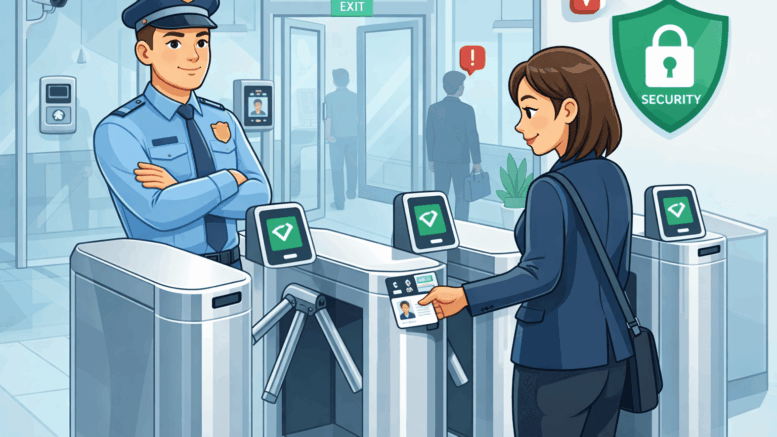
Introduction: A New Era of Identity Verification
In 2026, businesses across Singapore and the broader global market are undergoing a fundamental transformation in how they secure access, protect data, and manage identities. Traditional authentication methods—such as passwords, PINs, and access cards—are rapidly becoming obsolete. In their place, Biometric Authentication Systems (BAS) are emerging as the gold standard for security, convenience, and operational efficiency.
Our organization has observed a significant surge in demand for biometric solutions, particularly in sectors where security, compliance, and user experience are mission-critical. This shift is not merely a trend—it is a strategic evolution driven by real-world challenges and technological advancement.
The Limitations of Traditional Authentication Methods
For decades, passwords and physical credentials have been the backbone of corporate security. However, these methods come with inherent vulnerabilities:
- Passwords can be forgotten, stolen, or hacked.
- Access cards can be lost, duplicated, or misused.
- PIN codes are easily shared or guessed.
In a digital-first economy like Singapore, where cyber threats are increasingly sophisticated, relying on outdated authentication systems poses significant risks. Companies are realizing that reactive security is no longer sufficient—they need proactive, intelligent systems that can adapt in real time.
What Are Biometric Authentication Systems?
Biometric Authentication Systems use unique biological traits to verify an individual’s identity. These include:
- Fingerprint recognition
- Facial recognition
- Iris scanning
- Voice recognition
- Palm vein authentication
Unlike traditional credentials, biometric data is inherently personal and cannot be easily replicated or transferred. This makes BAS one of the most secure authentication methods available today.
Why 2026 Is the Turning Point
1. Rising Cybersecurity Threats
Cyberattacks have become more frequent and more damaging. Data breaches not only result in financial losses but also erode customer trust. Companies in Singapore are under increasing pressure to comply with strict data protection regulations, making robust authentication systems a necessity.
Biometric systems provide an added layer of security that significantly reduces the risk of unauthorized access. Since biometric traits are unique to each individual, they eliminate the possibility of credential sharing or theft.
2. Demand for Seamless User Experience
Modern employees and customers expect fast, frictionless access to systems and services. Password fatigue is a real issue, with individuals managing dozens of login credentials daily.
Biometric authentication simplifies this process:
- No need to remember passwords
- Instant verification
- Reduced login time
This enhanced user experience leads to increased productivity and higher satisfaction levels across the organization.
3. Integration with Smart Technologies
Singapore is a global leader in smart city initiatives. Businesses are increasingly adopting IoT devices, AI-driven platforms, and cloud-based systems. Biometric authentication integrates seamlessly with these technologies, enabling:
- Smart office access control
- Automated attendance tracking
- Secure remote login
The ability to unify security and convenience within a single ecosystem makes BAS an attractive investment for forward-thinking companies.
4. Compliance and Regulatory Requirements
Data protection laws in Singapore, such as the Personal Data Protection Act (PDPA), require organizations to implement stringent security measures. Biometric systems help companies meet these requirements by providing:
- Accurate identity verification
- Audit trails for access control
- Reduced risk of data breaches
By adopting BAS, companies not only enhance security but also demonstrate their commitment to regulatory compliance.
Key Benefits of Biometric Authentication Systems
Enhanced Security
Biometric data is extremely difficult to forge or steal. This significantly reduces the risk of identity fraud and unauthorized access.
Improved Efficiency
Automated authentication processes eliminate manual checks and reduce administrative workload. Employees can access systems quickly, improving overall workflow efficiency.
Cost Savings
While the initial investment in biometric systems may be higher, the long-term savings are substantial. Companies can reduce costs associated with:
- Password resets
- Card replacements
- Security breaches
Scalability
Modern biometric systems are highly scalable, making them suitable for businesses of all sizes—from SMEs to large enterprises.
Contactless Technology
In a post-pandemic world, hygiene and safety remain priorities. Contactless biometric solutions, such as facial recognition, minimize physical contact and promote a safer working environment.
Industry Adoption in Singapore
Biometric Authentication Systems are being widely adopted across various industries in Singapore:
Corporate Offices
Companies are replacing traditional access cards with facial recognition systems for secure and efficient entry management.
Healthcare
Hospitals and clinics use biometric authentication to protect sensitive patient data and ensure accurate identification.
Banking and Finance
Financial institutions are leveraging biometrics for secure transactions and fraud prevention.
Manufacturing
Factories are implementing biometric systems for workforce management and access control in restricted areas.
Challenges and Considerations
While the benefits are compelling, companies must also address certain challenges when implementing biometric systems:
Data Privacy Concerns
Biometric data is highly sensitive. Organizations must ensure that data is securely stored and handled in compliance with regulations.
Initial Investment
The upfront cost of deploying biometric systems can be significant. However, this is often offset by long-term savings and improved security.
System Integration
Companies need to ensure that biometric systems can integrate seamlessly with existing infrastructure.
Our approach focuses on providing end-to-end solutions that address these challenges, ensuring a smooth and secure transition to biometric authentication.
The Future of Biometric Authentication
Looking ahead, biometric technology is expected to become even more advanced and widely adopted. Innovations such as:
- AI-powered facial recognition
- Behavioral biometrics
- Multi-modal authentication
will further enhance accuracy and security.
In Singapore’s rapidly evolving digital landscape, companies that embrace biometric authentication today will be better positioned to compete and thrive in the future.
Conclusion: A Strategic Investment for 2026 and Beyond
The shift toward Biometric Authentication Systems is not just about upgrading security—it is about redefining how businesses operate in a digital world. In 2026, companies in Singapore are recognizing that biometric technology offers a powerful combination of security, efficiency, and user convenience.
By adopting BAS, organizations can protect their assets, streamline operations, and build trust with employees and customers alike. This is not merely a technological upgrade—it is a strategic investment in the future of business.
As we continue to innovate and deliver cutting-edge solutions, our commitment remains clear: to empower companies with the tools they need to stay secure, competitive, and future-ready.
Interested in this product? Click here to learn more: https://smartouch.com.sg/vms-visitor-management-system/
Smart Touch technology pte ltd , www.smartouch.com.sg +65-63964767, sales@smartouch.com.sg , www.smartouch.com.my +607-3889903 sales@smartouch.com.my