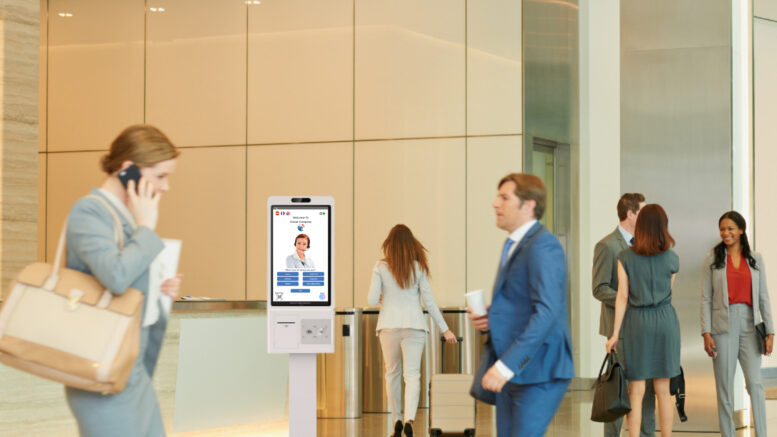
The traditional visitor logbook has survived in offices for decades because it seems simple. A visitor walks in, writes a name, notes the time, and waits to be announced. On the surface, that process looks familiar and harmless. In reality, it is one of the weakest links in modern office security and administration. A handwritten logbook is slow, inconsistent, easy to bypass, difficult to audit, and poor at supporting emergency response. In a business environment where offices handle contractors, vendors, interview candidates, clients, delivery personnel, and temporary staff every day, paper-based visitor sign-in is no longer enough. NIST’s physical access guidance emphasizes that physical access control applies to employees and visitors and that organizations should maintain audit logs of physical access, whether procedural, automated, or a combination of both.
That is why more companies are moving beyond the logbook and adopting digital visitor tracking. A digital visitor tracking system does much more than record names. It creates a structured, searchable, accountable, and more secure way to manage everyone who enters the workplace. It helps offices know who is on-site, why they are there, who approved the visit, when they arrived, when they left, and whether they should have access to certain areas at all. It also makes daily operations smoother for reception teams and more professional for guests.
For modern businesses, digital visitor tracking is not just a convenience upgrade. It is a practical improvement in security, compliance, emergency readiness, and workplace efficiency.
The Problem With the Traditional Visitor Logbook
A paper logbook may appear low-cost and straightforward, but it creates several serious problems.
First, it depends entirely on manual honesty and handwriting. Visitors can sign in with incomplete details, illegible names, incorrect contact information, or no meaningful purpose of visit. Some may skip the book altogether if reception is busy or unattended. Others may sign in but never sign out, leaving the office with inaccurate records of who is actually inside.
Second, a paper logbook is not a reliable audit trail. If management or security needs to find out who visited three weeks ago, which contractor was on-site during a specific incident, or whether a person entered during a certain time window, the process becomes slow and uncertain. NIST notes that physical access points can include exterior or interior access points and that audit logs can be procedural, automated, or mixed. In practice, automated logs are far easier to review and use than manual notebooks.
Third, a handwritten logbook can expose visitor information to other visitors. When names, companies, contact numbers, or visit details are visible on an open page, privacy becomes a concern. This is especially problematic for businesses that host confidential meetings, legal consultations, interviews, or sensitive client visits.
Fourth, the traditional logbook does almost nothing to improve response during emergencies. OSHA’s emergency contingency planning materials specifically state that emergency plans are intended to protect employees, contractors, and visitors while on-site. If a fire alarm, evacuation, or lockdown occurs, a messy sign-in book is one of the least effective tools for identifying who is still inside the building.
What Digital Visitor Tracking Actually Means
Digital visitor tracking replaces manual sign-in with an electronic process that records visitor activity in a more controlled and useful way. Depending on the office setup, visitors may pre-register before arrival, scan a QR code, enter their details on a tablet or kiosk, have their host notified automatically, receive a printed badge, and be logged in and out with timestamps that are easy to search later.
The key benefit is not just digitization for its own sake. It is the creation of better visibility and control at the front door.
A digital system can capture structured details such as:
- visitor name,
- company name,
- host or department,
- reason for visit,
- arrival and departure times,
- badge status,
- access permissions,
- contractor or delivery type,
- and acknowledgement of office policies or safety instructions.
This creates a far more useful record than a handwritten notebook ever can.
Better Security Starts at the Entrance
Most office security discussions focus on cameras, alarms, and access cards. Those systems are important, but the front entrance remains the first and most important point of control. If visitor handling is weak, many other security layers become less effective.
Digital visitor tracking strengthens entrance security by creating a formal process for receiving guests. It reduces the chances of unknown persons walking in unnoticed, lingering in reception areas without oversight, or entering under vague or incomplete identities. It also supports better coordination with internal access control processes. NIST’s guidance highlights that physical access authorizations apply to employees and visitors and that authorization credentials can include identification badges and smart cards.
In practical terms, digital visitor tracking can support security by allowing offices to:
- require complete sign-in details,
- link each guest to a host,
- issue visitor badges,
- limit access windows,
- distinguish visitors from employees,
- monitor contractor visits,
- and review past visitor activity quickly if something goes wrong.
A logbook only records that someone wrote something down. A digital system helps confirm that the visitor was expected, documented, and accountable.
A More Professional First Impression
Security is important, but visitor experience matters too. The reception process shapes how clients, candidates, vendors, and partners view the organization. A cluttered desk with a paper register can feel outdated and unorganized. A smooth digital check-in process feels more efficient, professional, and aligned with a modern office environment.
When a visitor can check in quickly, notify the host automatically, and receive clear instructions without delay, the entire experience improves. Reception teams also benefit because they spend less time managing repetitive manual tasks and more time handling exceptions, assisting guests, and maintaining control of the front desk.
For offices that regularly host external stakeholders, this is not a small detail. The check-in experience reflects the company’s operational maturity.
Faster and More Reliable Emergency Accountability
One of the strongest reasons to move beyond the logbook is emergency preparedness. During an evacuation, the office needs to know who is inside. Not just employees, but also visitors, contractors, and temporary personnel.
OSHA’s emergency planning materials explicitly state that emergency plans should provide a safe working environment for employees, contractors, and visitors on-site. That requirement becomes much easier to support when visitor records are digital and current.
A digital visitor tracking system can provide a real-time or near-real-time list of active visitors. This helps reception staff, safety wardens, facilities teams, and managers account for people during fire drills, evacuations, or other incidents. A paper logbook, by contrast, often contains crossed-out entries, missing sign-outs, illegible handwriting, and no fast way to confirm accuracy.
In an emergency, speed matters. Digital records make it easier to identify who still needs to be accounted for.
Stronger Audit Trails and Easier Investigations
When an incident occurs, businesses often need to answer basic but important questions. Was a contractor on-site at that time? Did a delivery visitor enter before the equipment issue was reported? Which visitors were present during the meeting? Did someone leave after office hours?
Digital visitor tracking makes these questions easier to answer because records are searchable, timestamped, and structured. NIST’s physical access guidance specifically emphasizes maintaining audit logs of physical access.
This is valuable not only for security investigations but also for operational reviews. Digital records help offices review visitor patterns, contractor frequency, reception workload, and after-hours access activity. Over time, this information can improve planning and reduce risk.
Better Support for Visitor Policies and Restricted Areas
Many offices need visitors to follow certain rules. They may need to wear badges, wait for escort, stay out of secure rooms, confirm safety procedures, or acknowledge confidentiality expectations before entering.
A paper book cannot enforce much of this in a dependable way. A digital system can do far more. It can present policies during check-in, require confirmation, tag the visitor by type, and route them into the correct workflow. This is especially useful for contractors, maintenance teams, interview candidates, and visitors entering operational or high-value areas.
OSHA’s workplace violence prevention guidance also recommends establishing procedures for secured areas and emergency evacuations and keeping logbooks and reports of incidents to determine preventive actions. A digital visitor system aligns better with that structured approach than a casual notebook at the reception desk.
Privacy Improves When Records Are Controlled Properly
Open paper registers often let one visitor see another visitor’s information. That is not ideal in any office and can be particularly problematic in legal, financial, healthcare, technology, and executive environments.
A digital visitor tracking system can improve privacy by limiting what is displayed, restricting administrative access, and storing records in a controlled environment rather than on exposed paper pages. It also helps offices standardize what information is collected instead of gathering inconsistent details that serve little purpose.
This matters because security is not just about collecting more information. It is about collecting the right information, keeping it accessible to authorized staff, and protecting it from unnecessary exposure.
Digital Visitor Tracking Works Better With Modern Office Systems
Another major advantage is integration. A paper logbook stands alone. A digital visitor tracking platform can connect with other office systems, including:
- access control,
- badge printing,
- host notifications,
- meeting room workflows,
- emergency roll calls,
- and security or facilities review processes.
That makes the reception area part of the larger workplace security strategy rather than an isolated manual checkpoint. NIST’s access-control guidance makes clear that physical access control and monitoring are part of broader organizational security controls.
When the visitor process connects to the rest of the building’s security environment, businesses gain better oversight without making the office feel less welcoming.
Why Offices Should Move Now, Not Later
It is easy to keep using a logbook simply because it is familiar. But familiarity is not the same as effectiveness. Offices have changed. Buildings are busier, security expectations are higher, hybrid work has changed reception patterns, and businesses need faster access to accurate information.
A digital visitor tracking system helps solve problems that paper never solved well in the first place. It improves entry control, saves reception time, supports emergency accountability, strengthens auditability, protects privacy better, and creates a more modern visitor experience.
The shift is not about replacing pen and paper with a screen. It is about replacing uncertainty with visibility.
Final Thoughts
The old visitor logbook belongs to a slower, simpler workplace. Modern offices need more than a handwritten name and a rough arrival time. They need reliable visitor records, faster front-desk workflows, stronger entrance security, and better emergency accountability.
Beyond the logbook, digital visitor tracking gives offices what paper cannot: real-time visibility, better control, stronger audit trails, and a more professional experience for everyone who enters the building. OSHA’s emergency planning guidance underscores that visitors and contractors must be protected while on-site, and NIST’s access-control guidance reinforces the value of structured physical-access logging for visitors.
For businesses that want a smarter and safer workplace, digital visitor tracking is no longer a luxury. It is the modern standard for managing who comes in, why they are there, and how the office stays secure, organized, and prepared.
Explore the Solution: https://smartouch.com.sg/vms-visitor-management-system/
Smart Touch technology pte ltd , www.smartouch.com.sg +65-63964767, sales@smartouch.com.sg , www.smartouch.com.my +607-3889903 sales@smartouch.com.my