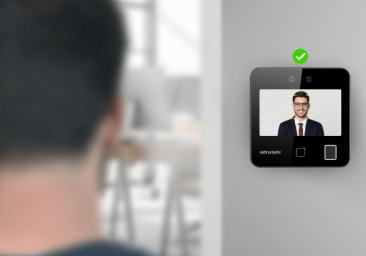
In an era where security and convenience go hand-in-hand, organisations across Singapore are increasingly turning toward advanced solutions that deliver both robust protection and seamless user experience. One such innovation that has become a cornerstone of modern security infrastructure is Biometric Access Control Singapore — a system that identifies individuals based on unique biological traits rather than traditional keys, PINs, or access cards. In this comprehensive guide, we explore everything you need to know about biometric access control in Singapore, its benefits, technologies, applications, and how you can future-proof your security strategy. For tailored biometric solutions, visit https://smartouch.com.sg/biometric-facial/.
What is Biometric Access Control?
Biometric access control refers to security systems that determine access permissions based on measurable human characteristics that are inherently unique to each person — such as fingerprints, facial features, or iris patterns. Unlike keycards or codes that can be lost, stolen, or shared, biometric credentials are linked directly to the individual, making unauthorised use virtually impossible.
By deploying biometric access control, organisations in Singapore can:
- Ensure High-Level Authentication: Only authorised individuals are granted entry.
- Eliminate Credential Sharing: Biometrics cannot be duplicated or lent.
- Improve Security Transparency: Every access event is logged with identifiable person data.
In Singapore — a global hub for finance, technology, and multinational business — biometric access control is quickly becoming a standard for organisations committed to state-of-the-art security.
Why Singapore Is Embracing Biometric Access Control
Singapore’s reputation for safety and technological innovation makes it a fertile ground for advanced access control systems. The country’s commercial, residential, educational, and industrial sectors all have unique security demands that biometric systems are well-suited to meet.
Here are the key drivers behind the adoption of biometric access control in Singapore:
1. Enhanced Security Standards
Security threats today are more sophisticated than ever. Traditional security measures like locks and keys or even RFID cards no longer offer sufficient protection. By relying on biometric systems — such as facial recognition or fingerprint scanning — organisations can elevate access control to an advanced biological level of identification.
2. Compliance and Accountability
For sectors such as finance, healthcare, and data centres, regulatory compliance is critical. Biometric systems offer detailed audit trails that record precisely who accessed specific areas and when, enabling better governance and accountability.
3. Operational Efficiency
Biometric access control streamlines routine processes like attendance tracking and workforce management. Staff no longer need to carry access cards, and system administrators can centrally manage user permissions, reducing administration time and overhead.
4. Integration with Smart Infrastructure
Singapore’s smart city initiatives encourage integration across IoT systems, CCTV surveillance, building management platforms, and security solutions. Biometric access control systems fit perfectly into this ecosystem, offering interoperability and real-time insights.
To explore biometric access control options designed for Singapore’s unique needs, visit https://smartouch.com.sg/biometric-facial/.
Types of Biometric Technologies
Biometric systems come in various forms, each with its strengths and use cases. Below are the most common biometric technologies implemented in Singapore:
Fingerprint Recognition
One of the most widely used biometric methods, fingerprint scanning reads unique ridge patterns on an individual’s fingertips. It offers a balance of accuracy, speed, and cost-effectiveness, making it ideal for offices, schools, and medium-size facilities.
Facial Recognition
Facial recognition technology analyses distinctive facial features — such as the distance between eyes, nose contours, and jawlines — to identify users. This contactless method has surged in popularity, especially in high-traffic areas where touch-free security is preferred. For leading facial recognition access control, visit https://smartouch.com.sg/biometric-facial/.
Iris and Retina Scanning
Iris or retina scanning captures unique patterns in the eye for secure authentication. While highly accurate, these methods tend to be used in environments with extremely high security requirements, such as data centres or government facilities.
Palm Vein Recognition
Palm vein scanning captures the unique vein patterns inside the hand using infrared light. This method is highly secure and hygienic, as it does not require direct contact with the surface.
How Biometric Access Control Works
A typical biometric access control system comprises the following key components:
- Biometric Sensors: These capture a physical or behavioural trait — like a fingerprint or face image.
- Processor and Matching Algorithms: The captured data is converted into a digital template and compared against stored biometric templates.
- Access Controller: This central unit determines whether to grant or deny access.
- Entry Mechanism: Upon successful verification, the system triggers electric locks, turnstiles, or doors to allow entry.
- Management Software: Administrators use this platform to enrol users, assign access rights, and review logs.
The process begins when an individual presents their biometric trait at a reader. The system then converts this trait into a digital template and compares it with the database. If a match is found, access is granted — and all events are logged.
Benefits of Biometric Access Control in Singapore
Biometric access control offers a range of advantages for organisations prioritising security, efficiency, and modern user experience:
Unmatched Security
Biometric identifiers are extremely difficult to forge. Unlike keys or cards that can be copied or shared, biometric credentials are inherently tied to the person, dramatically reducing the risk of unauthorised access.
User Convenience
Employees and visitors don’t have to carry physical access cards or remember PINs. With contactless facial recognition systems, authentication becomes as simple as walking up to a reader.
Reduced Management Overhead
Biometric systems simplify access control administration. User profiles can be created, updated, or revoked centrally, eliminating the need to replace lost cards or reissue keys.
Accurate Attendance Tracking
Biometric systems seamlessly align with workforce management by automatically recording attendance and access times, streamlining payroll and productivity reporting.
Scalability
From small offices to multinational headquarters, biometric systems are scalable. Organisations can start with a few entry points and expand into a fully integrated security network.
Applications of Biometric Access Control
Biometric access control is versatile and suitable for a wide range of environments in Singapore:
- Commercial Offices: Secure restricted areas and automate employee entry.
- Residential Buildings: Enhance security for residents and deter unauthorised access.
- Healthcare Facilities: Protect sensitive areas like pharmacies and patient records.
- Educational Institutions: Secure laboratories, staff rooms, and administrative offices.
- Manufacturing Plants: Restrict access to hazardous zones and monitor personnel movement.
Each application can be tailored to match specific security requirements and workflows.
Choosing the Right Provider in Singapore
Selecting the right biometrics partner is essential to maximise ROI and ensure long-term security performance. Here’s what to consider:
Technology Expertise
Choose a provider with deep experience in biometric hardware and software integration, especially in Singapore’s diverse business landscape.
Customised Solutions
Security needs vary by industry and facility type. Your provider should offer tailored solutions — from standalone access points to fully integrated security ecosystems.
After-Sales Support
Reliable ongoing support, regular software updates, and maintenance services are critical for uninterrupted performance.
Compliance and Quality Standards
Ensure that systems adhere to local privacy laws and international security standards to protect user data and access logs.
For premium biometric access control solutions designed to match Singapore’s dynamic security requirements, explore https://smartouch.com.sg/biometric-facial/.
Future Trends in Biometric Security
Biometric technologies continue to evolve rapidly. Emerging trends include:
- AI-Powered Recognition: Improved accuracy and adaptability, even in challenging lighting or environmental conditions.
- Multi-Factor Biometric Authentication: Combining different biometric traits for enhanced security.
- Cloud-Based Biometric Management: Centralised control and remote administration for distributed facilities.
- Integration with Smart Building Platforms: Unified access control alongside environmental monitoring and automated building systems.
These trends ensure that biometric access control remains at the forefront of security innovation.
Conclusion
In Singapore’s high-security environment, Biometric Access Control has emerged as a transformative solution — blending advanced technology with practical convenience. Whether you are securing offices, residential complexes, or specialised facilities, biometric systems deliver unparalleled protection, operational efficiency, and user satisfaction. From fingerprint scanners to advanced facial recognition, these systems represent the future of access control.
For advanced biometric access control systems that are customised for Singapore’s unique landscape, visit https://smartouch.com.sg/biometric-facial/ and take the first step toward smarter, more secure access.
Smart Touch technology pte ltd , www.smartouch.com.sg +65-63964767, sales@smartouch.com.sg , www.smartouch.com.my +607-3889903 sales@smartouch.com.my
Be the first to comment on "Biometric Access Control Singapore: The Definitive Guide to Next-Gen Security"