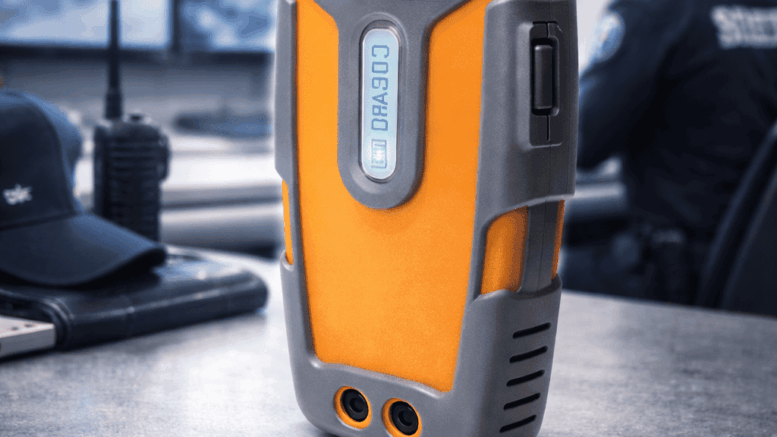
When a security guard on patrol spots something wrong, the value of that observation depends entirely on how quickly it reaches the right person. A guard patrol system with real-time incident reporting closes that gap, letting security teams log checkpoints, flag issues, and alert supervisors the moment something happens, instead of waiting for a handwritten report at the end of a shift.
This article explains how a modern guard patrol system works, why real-time incident reporting matters for security operations in Singapore, and what to look for when choosing a system for your site.
What Is a Guard Patrol System?
A guard patrol system is a digital tool that tracks security guards as they complete their rounds, verifying that checkpoints were visited on schedule and allowing guards to log incidents, observations, or issues in real time. Most systems use a mobile app or handheld scanner paired with checkpoint tags placed around the premises.
Why Real-Time Reporting Changes the Equation
Traditional patrol logs are typically written up after the fact, often hours after an incident occurred. Real-time incident reporting means supervisors are notified immediately when a guard flags a problem, whether that is a broken lock, an unauthorised person on site, or a safety hazard, allowing a much faster response.
Why Security Teams Are Moving Away from Paper Logs
Paper-based patrol logs and manual checkpoint systems create blind spots that modern security operations can no longer afford.
Common Problems with Manual Patrol Logs
- No way to verify guards actually completed their rounds on schedule
- Incident reports are delayed until the end of a shift or longer
- Handwritten logs are difficult to audit or search after the fact
- Supervisors have no real-time visibility into patrol status
- Missed checkpoints often go unnoticed until a problem occurs
Key Benefits of a Modern Guard Patrol System
- Real-time visibility: Supervisors see patrol progress and incidents as they happen
- Verified checkpoints: GPS or NFC tagging confirms guards actually completed their rounds
- Faster incident response: Issues are flagged and escalated immediately, not hours later
- Digital audit trail: Every patrol and incident is logged with time and location data
- Improved accountability: Clear records of guard activity support performance reviews and client reporting
Paper Logs vs. Digital Guard Patrol Systems
| Function | Paper Patrol Log | Digital Guard Patrol System |
|---|---|---|
| Checkpoint verification | Self-reported, unverifiable | GPS/NFC confirmed automatically |
| Incident reporting | Delayed, written after shift | Instant, real-time alerts |
| Supervisor visibility | None until log is reviewed | Live dashboard updates |
| Audit trail | Paper records, easy to lose | Digital, searchable records |
| Client reporting | Manual compilation | Automated reports |
How a Guard Patrol System Works
Step-by-Step Patrol Workflow
- Checkpoint setup: NFC tags or QR codes are placed at key locations around the site
- Patrol scan: Guards scan each checkpoint as they complete their rounds
- Incident logging: Guards report issues directly through the app, with photos if needed
- Real-time alert: Supervisors are notified immediately of flagged incidents
- Reporting: Patrol and incident data is compiled into reports for review and client updates
Best Practices for Deploying a Guard Patrol System
- Map checkpoints to cover all critical areas without creating unnecessarily long routes
- Train guards thoroughly on incident reporting features before go-live
- Set clear escalation procedures for different types of flagged incidents
- Review patrol and incident data regularly to spot patterns or recurring issues
- Use reporting data to demonstrate service quality to clients or building management
Choosing the Right Guard Patrol System
Not every patrol system offers the same depth of reporting or reliability in the field. When comparing vendors, check how the system performs in areas with weak mobile signal, whether checkpoint data can be exported easily for client reports, and how quickly incident alerts actually reach supervisors in practice. A system that works well in a demo but struggles with real-world site conditions will quickly frustrate both guards and management.
It is also worth confirming how much configuration flexibility the platform offers, since different sites often need different checkpoint layouts, escalation rules, and reporting formats depending on the client and the nature of the premises being secured.
Who Benefits Most from a Guard Patrol System?
While any security operation benefits from better patrol visibility, some environments see especially strong value from real-time reporting.
- Security service providers managing guards across multiple client sites
- Industrial and logistics facilities with large premises to patrol
- Residential estates and condominiums requiring documented security coverage
- Commercial buildings needing verifiable patrol records for compliance or insurance
Key Takeaways
- A guard patrol system verifies checkpoint completion and enables real-time incident reporting
- It replaces unreliable paper logs with searchable, auditable digital records
- Supervisors gain live visibility into patrol status and flagged issues
- Digital reporting simplifies client updates and compliance documentation
Conclusion
Security operations depend on accurate, timely information, and a paper-based patrol log simply cannot deliver that in a fast-moving incident. A guard patrol system with real-time incident reporting gives supervisors immediate visibility into what is happening on the ground, while creating a reliable digital record for audits and client reporting. If your security team is still relying on paper logs, it is worth evaluating a digital upgrade.
Frequently Asked Questions
How does a guard patrol system verify checkpoints?
Most systems use NFC tags, QR codes, or GPS location data to confirm that a guard physically visited a specific checkpoint at a given time.
Can supervisors see incidents as they are reported?
Yes. Real-time incident reporting sends immediate alerts to supervisors, allowing for a faster response than waiting for an end-of-shift report.
Is the system suitable for multiple client sites?
Yes. Security service providers can manage patrol data across multiple sites from a single centralised dashboard.
Can guards attach photos to incident reports?
Most modern systems allow guards to attach photos and notes directly to an incident report for clearer documentation.
Does this replace the need for a guard’s judgement?
No. The system supports and documents a guard’s work; it does not replace the judgement and vigilance guards bring to their patrols.
Need more information about the product? Click here: https://smartouch.com.sg/guard-patrol-system/
Smart Touch technology pte ltd , www.smartouch.com.sg +65-63964767, sales@smartouch.com.sg , www.smartouch.com.my +607-3889903 sales@smartouch.com.my