Construction Biometric Authentication System Guide for Dormitory Operators: Reduce Queues and Delays
Introduction
Managing access and security at workers’ dormitories in Singapore presents unique operational challenges. With multiple residents, visitors, and staff members moving through facilities daily, traditional access control methods often create bottlenecks that waste time and frustrate both operators and residents. Long queues at entry and exit points, manual verification processes, and paperwork delays are common pain points that reduce operational efficiency and compromise security.
For dormitory operators seeking to modernise their facilities and streamline daily operations, biometric authentication technology offers a practical solution. By implementing a Biometric Authentication System (BAS), dormitory operators can significantly reduce queues, accelerate access control, enhance security, and improve the overall experience for residents and staff.
This guide explores how construction-grade biometric authentication systems can transform dormitory operations in Singapore and help operators meet the growing demand for efficient, secure facilities.
The Challenge of Traditional Access Control in Dormitories
Common Operational Issues
Dormitory operators in Singapore face several recurring challenges with conventional access control methods:
- Queue congestion: Manual check-ins and verification processes create delays during peak hours, particularly during shift changes or meal times.
- Administrative burden: Paper-based or card-based systems require constant monitoring, updating, and maintenance.
- Security gaps: Lost or shared access cards, forgotten PINs, and identity verification errors undermine security objectives.
- Inaccurate occupancy data: Manual logging makes it difficult to track resident movement and maintain accurate occupancy records.
- Compliance concerns: Without reliable access records, dormitory operators struggle to meet regulatory requirements and provide audit trails.
Impact on Operations and Resident Satisfaction
These challenges extend beyond inconvenience. Lengthy queues frustrate residents, reduce staff productivity, and create security vulnerabilities. For dormitory operators managing multiple facilities or large resident populations, the cumulative effect of these inefficiencies can significantly impact bottom-line operations and resident satisfaction ratings.
Understanding Biometric Authentication Systems
What is a Biometric Authentication System?
A Biometric Authentication System uses unique physical or behavioural characteristics to verify an individual’s identity. Unlike traditional access cards or PINs, biometric data—such as fingerprints or facial features—cannot be lost, forgotten, or shared. This makes biometric systems inherently more secure and user-friendly.
Key Advantages for Dormitory Operations
Biometric authentication systems deliver several operational benefits specifically relevant to dormitory environments:
- Rapid access: Biometric verification takes seconds, eliminating queues and reducing wait times significantly.
- Enhanced security: Unique biological identifiers prevent unauthorised access and eliminate shared access credentials.
- Accurate record-keeping: Automated logging provides precise entry and exit records for compliance and safety purposes.
- Reduced administrative overhead: Elimination of card management, replacement, and password resets saves time and resources.
- Scalability: Biometric systems easily accommodate growing resident populations without requiring additional infrastructure complexity.
How Biometric Authentication Systems Work in Dormitory Settings
The Basic Process
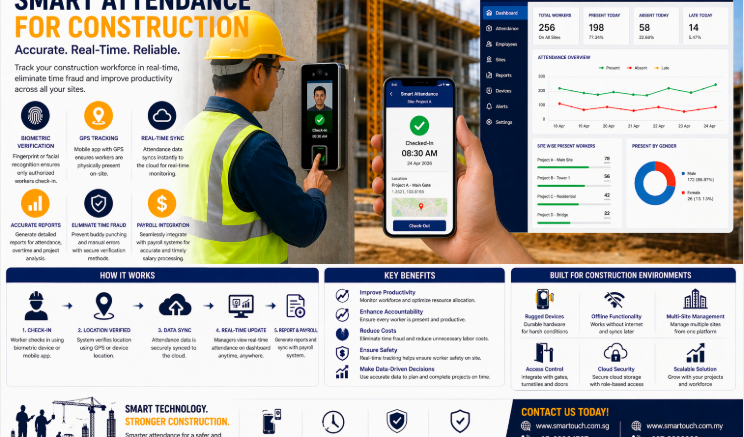
When a resident or staff member approaches a controlled access point, they present their biometric data—typically a fingerprint or facial scan—to a biometric reader. The system instantly compares this data against its enrolled database. If a match is found and the individual has active access privileges, the door or gate unlocks within seconds. The transaction is automatically logged with timestamp information.
Integration with Dormitory Operations
A well-designed biometric authentication system integrates seamlessly with existing dormitory infrastructure:
- Entry and exit control: Secure all main access points, including main gates, building entrances, and secure areas.
- Visitor management: Streamline visitor registration and temporary access provisioning.
- Time and attendance tracking: Automatically record when residents and staff arrive and depart.
- Compliance reporting: Generate detailed access logs and occupancy reports for regulatory requirements.
- Emergency management: Maintain access records that support emergency response and evacuation procedures.
Practical Benefits for Dormitory Operators in Singapore
Operational Efficiency
The most immediate benefit is operational efficiency. By eliminating manual verification processes, biometric systems reduce the time required for each access transaction from minutes to seconds. During peak periods—such as morning departures or evening returns—this reduction in processing time translates to significantly shorter queues and smoother traffic flow through dormitory facilities.
Security and Compliance
Singapore’s regulatory environment increasingly requires dormitory operators to maintain reliable records of resident movement and facility access. Biometric systems provide an audit-ready solution that automatically documents who accessed which areas and when. This level of accountability strengthens compliance with safety regulations and provides evidence of responsible facility management.
Cost Savings
While biometric systems require initial investment, they generate cost savings over time through reduced administrative labour, elimination of card replacement expenses, and improved staff productivity. Fewer staff members are needed to manage access control, allowing these resources to focus on resident care and facility maintenance.
Resident Experience
Residents appreciate the convenience and speed of biometric access. There are no cards to carry, no PINs to remember, and no waiting in queues. This improved experience contributes to higher resident satisfaction and positive facility reviews.
Considerations When Implementing Biometric Systems
Data Privacy and Security
Before implementing any biometric system, dormitory operators should understand the data protection implications. Singapore’s Personal Data Protection Act (PDPA) governs the collection and use of personal data, including biometric information. Ensure that your chosen system includes appropriate security measures, data encryption, and privacy safeguards. Consult with your legal or compliance team to ensure full alignment with current PDPA requirements.
User Enrolment and Adoption
Successful implementation requires resident cooperation during the biometric enrolment process. Plan for adequate time and resources to enrol all residents, explain how the system works, and address any concerns. Provide clear signage and staff support to guide residents through the initial adoption phase.
Maintenance and Support
Biometric systems require regular maintenance to ensure reliable operation. Select a system provider that offers comprehensive technical support, regular calibration, and software updates.
How Smart Touch Technology Singapore Can Help
Smart Touch Technology Singapore offers a Biometric Authentication System (BAS) specifically designed to address the access control challenges faced by dormitory operators. The BAS solution provides fast, reliable, and secure biometric verification tailored to the unique operational requirements of residential facilities.
By implementing Smart Touch Technology’s BAS, dormitory operators can reduce queue times, enhance security, maintain accurate access records, and improve overall operational efficiency. The system integrates smoothly with existing facility infrastructure and provides the reliability and support needed for continuous operation.
Learn more about this product—click here to explore how the Biometric Authentication System can transform your dormitory operations.
Conclusion
For dormitory operators in Singapore, biometric authentication systems represent a significant operational improvement. By eliminating queues, enhancing security, and automating access records, these systems address many of the challenges inherent in managing large residential facilities.
The investment in biometric technology pays dividends through improved efficiency, stronger compliance, cost savings, and better resident satisfaction. As Singapore’s dormitory sector continues to evolve, biometric authentication has become not just a convenience feature but a practical necessity for modern facility management.
If your dormitory facility is struggling with access control inefficiencies, now is the time to explore biometric authentication solutions that can streamline operations and deliver measurable results.
Smart Touch technology pte ltd , www.smartouch.com.sg +65-63964767, sales@smartouch.com.sg , www.smartouch.com.my +607-3889903 sales@smartouch.com.my