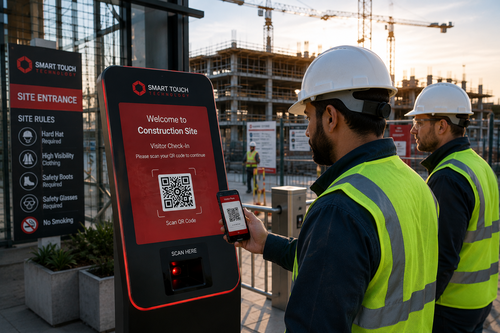
Visitor Check-In Kiosk Singapore Solutions for Corporate Headquarters: 2026 Buyer’s Guide
Introduction: Why Visitor Management Matters for Modern Singapore Businesses
In today’s corporate environment, visitor management has evolved from a simple administrative task into a critical operational and security function. For corporate headquarters in Singapore, the stakes are particularly high. Organisations must balance welcoming visitors—clients, partners, contractors, and service providers—with maintaining strict security protocols and operational efficiency.
Traditional sign-in methods, such as paper-based visitor logs or manual reception desk processes, are increasingly inadequate for modern business needs. They consume valuable time, create inconsistent records, and leave organisations vulnerable to security gaps. This is where visitor check-in kiosks come into play.
A well-implemented visitor check-in kiosk system can streamline the entire visitor experience while strengthening security controls. For Singapore’s fast-paced business landscape, this technology has become essential. Whether your corporate headquarters receives dozens or hundreds of visitors daily, a digital visitor management system delivers measurable benefits in efficiency, compliance, and security.
This 2026 buyer’s guide explores what you should look for in a visitor check-in kiosk solution and how to evaluate options that align with your corporate headquarters’ specific requirements.
Understanding Visitor Check-In Kiosks: The Basics
What Is a Visitor Check-In Kiosk?
A visitor check-in kiosk is a standalone or integrated digital terminal that enables visitors to self-register upon arrival at your facility. Rather than queuing at reception or completing paper forms, visitors interact with the kiosk to provide essential information, confirm their appointment, and receive visitor credentials or directions.
Modern kiosks go beyond simple data capture. They integrate with building management systems, security protocols, and host department notifications to create a seamless and secure visitor journey from arrival to departure.
How Visitor Kiosks Differ from Traditional Methods
Paper-based visitor logs require manual data entry, create illegible records, and offer no real-time visibility. Reception staff must spend time processing visitors manually, which reduces their capacity to handle other responsibilities. Security risks increase because there is no automated verification of visitor identities or appointments.
Digital visitor check-in kiosks eliminate these inefficiencies. They provide instant data capture, automated notifications, audit trails, and integration with access control systems. This represents a fundamental shift in how corporate headquarters can manage visitor flow and maintain security standards.
Key Features to Look for in a Visitor Check-In Kiosk System
Intuitive User Interface
Your visitor kiosk will be used by people with varying levels of technical familiarity. The interface must be clear, simple, and quick to navigate. Multilingual support is particularly important in Singapore’s diverse business environment. Look for systems that support English, Mandarin, Malay, and Tamil to ensure all visitors can check in independently and comfortably.
Integration with Appointment Systems
An effective visitor kiosk should verify that a visitor’s appointment exists before completing the check-in process. This prevents unauthorised visitors from entering and ensures that only expected guests proceed. Real-time synchronisation with your calendar or meeting management system is essential.
Automated Host Notifications
Once a visitor checks in, the host department or assigned employee should receive an instant notification. This eliminates delays in the reception area and ensures visitors don’t spend unnecessary time waiting. Push notifications, SMS, or email alerts should be configurable based on your organisational preferences.
Visitor Badge or Credential Generation
The kiosk should automatically generate visitor badges with relevant information—visitor name, host name, date, and time. Some systems include QR codes or RFID integration for access control. This adds another layer of security by enabling you to track visitor movement within your facility.
Data Capture and Compliance
Comprehensive visitor data collection is important for security and compliance. Look for systems that capture visitor name, contact details, company affiliation, vehicle registration (if applicable), and purpose of visit. This information should be stored securely and be retrievable for compliance audits or investigations.
Access Control Integration
A modern visitor check-in kiosk should integrate with your building’s access control system. This allows automatic permissions to be granted to visitors for specific areas and time periods, with automatic revocation when they check out. This is more secure and efficient than manually issuing access cards.
Check-Out Functionality
A complete system includes visitor check-out. This records when visitors leave your facility, updates access permissions, and provides accurate occupancy data. This is particularly important for emergency evacuation procedures and security audits.
Why Singapore Businesses Need Visitor Check-In Kiosks in 2026
Security and Compliance Considerations
Singapore organisations operate in a highly regulated environment. While there is no single mandatory “visitor management law” in Singapore, organisations are expected to maintain reasonable security measures as part of general duty of care and workplace safety obligations under the Ministry of Manpower’s guidelines. Additionally, many industries have specific compliance requirements related to data protection, access control, and audit trails.
A digital visitor management system creates documented, auditable records that demonstrate your organisation’s commitment to security. This can be invaluable during security reviews, insurance audits, or regulatory inspections.
Operational Efficiency
Singapore’s competitive business environment means that time is money. Every minute your reception team spends manually processing visitors is a minute they cannot spend on higher-value activities. Visitor check-in kiosks reduce processing time from several minutes per visitor to under one minute, freeing staff to focus on customer service and other responsibilities.
Enhanced Visitor Experience
First impressions matter. A modern, efficient check-in process signals that your organisation is professional and technologically advanced. Visitors appreciate the speed and convenience of self-service kiosks, particularly business professionals accustomed to digital interactions.
Real-Time Occupancy and Emergency Preparedness
In an emergency, knowing exactly who is in your building is critical. A visitor check-in and check-out system provides real-time occupancy data that can be essential for evacuation procedures, headcount verification, and emergency response coordination.
Common Challenges and How to Address Them
Technology Adoption Among Visitors
Some visitors, particularly older business contacts or those unfamiliar with self-service technology, may hesitate to use a kiosk. The solution is ensuring your system has a simple, intuitive interface and that reception staff can provide quick assistance if needed. The kiosk should enhance—not completely replace—human support.
System Downtime and Reliability
If your visitor kiosk fails, you need a fallback process. Choose systems that include offline functionality or have robust backup procedures. Your provider should offer reliable technical support and rapid response to issues.
Data Security and Privacy
Visitor data is sensitive. Ensure your kiosk system complies with Singapore’s Personal Data Protection Act (PDPA) requirements. Data should be encrypted, securely stored, and subject to appropriate access controls. Confirm your provider has clear data retention policies and security certifications.
Integration with Existing Systems
Your headquarters likely already uses security systems, access control, HR platforms, or meeting room booking software. Your visitor kiosk must integrate smoothly with these systems. Before committing, verify compatibility and ask about integration timelines and any additional costs.
What to Evaluate When Choosing a Visitor Check-In Kiosk Solution
Hardware Options
Decide whether you need a floor-standing kiosk, a wall-mounted terminal, or a tablet-based solution. Consider your reception area layout, expected visitor volume, and aesthetic preferences. Ensure the hardware is durable, easy to clean, and designed for 24/7 operation if needed.
Software Capabilities
Assess the software’s core features: user interface design, multilingual support, reporting capabilities, and customisation options. Can you tailor workflows to match your company’s specific procedures? Can you generate meaningful reports for security or compliance purposes?
Scalability
Will your solution scale if your organisation grows? If you add new office locations, can the system expand without major re-implementation costs? Look for systems designed with enterprise scalability in mind.
Vendor Support and Training
Excellent technical support and user training are essential. Your vendor should provide comprehensive onboarding, ongoing support, and regular software updates. In Singapore’s business environment, local support with quick response times is valuable.
Cost of Ownership
Consider not just the upfront hardware cost but the total cost of ownership. Factor in software licensing, maintenance, support, integrations, and any ongoing services. Compare pricing models—some vendors charge per-transaction, others use fixed annual fees. Understand what’s included and what costs extra.
Security and Compliance Credentials
Verify that your vendor’s solution meets relevant security standards. Ask about data protection certifications, penetration testing, and compliance audits. Ensure the system is designed to meet PDPA requirements and other relevant Singapore regulations.
How Smart Touch Technology Singapore Can Help
Smart Touch Technology Singapore offers VMS Kiosk Apps designed specifically for corporate environments. These solutions address the core challenges that Singapore businesses face when managing visitor flow, maintaining security, and ensuring compliance.
A VMS (Visitor Management System) kiosk app provides intuitive self-service check-in capabilities, seamless integration with your existing systems, and comprehensive reporting for security and operational purposes. The system is built to handle Singapore’s multilingual business environment and can be tailored to match your corporate headquarters’ specific workflows and security requirements.
By implementing a dedicated visitor management kiosk solution, you gain the ability to streamline operations, enhance security, and create a professional visitor experience that reflects positively on your organisation.
Explore full product details by clicking here: https://smartouch.com.sg/vms-visitor-management-system/
Conclusion
Visitor check-in kiosks have become essential infrastructure for modern corporate headquarters in Singapore. They address critical needs around security, efficiency, compliance, and visitor experience that paper-based systems simply cannot meet. As you evaluate solutions for 2026 and beyond, prioritise systems that offer intuitive interfaces, robust integration capabilities, strong security features, and reliable vendor support.
The right visitor management kiosk system will pay dividends through improved operational efficiency, enhanced security posture, and professional visitor experience. Take time to assess your specific requirements, evaluate multiple options, and choose a solution that aligns with your corporate headquarters’ goals and technical environment.
Smart Touch technology pte ltd , www.smartouch.com.sg +65-63964767, sales@smartouch.com.sg , www.smartouch.com.my +607-3889903 sales@smartouch.com.my