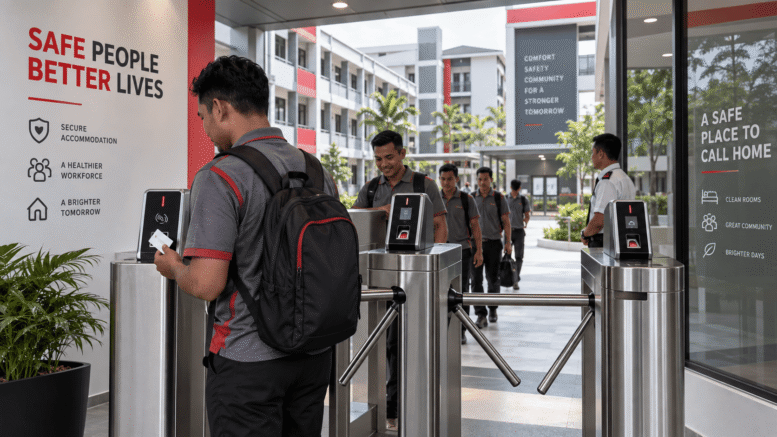
Upgrade Growing SMEs with Dormitory Management System Singapore: Contactless Convenience
Introduction
Singapore’s small and medium-sized enterprises (SMEs) face unique operational challenges, particularly those in labour-intensive industries. For companies managing employee dormitories, the administrative burden of manual check-ins, access control, and occupancy management can quickly become overwhelming as the business scales.
The rise of contactless solutions and digital convenience has transformed how businesses operate across Singapore. For organisations managing dormitory facilities, upgrading to a modern management system isn’t just about efficiency—it’s about creating safer, more secure, and more professional spaces for employees while reducing administrative overhead.
This article explores how a dormitory management system can help growing SMEs in Singapore streamline operations, enhance security, and provide the contactless convenience that today’s workforce expects.
Why Dormitory Management Matters for Growing Singapore SMEs
The Scale Challenge
As SMEs grow, so do their workforce needs. Many Singapore-based companies in sectors like hospitality, healthcare, manufacturing, and construction provide employee dormitories as part of their employment package. Managing multiple residents, varying occupancy rates, and daily operational requirements manually becomes increasingly complex.
What starts as manageable with a small team can quickly spiral into administrative chaos as your organisation scales. Staff turnover, maintenance requests, visitor management, and billing become time-consuming tasks that divert resources from core business operations.
Employee Expectations and Workplace Standards
Modern employees, particularly younger talent entering the workforce, expect professional, secure, and convenient facilities. They’re accustomed to contactless check-ins, digital access, and transparent communication about their living spaces. Dormitories managed through outdated paper-based or manual systems can negatively impact employee satisfaction and retention.
Beyond expectations, there’s a practical safety consideration. Manual access control and paper-based occupancy records create security vulnerabilities and compliance challenges that can expose your organisation to risk.
Common Pain Points in Traditional Dormitory Management
Many growing SMEs still rely on manual processes for dormitory management, which present several challenges:
- Time-Consuming Check-Ins: Paper-based or manual entry systems slow down resident check-in processes and create bottlenecks during busy periods.
- Security Gaps: Without digital access control, tracking who enters and exits the facility becomes unreliable, creating security vulnerabilities.
- Occupancy Inaccuracy: Manual record-keeping leads to errors in occupancy data, complicating billing, maintenance planning, and regulatory compliance.
- Maintenance and Request Management: Residents struggle to report maintenance issues, and staff lack visibility into pending requests.
- Administrative Overhead: Manual processes consume significant staff time that could be allocated to higher-value tasks.
- Limited Visitor Tracking: Managing approved visitors and maintaining security becomes difficult without structured digital systems.
- Billing and Accounting Issues: Manual occupancy records complicate billing cycles and create reconciliation problems.
The Benefits of Upgrading to a Digital Dormitory Management System
Contactless Convenience
A modern dormitory management system eliminates the need for physical contact points during check-in and access. Residents can use digital credentials, QR codes, or mobile applications to gain entry, reducing queues and enhancing the safety and convenience of the facility. This contactless approach has become increasingly important in post-pandemic business operations across Singapore.
Real-Time Occupancy Visibility
Digital systems provide instant, accurate occupancy data. You’ll know exactly who is in the dormitory at any given time, facilitating better maintenance planning, security protocols, and resource allocation. Real-time data also simplifies billing cycles and reduces discrepancies.
Enhanced Security and Access Control
Digital access systems provide a secure, auditable record of all entries and exits. You can restrict access to authorised residents and visitors, set time-based access permissions, and receive alerts for unusual activity. This level of control is impossible with traditional manual systems.
Improved Employee Experience
Residents benefit from easier check-ins, transparent communication channels for maintenance requests, and professional facility management. A better experience contributes to improved employee satisfaction and retention, particularly important for SMEs competing for talent in Singapore’s competitive market.
Streamlined Administrative Operations
Automating dormitory management reduces the administrative burden on your staff. Less time spent on manual check-ins and record-keeping means more resources available for strategic operations and employee support.
Compliance and Audit Readiness
Digital systems create clear audit trails and documentation that simplify regulatory compliance. Whether dealing with employment regulations, safety standards, or internal policies, a well-maintained digital record provides confidence and transparency.
How a Dormitory Management System Works
Core Functionality
A comprehensive dormitory management system typically includes:
- Digital Check-In: Residents check in using mobile apps, QR codes, or digital credentials, eliminating paper-based processes.
- Access Control Integration: Automated door locks and access systems tied to resident profiles ensure only authorised individuals enter.
- Occupancy Tracking: Real-time occupancy data updated automatically as residents check in or out.
- Maintenance Request Management: Residents can submit maintenance issues through the system, with automatic routing to maintenance staff.
- Visitor Management: Digital approval and registration of visitors, with time-limited access credentials.
- Billing Integration: Automatic occupancy-based billing that reduces manual invoicing errors.
- Reporting and Analytics: Comprehensive reports on occupancy, maintenance, and facility usage.
Integration with Existing Systems
Modern dormitory management systems integrate with your existing HR, accounting, and facilities management platforms. This seamless integration ensures data flows smoothly across departments without duplicating effort or creating data silos.
Smart Touch Technology’s Dormitory Management Solution
For Singapore SMEs looking to upgrade their dormitory operations, Smart Touch Technology offers a comprehensive dormitory management system designed specifically for the Singapore business environment. The system combines contactless convenience with powerful administrative tools, giving growing organisations the infrastructure they need to scale efficiently.
The Smart Touch dormitory management system streamlines resident check-in, provides real-time occupancy visibility, integrates with access control systems, and automates maintenance request handling. By centralising dormitory operations into a single digital platform, organisations can reduce administrative overhead, improve security, and enhance the overall resident experience.
Whether you’re managing a small dormitory for a growing team or scaling to multiple facilities, Smart Touch Technology’s solution adapts to your organisation’s needs, providing the reliability and professional standards expected in Singapore’s business landscape.
Implementation Considerations for Singapore SMEs
Choosing the Right System
When evaluating a dormitory management system, consider:
- Ease of use for both staff and residents
- Integration capabilities with your existing systems
- Scalability as your organisation grows
- Security features and data protection standards
- Vendor support and local expertise in Singapore
- Cost structure and return on investment timeline
Change Management
Implementing a new system requires change management planning. Ensure staff receive proper training and that residents understand how to use the new check-in process. Clear communication about the benefits—convenience, security, and improved service—helps build adoption.
Data Migration
If transitioning from paper-based or legacy systems, plan for careful data migration. Ensure historical occupancy records and resident information transfer accurately to avoid disruptions or compliance issues.
Making the Upgrade Decision
For growing SMEs in Singapore, upgrading to a digital dormitory management system represents an investment in operational efficiency, security, and employee satisfaction. The contactless convenience aligns with modern workplace expectations, while the administrative streamlining frees resources for business growth.
The question isn’t whether you can afford to upgrade, but whether you can afford not to as your organisation scales. Manual processes that work for a small team become liabilities for a growing business, creating inefficiencies, security risks, and employee dissatisfaction.
Want to know more about this product? Click here to explore how Smart Touch Technology’s dormitory management system can transform your operations.
Conclusion
As Singapore SMEs continue to grow, the need for professional, scalable dormitory management becomes increasingly important. Manual processes no longer serve organisations scaling beyond small teams, and modern employees expect the convenience and security that digital systems provide.
A dormitory management system addresses the real pain points of growing organisations: improving security, streamlining administration, enhancing the resident experience, and providing real-time operational visibility. By upgrading from manual to digital management, SMEs create a foundation for sustainable growth while meeting the professional standards their employees deserve.
Smart Touch Technology pte ltd, www.smartouch.com.sg +65-63964767, sales@smartouch.com.sg, www.smartouch.com.my +607-3889903 sales@smartouch.com.my