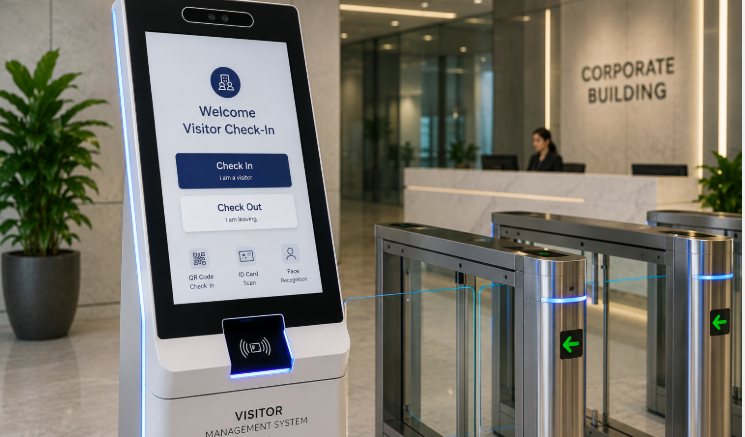
Why Education Campuses Choose Visitor Management System Singapore for Safer Site Access
Education institutions across Singapore face a unique set of security challenges. With hundreds or thousands of students, staff, and daily visitors moving through campus grounds, maintaining a secure environment whilst facilitating legitimate access is a delicate balance. Educational campuses are particularly sensitive environments where safeguarding young people and protecting valuable resources are non-negotiable priorities.
Traditional visitor management approaches—such as paper-based sign-in sheets or simple gate passes—are no longer sufficient to meet modern security expectations. These outdated methods leave gaps in access control, make it difficult to track who is on campus at any given time, and provide little audit trail for compliance purposes.
This is why an increasing number of education campuses across Singapore are turning to digital visitor management systems. These solutions provide a modern, efficient, and transparent way to monitor campus access whilst maintaining a welcoming atmosphere for legitimate visitors and stakeholders.
The Security Challenges Facing Education Campuses in Singapore
Educational institutions operate under unique pressures when it comes to security and pastoral care. Campuses must remain accessible to parents, contractors, delivery personnel, and external stakeholders whilst simultaneously protecting students and staff from unauthorised access.
Key Security Concerns
- Uncontrolled Access: Without proper systems, it can be unclear who is on campus at any given time, creating blind spots in security.
- Lack of Accountability: Manual visitor logs are easily lost, illegible, or incomplete, making it difficult to track movements during incidents.
- Emergency Response Delays: In a crisis situation, institutions need accurate, real-time information about who is present on campus. Paper-based systems cannot provide this quickly.
- Reputational Risk: Security breaches or safeguarding incidents at educational institutions can have serious reputational consequences and undermine parent and community confidence.
- Compliance Pressure: Educational bodies are increasingly expected to demonstrate robust security practices and maintain proper documentation for regulatory purposes.
Many campuses struggle to achieve an appropriate balance between security and convenience. A system that is too restrictive creates frustration for staff and visitors; one that is too loose compromises safety.
What Makes a Visitor Management System Essential for Campuses
A modern visitor management system provides digital, automated tracking of who enters and exits a campus. Rather than relying on handwritten logs, these systems create a centralised, searchable database of visitor information, access times, and reasons for visit.
How Visitor Management Systems Work
A typical web-based visitor management system allows staff to:
- Pre-register expected visitors before they arrive
- Quickly check in visitors at entry points using a digital interface
- Assign access permissions based on the purpose and duration of visit
- Monitor real-time occupancy and movement across campus zones
- Generate compliance reports and audit trails
- Alert staff immediately if issues or concerns arise
This systematic approach transforms visitor access from a reactive, manual process into a proactive, data-driven operation.
Key Benefits for Education Campuses
Enhanced Safety and Security
The most obvious benefit is improved safety. By knowing exactly who is on campus at any time, institutions can respond more effectively to emergencies, safeguarding concerns, or security threats. Staff can quickly verify whether an individual is an authorised visitor or unauthorised intruder.
Streamlined Operations
Visitor management systems reduce administrative burden on front-desk or reception staff. Rather than managing multiple paper logs, staff can process visitors efficiently through a digital system. Check-in is faster, which improves the visitor experience and reduces queues at entry points.
Compliance and Record-Keeping
Educational institutions are expected to maintain proper visitor records for both safeguarding and operational purposes. A digital system automatically maintains timestamped, searchable records that can be retrieved for investigations, audits, or compliance checks. This is far more reliable than paper documentation.
Visitor Accountability
When visitors know that their visit is being recorded digitally, it creates a natural deterrent to inappropriate behaviour. The system also allows institutions to decline entry to individuals who pose a known risk, and this decision is documented.
Better Communication
Modern systems can automatically notify the relevant staff member when their expected visitor arrives, reducing wait times and improving the visitor experience. This is particularly useful in larger campuses where locating the correct staff member might otherwise take time.
Data Insights
Over time, visitor management data reveals patterns—peak visit times, frequently visited departments, common purposes of visits. This information can help institutions plan staffing, improve traffic flow, and enhance overall campus operations.
Common Challenges Without a Proper System
Many campuses still rely on manual processes. This creates several preventable problems:
- Lost or Illegible Records: Paper logs deteriorate, get misfiled, or become unreadable, making it impossible to retrieve visitor information when needed.
- Inconsistent Procedures: Without a standardised system, different entry points may handle visitors differently, creating security gaps.
- Time-Consuming: Manual processes are slower, creating bottlenecks at entry points and frustrating both staff and visitors.
- Compliance Gaps: Institutions cannot easily demonstrate that they maintain proper visitor records or follow consistent safeguarding procedures.
- Limited Emergency Information: In a crisis, staff waste precious time trying to manually confirm who is on campus rather than responding to the actual emergency.
How Smart Touch Visitor Management System Supports Education Campuses
Smart Touch Technology Singapore offers a comprehensive web-based visitor management system designed to address the specific needs of education institutions and other organisations requiring secure access control.
The Smart Touch Visitor Management System provides:
- Digital Check-In: Visitors can be checked in quickly at entry points using a web-based interface, eliminating paper logs.
- Pre-Registration Capability: Staff can pre-register expected visitors, allowing for faster check-in and better preparation.
- Access Control: The system supports access permissions, ensuring visitors only access areas relevant to their visit purpose.
- Real-Time Monitoring: Campus managers can view current occupancy and visitor status in real time.
- Audit Trails: Every visitor interaction is recorded with timestamps and details, creating a reliable audit trail for compliance purposes.
- Reporting: Generate reports on visitor patterns, frequency, and trends to support operational decision-making.
- Integration Ready: The system is designed to work alongside existing campus security and access control infrastructure.
By implementing a web-based visitor management system, educational institutions can create a safer, more efficient, and more professional approach to campus access control.
Implementation Considerations for Education Institutions
When selecting a visitor management system for a campus, consider:
- Ease of Use: Staff must find the system intuitive and straightforward, with minimal training required.
- Reliability: The system needs to be dependable and available during all operating hours.
- Scalability: The solution should handle the institution’s current visitor volume and accommodate growth.
- Data Security: Visitor data must be protected and handled in accordance with data protection practices.
- Support: The provider should offer responsive customer support to address issues quickly.
- Integration: The system should integrate smoothly with existing campus security and administrative systems.
Best Practices for Campus Visitor Management
Beyond simply implementing a system, education campuses should establish clear visitor management protocols:
- Define clear procedures for visitor check-in and check-out
- Establish approved purposes for campus visits and access permissions
- Train all staff responsible for visitor management on system use and procedures
- Regularly review visitor data to identify patterns or concerns
- Conduct periodic audits to ensure procedures are being followed consistently
- Integrate visitor management with broader campus security and safeguarding strategies
The Path Forward for Campus Security
Education institutions in Singapore have a responsibility to create safe, secure environments for students and staff. A visitor management system is no longer a luxury or a nice-to-have feature—it is an essential component of a modern, professional approach to campus security.
The transition from paper-based to digital systems may seem daunting, but the benefits in terms of safety, efficiency, and compliance far outweigh the implementation effort. Institutions that act now will be better positioned to meet rising security expectations and demonstrate a genuine commitment to safeguarding.
If your education campus is ready to enhance visitor management and improve site access security, explore full product details by clicking here: https://smartouch.com.sg/vms-visitor-management-system/
Smart Touch technology pte ltd , www.smartouch.com.sg +65-63964767, sales@smartouch.com.sg , www.smartouch.com.my +607-3889903 sales@smartouch.com.my