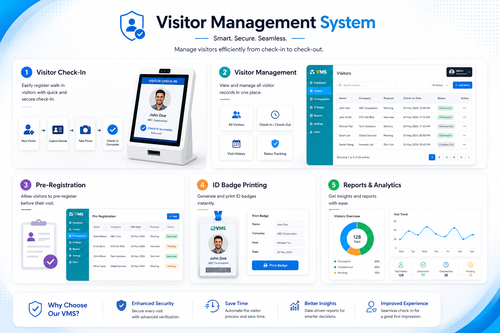
Upgrade Retail Chains with Visitor Management System Singapore: Smooth System Integration
Running a successful retail chain in Singapore requires managing numerous operational challenges, from customer flow to security protocols. One area that often gets overlooked is visitor management—yet it plays a critical role in ensuring smooth operations, maintaining security, and enhancing customer experience across all store locations. For retail chains operating multiple outlets, implementing a unified visitor management system can transform how you handle foot traffic, track store visits, and maintain consistent standards across your network.
In this article, we explore how a modern visitor management system can upgrade your retail chain operations and why smooth system integration is essential for Singapore retailers.
Understanding Visitor Management in Retail Chains
Visitor management goes beyond simply counting how many people enter your store. For retail chains, it encompasses tracking visitor patterns, managing access to restricted areas, maintaining security records, ensuring compliance with regulations, and gathering data that informs business decisions.
In Singapore’s competitive retail environment, where customer experience and operational efficiency are paramount, having a structured approach to visitor management is no longer optional. Retail chains need to:
- Monitor foot traffic across multiple locations
- Maintain accurate records of visitors for security and compliance purposes
- Streamline check-in processes to reduce queues and improve customer satisfaction
- Control access to staff-only or restricted areas
- Generate insights from visitor data to optimise store operations
Without a proper system in place, retailers often rely on manual processes—clipboard sign-ins, memory-based access control, or inconsistent procedures across stores. This creates inefficiencies, security gaps, and missed opportunities for data-driven decision-making.
Why Retail Chains Need Integrated Visitor Management Systems
Consistency Across Multiple Locations
Managing a retail chain means ensuring that standards, procedures, and security protocols are consistent across all outlets. A unified visitor management system enables centralised control while allowing individual stores to operate smoothly. When all locations use the same system, you gain:
- Standardised check-in procedures
- Consistent security protocols
- Centralised data for network-wide reporting
- Easier staff training and onboarding
Enhanced Security and Compliance
Singapore businesses must comply with various security and data protection regulations. A robust visitor management system helps you maintain detailed records of who visited which location and when—essential information for security audits, incident investigations, and regulatory compliance. This is particularly important if your retail chain handles sensitive areas, manages customer data, or operates in regulated sectors.
Improved Customer Experience
Long check-in queues frustrate customers and create negative first impressions. A modern visitor management system streamlines the check-in process, reducing wait times and enabling faster access to your stores. This is especially valuable during peak shopping periods when visitor volume is high.
Data-Driven Insights
When visitor data is collected systematically, it becomes a valuable business asset. Retail chains can analyse visitor patterns, peak traffic times, dwell times, and store performance metrics. These insights help optimise staffing levels, inventory management, and marketing strategies.
Common Challenges in Retail Chain Visitor Management
Manual and Time-Consuming Processes
Traditional visitor sign-in methods—paper logbooks, basic spreadsheets, or fragmented systems—are labour-intensive and prone to errors. Staff must spend time managing check-ins instead of focusing on customer service.
Inconsistent Data Quality
Without standardisation, different stores collect visitor information differently, making it difficult to generate accurate network-wide reports or identify trends across locations.
Security Vulnerabilities
Manual access control makes it harder to prevent unauthorised entry to restricted areas or to quickly identify potential security issues. If a visitor bypasses check-in procedures, there’s no reliable record of their presence.
Integration Challenges
Retail chains often use multiple systems—point-of-sale systems, security systems, HR platforms, and more. When visitor management operates in isolation, you lose opportunities for integration and efficiency gains. A system that doesn’t integrate smoothly with your existing technology stack creates additional work and reduces effectiveness.
Scalability Issues
As retail chains expand to new locations, adding more stores shouldn’t require completely redesigning your visitor management approach. A scalable system grows with your business.
How Smooth System Integration Transforms Retail Operations
The key to upgrading your retail chain is choosing a visitor management system that integrates smoothly with your existing infrastructure. Here’s how integration benefits your operations:
Centralised Dashboard and Reporting
An integrated system provides a single dashboard where managers can view visitor data from all store locations in real time. This enables quick decision-making and consistent oversight across your retail network.
Automated Workflows
When your visitor management system connects with other platforms, routine tasks become automated. For example, visitor check-in data can automatically populate security logs, notify relevant staff members, or trigger access control mechanisms without manual intervention.
Seamless Staff Training
Integration ensures that all staff members, regardless of which store they work at, follow the same visitor management procedures. Training is simpler when everyone uses an identical, intuitive system.
Better Data Accuracy
Automated data collection and integration reduce human error. Information flows directly from the check-in point to your records, eliminating transcription mistakes and ensuring data integrity.
Compliance Made Easier
When your visitor management system integrates with your security and compliance frameworks, maintaining regulatory compliance becomes more straightforward. Audit trails are automatically generated, and required records are systematically maintained.
Smart Touch Technology’s Visitor Management System for Retail Chains
Smart Touch Technology offers a web-based visitor management system designed to meet the needs of Singapore businesses, including retail chains with multiple locations. A web-based platform provides several advantages for retail operations:
- Accessible from any location with internet connectivity
- No complex on-site infrastructure required
- Easy updates and maintenance without disrupting store operations
- Scalable to support growing retail chains
- Centralised data management with real-time visibility
By implementing Smart Touch Technology’s visitor management system, retail chains can streamline check-in processes, maintain consistent security protocols across all locations, and generate actionable insights from visitor data. The platform is designed with integration in mind, helping your retail chain achieve smooth, efficient operations without the complications of fragmented systems.
To learn how this solution can be tailored to your retail chain’s specific requirements, explore full product details by clicking here: https://smartouch.com.sg/vms-visitor-management-system/
Best Practices for Implementing Visitor Management in Retail Chains
Start with Clear Objectives
Define what you want to achieve with visitor management—whether it’s improved security, better traffic insights, faster check-in, or compliance. Clear objectives guide system selection and implementation strategy.
Involve Store Managers and Staff
Those who use the system daily should have input into its selection and setup. Their feedback ensures the system is practical and addresses real operational challenges.
Plan for Integration
Before implementation, map out how the visitor management system will connect with your other platforms. Plan the data flows and integration points to ensure smooth operation.
Provide Comprehensive Training
Ensure all staff members receive proper training on using the system. Well-trained staff lead to higher adoption rates and better system utilisation across your retail chain.
Monitor and Optimise
After implementation, regularly review how the system is performing. Use the data and insights generated to optimise processes and make continuous improvements.
Conclusion
Upgrading your retail chain with a visitor management system is a strategic investment that improves security, enhances customer experience, and provides valuable operational insights. Smooth system integration is essential—it ensures your visitor management platform works seamlessly with your existing technology infrastructure, supporting efficient operations across all store locations.
For Singapore retail chains looking to modernise their operations, a web-based visitor management system offers the flexibility, scalability, and integration capabilities needed to succeed in today’s competitive environment. By choosing a solution designed for integration and built with retail operations in mind, you can transform visitor management from a manual, time-consuming task into a streamlined, data-driven process that supports your entire business.
Smart Touch technology pte ltd , www.smartouch.com.sg +65-63964767, sales@smartouch.com.sg , www.smartouch.com.my +607-3889903 sales@smartouch.com.my