Upgrade Retail Chains with Barrier Gate System Singapore: Smarter Resource Planning
Retail chains across Singapore face mounting pressure to optimise operations whilst managing costs effectively. One critical area that often goes overlooked is access control and vehicle management at loading docks, carparks, and restricted areas. A modern barrier gate system can transform how retail operations function, improving efficiency, security, and resource planning.
Whether you manage a single retail location or oversee multiple stores across the island, implementing a barrier gate system designed for retail environments offers tangible benefits that extend far beyond simple traffic control. This article explores how barrier gate systems support smarter resource planning for Singapore’s retail sector and why upgrading to an intelligent solution matters for your business.
Understanding Barrier Gate Systems in Retail Environments
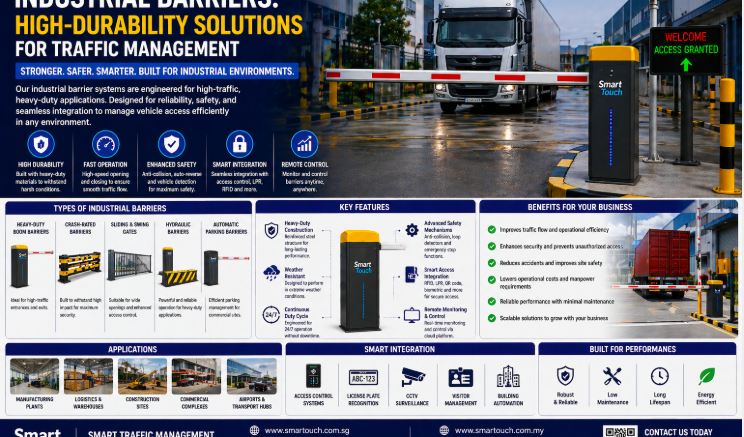
A barrier gate system is an access control solution that manages vehicle and personnel movement in and out of designated areas. In retail settings, these systems are typically installed at loading docks, staff carparks, delivery bays, and restricted storage areas.
Modern barrier gate systems go beyond simple manual operation. They integrate with access control technology, allowing for automated entry and exit based on authorised credentials, vehicle registration, or scheduled permissions. This automation is fundamental to improving resource planning and operational efficiency.
How Barrier Gates Support Retail Operations
For retail chains, a barrier gate system serves several operational functions:
- Delivery Management: Control and log incoming deliveries, ensuring goods arrive at designated times and are tracked systematically
- Staff Access: Regulate employee entry to restricted areas, particularly important for large retail spaces with multiple zones
- Security: Prevent unauthorised vehicle access to sensitive areas such as loading docks or storage facilities
- Data Recording: Maintain detailed logs of all vehicle movements for audit purposes and operational analysis
- Integration with Inventory Systems: Link barrier gate data with inventory management to synchronise goods receipt with stock records
The Resource Planning Challenge in Singapore Retail
Singapore’s retail sector operates in a highly competitive environment where margins are tight and efficiency is paramount. Retail chains manage complex supply chains, multiple staff shifts, and high inventory turnover across numerous locations.
Traditional manual barrier gate systems—or worse, no systematic access control—create several resource planning problems:
Common Operational Inefficiencies
Untracked Delivery Times: Without systematic logging, retail managers lack visibility into when deliveries actually occur. This makes it difficult to schedule staff, plan warehouse space, or synchronise inventory updates accurately.
Delayed Goods Processing: When delivery vehicles are delayed or stuck at barrier gates due to manual processing, it cascades through the entire supply chain. Staff waiting at loading docks, inventory updates delayed, and shop floor restocking falling behind—all stem from access control inefficiencies.
Resource Misallocation: Without data on delivery patterns and access frequency, retail managers cannot optimally schedule loading dock staff, security personnel, or warehouse team members. This leads to overstaffing during quiet periods and understaffing during peak delivery times.
Security and Compliance Gaps: Manual systems are prone to errors. Unauthorised vehicles may gain access, or legitimate access may be inconsistently applied, creating both security risks and compliance concerns.
How Barrier Gate Systems Improve Resource Planning
Real-Time Visibility and Data Collection
A modern barrier gate system provides real-time data on vehicle movements and access patterns. This information is crucial for resource planning because it reveals:
- Peak delivery times and frequencies
- Average processing times at barrier points
- Patterns in staff access and movement
- Compliance with access protocols
With this data, retail managers can make informed decisions about staffing levels, scheduling, and facility utilisation.
Automated Access Control
Automation reduces manual processing time dramatically. Authorised vehicles or personnel gain immediate access once credentials are verified, eliminating bottlenecks at barrier gates. This means:
- Deliveries move through access points faster
- Staff can access restricted areas without manual gate operations
- Loading dock operations run more smoothly and predictably
Synchronisation with Inventory Systems
When barrier gate systems integrate with inventory management platforms, goods receipt is logged automatically. This synchronisation ensures that inventory records reflect actual stock arrival, reducing discrepancies and improving stock accuracy across retail chains.
Predictive Scheduling and Optimisation
Historical data from barrier gate systems allows managers to forecast demand patterns. For example, if data shows that Mondays typically see 40% more deliveries than other weekdays, managers can staff loading docks accordingly. This data-driven approach eliminates guesswork and optimises resource allocation.
Practical Benefits for Singapore Retail Chains
Cost Efficiency
Reducing manual processing, minimising delivery delays, and optimising staff scheduling directly lower operational costs. Over time, these efficiencies accumulate into meaningful savings, particularly for retail chains managing multiple locations.
Improved Customer Service
When inventory systems are more accurate and goods are processed faster, retail shops have better stock availability. Customers find the products they want on shelves, leading to higher satisfaction and sales.
Enhanced Security and Compliance
Authorised access only, combined with comprehensive activity logs, ensures that retail assets are protected. For compliance purposes, having documented proof of who accessed restricted areas and when provides important audit trails.
Scalability for Multi-Location Operations
For retail chains with stores across Singapore, a centralised barrier gate system provides consistent access control and reporting across all locations. Managers can view operations at each site from a single dashboard, improving oversight and decision-making.
Smart Touch Technology’s Barrier Gate Solution
Smart Touch Technology offers barrier gate systems specifically designed to meet the needs of Singapore’s retail and commercial sectors. The solution combines reliable hardware with intelligent access control, providing the automation and data collection that modern retail operations require.
The barrier gate system from Smart Touch Technology integrates with existing security and access control infrastructure, making implementation straightforward for established retail chains. The system is designed for reliability, ensuring that operations continue smoothly throughout the day.
Key aspects of the solution include automated access management, comprehensive logging capabilities, and the ability to support multiple access methods. This flexibility allows retail chains to implement the exact access control protocols that suit their specific operational needs.
Implementation for Your Retail Chain
Whether you are a single-location retailer looking to improve your loading dock efficiency or a multi-store chain seeking to standardise access control across all sites, Smart Touch Technology can discuss your specific requirements and recommend an appropriate barrier gate configuration.
The implementation process is designed to minimise disruption to your retail operations, with installation typically completed during off-peak hours or scheduled downtime.
Planning Your Barrier Gate System Upgrade
If you are considering upgrading to a barrier gate system, start by assessing your current access control challenges. Ask yourself:
- How many vehicles access our facility daily?
- What are the peak times for deliveries and staff access?
- How long does manual barrier gate operation currently take?
- What data would help us schedule resources more effectively?
- Are there security or compliance gaps in our current system?
Answering these questions will help you define what your barrier gate system needs to accomplish and identify the return on investment.
Making the Decision
Upgrading to a modern barrier gate system is an investment in operational efficiency and resource planning. For Singapore retail chains, the benefits—improved cost control, better inventory accuracy, enhanced security, and optimised staffing—typically justify the investment within the first operational year.
The key is selecting a solution that matches your facility’s scale and complexity whilst providing the data and automation capabilities you need to plan resources effectively.
For more information about the product, please click here: https://smartouch.com.sg/barrier/
Conclusion
Barrier gate systems are far more than physical security tools—they are strategic assets for resource planning in retail environments. By automating access, collecting real-time operational data, and enabling synchronisation with inventory systems, a modern barrier gate system transforms how retail chains manage their facilities and supply chains.
For Singapore retailers seeking to improve efficiency, reduce costs, and maintain security, upgrading to an intelligent barrier gate system represents a practical, measurable step forward. Whether you manage a single location or oversee a chain of stores, the operational and financial benefits of modern access control are significant and achievable.
Smart Touch technology pte ltd , www.smartouch.com.sg +65-63964767, sales@smartouch.com.sg , www.smartouch.com.my +607-3889903 sales@smartouch.com.my