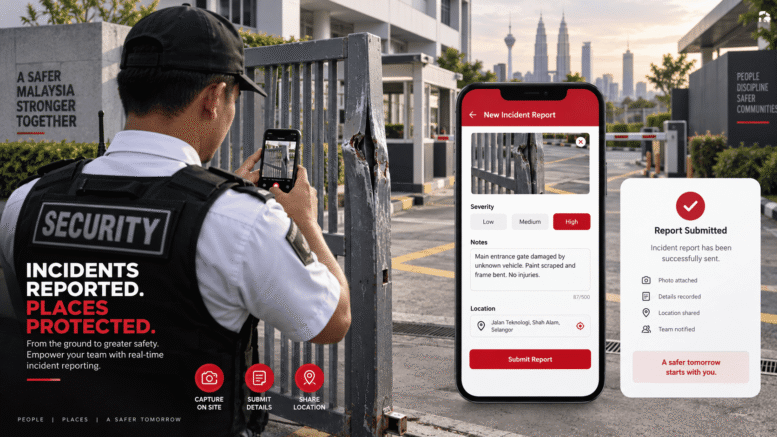
Guard Patrol System Singapore Solutions for Mobile Field Teams: 2026 Buyer’s Guide
Managing security operations across multiple locations presents significant challenges for organisations in Singapore. Whether you oversee a retail network, industrial facility, logistics hub, or multi-site commercial property, coordinating guard patrols efficiently while maintaining accountability and compliance is increasingly complex. Mobile field teams need real-time oversight, clear communication channels, and documented proof of patrol completion—yet many organisations still rely on outdated methods like paper logs and manual check-ins.
In 2026, modern guard patrol systems have become essential infrastructure for businesses serious about operational efficiency and security management. This guide explores what to look for in a guard patrol system and how the right solution can transform your field operations.
Why Guard Patrol Systems Matter for Singapore Businesses
Security operations in Singapore must meet strict standards for accountability and documentation. Regulators, insurance providers, and clients increasingly expect organisations to demonstrate that patrols are happening as scheduled and that guards are covering designated areas systematically.
A modern guard patrol system addresses several critical business needs:
- Real-time visibility into patrol activities across all locations
- Automated documentation and audit trails for compliance purposes
- Improved response times when issues are detected during patrols
- Reduced administrative burden on management staff
- Enhanced accountability for both guards and supervisors
- Better resource allocation based on actual patrol data
Without proper patrol management systems, organisations face risks including undetected security breaches, compliance gaps, liability exposure, and wasted resources on inefficient processes.
Common Challenges in Traditional Patrol Management
Many Singapore organisations continue using manual or semi-manual approaches to patrol management. While these methods may have worked previously, they create several ongoing problems.
Paper-Based Documentation Issues
Guard logs maintained on paper are susceptible to damage, loss, and inconsistency. Information recorded hours or days after patrols may lack accuracy. When you need to investigate an incident or demonstrate compliance, retrieving relevant patrol records becomes time-consuming and unreliable.
Lack of Real-Time Visibility
Without digital tracking, supervisors cannot verify whether patrols are actually occurring as scheduled. Guards may skip areas, arrive late, or fail to complete designated routes. Management only discovers these issues when problems arise or during irregular spot-checks.
Inefficient Communication
Manual reporting systems create delays in communicating patrol findings or issues. If a guard discovers a problem, getting that information to the right decision-maker can take hours. This delay increases risk and reduces the organisation’s ability to respond effectively.
Administrative Overhead
Consolidating patrol information from multiple guards, multiple locations, and multiple shifts requires substantial administrative effort. Staff spend time manually organising data instead of analysing it for operational improvements.
Compliance and Audit Difficulties
Singapore regulations and client contracts often require documented evidence of patrol compliance. Paper records are difficult to audit, and gaps are easily overlooked. This creates liability exposure for organisations.
What to Look for in a Guard Patrol System
When evaluating guard patrol solutions for your organisation, consider these essential features and capabilities.
Mobile-First Design for Field Teams
Your guards spend most of their time in the field, not at a desk. A modern patrol system should be optimised for mobile devices, allowing guards to check in, record observations, and report issues using smartphones or tablets. The interface should be intuitive, requiring minimal training.
Real-Time Location and Activity Tracking
The system should provide supervisors with live visibility into guard locations and patrol status. This allows you to verify that patrols are occurring on schedule and in the right locations. Real-time alerts can notify you if a guard misses a checkpoint or deviates from their assigned route.
Checkpoint and Route Management
You should be able to define specific locations (checkpoints) that guards must visit during their patrols. The system should allow flexible route creation for different shifts, locations, or seasonal variations. Guards should receive clear instructions about which checkpoints to visit and in what order.
Digital Documentation and Evidence Capture
Guards should be able to photograph issues, record notes, and document conditions during patrols. This creates an immediate digital record that cannot be lost, damaged, or altered. Evidence is timestamped and linked to specific locations and guards.
Automated Reporting and Analytics
The system should generate automated reports showing patrol completion rates, response times, incident frequencies, and other key metrics. Analytics help you identify trends, optimise routes, and demonstrate compliance to auditors or clients.
Integration with Existing Systems
Your patrol system should work alongside your existing security infrastructure, access control systems, and communication tools. Poor integration creates data silos and forces guards to use multiple systems.
Compliance and Audit Capabilities
The system should automatically maintain detailed logs and audit trails. You should be able to generate compliance reports quickly and provide clear evidence of patrol activities to regulators, insurance providers, or clients.
How Smart Touch Guard Patrol System Addresses These Needs
Smart Touch Technology Singapore offers a comprehensive guard patrol system designed specifically for mobile field teams. The solution is built to streamline patrol operations, improve oversight, and simplify compliance documentation.
The Smart Touch guard patrol system enables guards to conduct patrols using mobile devices with clear checkpoint visibility and route guidance. Supervisors gain real-time visibility into patrol progress and can immediately identify if patrols are missed or delayed. The system automatically documents all patrol activities, creating timestamped records that satisfy compliance requirements.
By centralising patrol data and automating reporting, the solution reduces administrative burden on your management team. You can quickly generate reports showing patrol completion, identify patterns or issues, and make data-driven decisions about resource allocation and process improvements.
For organisations in Singapore managing multiple locations or complex patrol requirements, the Smart Touch guard patrol system provides the transparency and accountability needed for modern security operations.
Implementation Considerations for Singapore Organisations
Before deploying a guard patrol system, consider these practical factors.
Scalability Across Multiple Locations
Choose a system that scales easily as your organisation grows. If you operate across multiple facilities in Singapore, the system should handle additional locations, guards, and checkpoint definitions without performance degradation.
Training and User Adoption
Even excellent technology requires proper training. Ensure your provider offers comprehensive training for guards and supervisors. Mobile-first systems should be intuitive enough that guards can adopt them quickly.
Data Security and Privacy
Patrol systems collect location data and potentially sensitive site information. Verify that your provider implements appropriate security measures and complies with Singapore’s Personal Data Protection Act (PDPA) requirements.
Mobile Connectivity Requirements
Consider the mobile connectivity available at your locations. Some areas may have limited coverage, so the system should function effectively with variable connectivity. Offline capability allows guards to continue patrols even if signals are temporarily lost.
Integration with Your Existing Workflow
Assess how the patrol system will integrate with your existing security operations, communication channels, and reporting processes. Minimal disruption to existing workflows increases adoption and reduces implementation friction.
Best Practices for Guard Patrol System Deployment
Successful implementation goes beyond simply installing software. Consider these best practices.
Define Clear Patrol Routes and Checkpoints—Work with your security team to identify all locations that must be patrolled and establish logical routes. Ensure guards understand the reasoning behind these requirements.
Set Realistic Expectations and Timelines—Allow time for guards to adapt to digital processes. Early resistance is normal; consistent support and training help overcome it.
Monitor Key Metrics from the Start—Use the system to identify actual patrol patterns and adjust as needed. Data-driven improvements typically yield better results than assumptions.
Maintain Regular Communication—Keep guards informed about how their patrol data is being used and what improvements result from the system. This builds trust and motivation.
Review and Refine Processes Regularly—Use reports and analytics to identify bottlenecks or inefficiencies. Continuous improvement keeps the system aligned with your actual operational needs.
The Business Case for Modern Patrol Systems
Investing in a guard patrol system generates measurable returns for most Singapore organisations. Improved accountability reduces security incidents. Automated documentation reduces compliance-related stress and liability exposure. Operational efficiency means guards can cover more ground effectively without extending working hours. Better data supports strategic decisions about where to allocate security resources.
Perhaps most importantly, a modern patrol system demonstrates to stakeholders—whether clients, regulators, or insurance providers—that your organisation takes security management seriously and operates with the professionalism expected in 2026.
Getting Started with a Guard Patrol System
If you’re considering implementing a guard patrol system for your organisation, start by assessing your current challenges. Are you struggling with patrol verification? Finding it difficult to maintain compliance documentation? Spending excessive administrative time consolidating patrol reports?
Need more information about the product? Click here to learn more about Smart Touch’s guard patrol system and how it can address your mobile field team management needs.
Conclusion
Guard patrol systems have become standard infrastructure for professional security operations in Singapore. Modern solutions provide real-time visibility into patrol activities, automate documentation, reduce administrative burden, and simplify compliance reporting. The challenges of managing mobile field teams effectively are better addressed with digital tools than manual processes.
As you evaluate options for 2026 and beyond, prioritise systems designed specifically for mobile field operations, offering real-time tracking, flexible checkpoint management, and robust reporting capabilities. The right solution will transform your patrol management from a compliance burden into a strategic asset.
Smart Touch technology pte ltd , www.smartouch.com.sg +65-63964767, sales@smartouch.com.sg , www.smartouch.com.my +607-3889903 sales@smartouch.com.my