Introduction: Modernising Canteen Operations in Singapore
Canteens in schools and offices across Singapore face mounting operational challenges. Manual payment systems create bottlenecks during peak meal times, cash handling introduces security risks, and attendance tracking remains labour-intensive. As organisations strive to enhance efficiency and improve the employee and student experience, the demand for smarter canteen solutions has never been greater.
Face recognition technology offers a transformative approach to these longstanding problems. By automating payment and identification processes, schools and offices can streamline operations, reduce waiting times, and create a more seamless dining experience. This technology is particularly valuable in Singapore’s fast-paced business and education environments, where time efficiency and operational excellence are paramount.
In this article, we explore how face recognition canteen systems work, the benefits they deliver, and why they represent a practical investment for Singapore organisations looking to modernise their food service operations.
Understanding Face Recognition Canteen Technology
How It Works
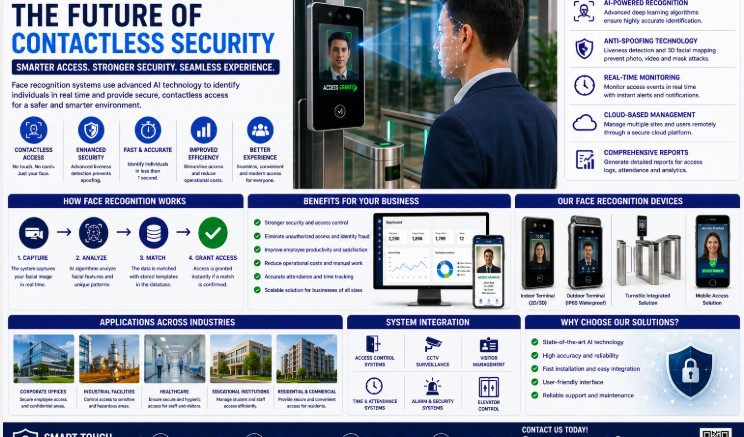
Face recognition canteen systems use biometric technology to identify individuals and process transactions automatically. When a student or employee approaches the canteen counter, the system captures their facial image, matches it against a registered database, and either deducts from a pre-loaded account or charges a linked payment method. The entire process takes just seconds, eliminating the need for physical payment cards, cash, or manual authentication.
The system operates through a combination of cameras, facial recognition software, and backend account management. Integration with existing canteen point-of-sale systems allows organisations to maintain accurate records of transactions, inventory, and dietary preferences. Data is processed securely and stored in compliance with relevant data protection requirements.
Core Features
Effective face recognition canteen systems typically include:
- Real-time facial identification and verification
- Automatic transaction processing and payment deduction
- Digital account management for students and employees
- Transaction history and reporting capabilities
- Integration with existing canteen operations and systems
- User-friendly interfaces for account setup and management
Benefits for Schools in Singapore
Improved Operational Efficiency
Schools managing hundreds or thousands of students benefit significantly from streamlined canteen operations. Face recognition eliminates the time spent on manual payment processing, reducing queue lengths during busy meal periods. This allows canteen staff to focus on food preparation and service quality rather than handling cash and managing transactions.
Enhanced Financial Control
Schools can implement spending limits, dietary restrictions, and parental controls through digital account management. Parents gain visibility into their child’s canteen spending and can fund accounts through a centralised system. This reduces the circulation of cash on campus, minimising theft and loss.
Valuable Operational Data
Schools receive detailed insights into meal preferences, peak usage times, and dietary trends. This data supports better meal planning, inventory management, and nutritional decision-making. Reports can help identify opportunities to introduce healthier options or adjust menu offerings based on actual student choices.
Contactless and Hygienic Operations
Particularly relevant since the COVID-19 pandemic, face recognition eliminates the need for physical contact during transactions. This reduces touchpoints and supports health and safety protocols that many Singapore schools prioritise.
Benefits for Offices in Singapore
Streamlined Employee Experience
Office workers benefit from faster canteen service, allowing them to maximise their break time and return to work promptly. Reduced queuing times improve employee satisfaction and contribute to a positive workplace culture. The convenience of contactless, frictionless transactions is particularly valued in Singapore’s competitive corporate environment.
Simplified Account Management
Employees can easily manage digital accounts, view transaction histories, and set spending preferences. HR departments can administer allowances or subsidies directly through the system, reducing administrative workload and ensuring accurate allocation of benefits.
Attendance and Analytics
Organisations gain insights into canteen usage patterns, which can inform cafeteria operations, staffing decisions, and cost management. Some organisations use this data to understand employee presence and movement patterns, supporting office management and resource planning.
Security and Accountability
Eliminating cash from canteen operations reduces theft and loss. Every transaction is recorded and traceable, providing clear audit trails and supporting financial accountability. This is particularly important for organisations with strict compliance and governance requirements.
Addressing Common Canteen Operational Challenges
Peak Time Congestion
Long queues during lunch periods frustrate users and reduce canteen throughput. Face recognition dramatically speeds up transactions, allowing more students or employees to be served within the same time window.
Cash Handling and Security Risks
Managing cash in high-volume canteen environments creates security vulnerabilities, administrative complexity, and reconciliation challenges. Digital transactions eliminate these risks entirely.
Lost or Forgotten Payment Cards
Traditional card-based systems require students or employees to carry physical cards, which are frequently lost or forgotten. Face recognition removes this dependency, ensuring individuals can always access their accounts using their unique biometric identifier.
Administrative Overhead
Manual transaction records, account reconciliation, and reporting consume significant staff time. Automated systems generate real-time data and reports, freeing staff to focus on core canteen operations.
How Smart Touch Technology Singapore Can Help
Smart Touch Technology Singapore offers a comprehensive canteen solution that addresses these operational challenges through face recognition and digital payment integration. The system is designed specifically for Singapore organisations and supports seamless integration with existing canteen infrastructure and point-of-sale systems.
Smart Touch’s canteen solution enables schools and offices to implement secure, efficient, and user-friendly biometric payment systems. The platform provides digital account management, transaction reporting, and operational analytics tailored to the needs of Singapore schools and workplaces. By leveraging face recognition technology, organisations can transform their canteen experience, reduce operational friction, and improve user satisfaction.
The system is built with data security and compliance in mind, protecting user information while delivering the operational benefits that modern Singapore organisations require. Implementation is straightforward, with support provided to ensure smooth deployment and staff training.
Key Considerations for Implementation
User Privacy and Data Protection
Organisations must ensure that facial recognition systems comply with relevant data protection and privacy requirements. Users should be informed about data collection, storage, and usage. Opt-out options and clear data retention policies should be established. Consulting with relevant authorities and legal advisors is recommended to understand all applicable requirements in your specific context.
Initial Investment and ROI
While face recognition systems require upfront investment in hardware, software, and infrastructure, the operational efficiencies, reduced cash handling, and improved user experience typically deliver strong return on investment over time. Schools and offices should assess their specific needs and usage patterns to determine payback timelines.
Staff Training and Change Management
Successful implementation requires adequate staff training and clear communication with users. Canteen staff need to understand system operation, troubleshooting, and user support. Students and employees benefit from clear guidance on how to use the system and manage their accounts.
System Reliability and Support
Canteen systems must operate reliably during peak usage periods. Organisations should select providers offering robust technical support, system maintenance, and contingency planning to minimise service disruptions.
Conclusion
Face recognition canteen systems represent a practical and valuable investment for Singapore schools and offices seeking to modernise their food service operations. By automating payment processing, improving efficiency, enhancing security, and reducing administrative overhead, these systems deliver tangible benefits to both organisations and users.
The technology addresses longstanding operational challenges while aligning with Singapore’s broader digital transformation agenda. Schools can improve financial control and gain valuable insights into student preferences. Offices can enhance employee experience and streamline administrative processes. Both benefit from reduced security risks and more reliable operations.
For organisations considering this technology, Smart Touch Technology Singapore offers a comprehensive solution tailored to Singapore’s specific needs and regulatory environment. Whether you manage a school canteen serving hundreds of students daily or an office cafeteria supporting your workforce, face recognition technology can deliver measurable improvements in efficiency, security, and user satisfaction.
Smart Touch technology pte ltd , www.smartouch.com.sg +65-63964767, sales@smartouch.com.sg , www.smartouch.com.my +607-3889903 sales@smartouch.com.my