Introduction to Hospital Access Control Systems
In modern healthcare environments, security is not just a priority—it is a necessity. Hospitals operate 24/7, accommodating patients, medical staff, visitors, and sensitive equipment. Managing access across multiple departments while ensuring safety and compliance requires a sophisticated solution. This is where an Access Control System for Hospital becomes essential.
Our approach to hospital access control focuses on delivering seamless, secure, and intelligent solutions that protect patients, staff, and critical assets. By integrating advanced technologies, hospitals can ensure controlled access, prevent unauthorized entry, and maintain a safe healthcare environment.
To explore a complete solution for secure access management, visit: https://smartouch.com.sg/door-access-control-system/
What is an Access Control System for Hospital?
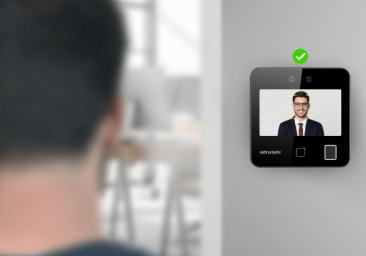
An access control system is a security framework that regulates who can enter specific areas within a hospital. It uses authentication methods such as:
- Keycards or RFID badges
- Biometric verification (fingerprint, facial recognition)
- PIN codes or mobile credentials
These systems allow hospitals to restrict access to sensitive zones like operating rooms, pharmacies, laboratories, and data centers while maintaining smooth movement in public areas.
Why Hospitals Need Advanced Access Control Systems
1. Protecting Patients and Staff
Hospitals must ensure the safety of vulnerable patients and healthcare professionals. Access control systems help:
- Prevent unauthorized entry into restricted areas
- Control visitor access and movement
- Enhance emergency response capabilities
By implementing a robust system, hospitals create a secure environment where care can be delivered without risk.
2. Safeguarding Sensitive Data and Equipment
Hospitals store highly confidential patient records and expensive medical equipment. Access control systems:
- Restrict access to data centers and record rooms
- Protect pharmaceutical storage areas
- Prevent theft and misuse of medical devices
This ensures compliance with healthcare regulations and data protection standards.
3. Improving Operational Efficiency
Manual security processes can be time-consuming and prone to error. Automated access control systems:
- Reduce administrative workload
- Enable real-time monitoring
- Provide detailed access logs
Our solutions streamline hospital operations while maintaining high security standards.
Key Features of Hospital Access Control Systems
Centralized Management
A unified platform allows administrators to manage access permissions across the entire facility. This ensures consistency and simplifies system control.
Role-Based Access Control
Different roles require different levels of access. For example:
- Doctors may access operating rooms and labs
- Nurses may access patient wards
- Visitors are limited to designated areas
This structured approach enhances both security and efficiency.
Real-Time Monitoring and Alerts
Access control systems provide instant notifications for:
- Unauthorized access attempts
- Door breaches
- Suspicious activities
This allows security teams to respond immediately to potential threats.
Integration with Other Security Systems
Modern systems integrate seamlessly with:
- CCTV surveillance
- Fire alarm systems
- Building management systems
This creates a comprehensive security ecosystem within the hospital.
Applications of Access Control Systems in Hospitals
Emergency Rooms and ICUs
Access must be strictly controlled to ensure only authorized medical personnel can enter critical care areas.
Pharmacies and Drug Storage
Controlled access prevents misuse of medications and ensures compliance with regulations.
Laboratories
Sensitive research and diagnostic areas require restricted entry to maintain safety and accuracy.
Administrative Offices
Protecting confidential patient data is crucial, making access control essential for administrative zones.
Parking and Entry Points
Managing vehicle and pedestrian access improves overall hospital security and traffic flow.
Benefits of Implementing Access Control Systems in Hospitals
Enhanced Security
Hospitals can prevent unauthorized access and reduce security risks significantly.
Improved Patient Privacy
By restricting access to patient records and treatment areas, hospitals maintain confidentiality and trust.
Audit Trails and Compliance
Detailed logs of entry and exit help hospitals comply with healthcare regulations and audits.
Scalability
Access control systems can be expanded as the hospital grows, ensuring long-term usability.
Contactless Access for Hygiene
In a healthcare setting, minimizing physical contact is crucial. Modern systems support:
- Facial recognition
- Mobile access credentials
This reduces the risk of infection transmission.
Future Trends in Hospital Access Control Systems
Biometric Authentication
Biometric technologies are becoming more accurate and widely adopted, enhancing security and convenience.
Cloud-Based Access Control
Cloud solutions allow remote management and real-time updates, improving flexibility and scalability.
AI-Powered Security
Artificial intelligence can analyze access patterns and detect anomalies, providing proactive security measures.
Integration with Smart Healthcare Systems
Access control systems are increasingly integrated with hospital management systems, enabling smarter and more efficient operations.
Choosing the Right Access Control System for Hospital
When selecting a system, hospitals should consider:
- Reliability and uptime
- Ease of integration with existing infrastructure
- User-friendly interface
- Strong technical support
Our solutions are designed to meet the demanding requirements of healthcare environments, ensuring security, efficiency, and compliance.
Discover a reliable and advanced solution here: https://smartouch.com.sg/door-access-control-system/
Conclusion: Securing the Future of Healthcare Facilities
The implementation of an Access Control System for Hospital is a critical step toward ensuring safety, efficiency, and compliance in modern healthcare facilities. As hospitals continue to evolve, the need for intelligent and scalable security solutions becomes increasingly important.
By adopting advanced access control technologies, we empower healthcare institutions to:
- Protect patients and staff
- Secure sensitive data and equipment
- Improve operational workflows
- Meet regulatory requirements
Investing in a robust access control system is not just about security—it is about building a safer, smarter, and more efficient healthcare environment for the future.
Smart Touch technology pte ltd , www.smartouch.com.sg +65-63964767, sales@smartouch.com.sg , www.smartouch.com.my +607-3889903 sales@smartouch.com.my