Automated CoreTrade Deployment System for Contractors: Streamlining Operations in Singapore
For contractors operating in Singapore’s fast-paced construction and service industries, deployment efficiency can make or break project success. Managing teams, tracking resources, and coordinating field operations across multiple locations demands systems that are reliable, responsive, and easy to use. Manual deployment processes—spreadsheets, phone calls, and paper-based scheduling—create bottlenecks, increase errors, and waste valuable time that contractors could invest in growing their business.
An automated CoreTrade deployment system addresses these challenges by centralising deployment operations, reducing manual work, and giving contractors real-time visibility into their workforce and resource allocation. For Singapore-based contractors and their teams, this means faster project turnarounds, better resource utilisation, and improved operational control.
This article explores how an automated deployment system works, why it matters to Singapore contractors, and how it can transform the way your organisation manages field operations.
Understanding CoreTrade Deployment in the Contractor Context
CoreTrade deployment refers to the process of assigning and managing contractors, workers, equipment, and resources to specific job sites or projects. In Singapore’s construction, maintenance, electrical, plumbing, and service contracting sectors, this process involves multiple moving parts: coordinating skilled personnel, tracking equipment availability, managing schedules, and ensuring compliance with project timelines.
Traditionally, many contractors relied on manual methods to handle deployment. Team leaders would receive instructions via phone or email, schedules would be managed in spreadsheets, and real-time updates about job progress or resource availability would come through informal channels. While this approach might work for small operations, it quickly becomes unmanageable as contractors scale their business and take on more complex projects.
An automated CoreTrade deployment system replaces these fragmented processes with a structured, technology-driven approach that centralises information and automates routine tasks.
Key Challenges in Manual Deployment Processes
Before exploring solutions, it’s important to understand the specific problems that manual deployment creates for Singapore contractors:
Time-Consuming Scheduling
Creating and updating deployment schedules manually takes significant administrative time. Each schedule change requires multiple communications, and ensuring all team members receive updated information can be slow and error-prone.
Resource Conflicts and Inefficiency
Without a centralised system, it’s easy to accidentally double-book contractors or assign the wrong personnel to projects. This leads to wasted capacity, project delays, and dissatisfied clients.
Lack of Real-Time Visibility
Manual systems provide limited insight into current deployment status. Managers often don’t know where their teams are, whether they’re on schedule, or if issues have arisen until after the fact.
Compliance and Reporting Difficulties
Tracking contractor hours, skills certifications, and compliance requirements across multiple deployments becomes tedious and error-prone when managed manually. This creates risks for Singapore contractors who must meet industry standards and client requirements.
Scalability Issues
As contractors take on more projects and expand their teams, manual processes become increasingly difficult to manage, making growth harder to achieve.
How an Automated Deployment System Works
An automated CoreTrade deployment system centralises deployment management by bringing all relevant information—team availability, project requirements, equipment, schedules, and skills—into a single platform. The system then automates the process of matching resources to projects and managing the deployment lifecycle.
Centralised Data Management
The system maintains a comprehensive database of all contractors, their skills, certifications, availability, and equipment. This single source of truth ensures accurate information is always accessible to authorised personnel.
Automated Matching and Scheduling
When a new project or job arises, the system automatically identifies which contractors have the right skills, availability, and certification to fulfil the assignment. This eliminates time spent manually searching through contact lists and checking availability.
Real-Time Tracking and Updates
Once deployments are assigned, the system provides ongoing visibility into deployment status. Managers can see which teams are on-site, track progress, and receive alerts if issues occur.
Automated Compliance Monitoring
The system tracks important details like certification expiry dates, safety training completion, and compliance requirements, flagging issues before they become problems.
Benefits for Singapore Contractors
An automated deployment system delivers tangible advantages that directly impact contractor profitability and operational efficiency:
Faster Deployment Decisions
What might take hours of coordination manually can happen in minutes with an automated system. This allows contractors to respond quickly to new opportunities and client requests.
Improved Resource Utilisation
By automatically matching contractors to the most appropriate projects based on their skills and availability, the system reduces idle time and maximises productive work hours. This improves project margins and contractor earnings.
Reduced Administrative Burden
Automating routine scheduling and assignment tasks frees up administrative staff to focus on higher-value activities like client relations and operational strategy.
Enhanced Accountability and Transparency
With real-time tracking and comprehensive audit trails, all stakeholders—contractors, managers, and clients—have clear visibility into who is working where and when. This transparency builds trust and supports better decision-making.
Better Compliance Management
Automated tracking of certifications, safety requirements, and compliance deadlines reduces the risk of regulatory violations and protects the contractor’s reputation in Singapore’s regulated industries.
Scalability Without Proportional Cost Increases
As contractors grow and take on more projects, an automated system allows them to manage increased complexity without proportionally increasing administrative overhead. This supports sustainable growth.
Practical Applications in Singapore Industries
Different contractor sectors benefit from automated deployment in distinct ways:
Construction and Maintenance Contractors: Rapidly deploy teams to multiple sites, manage equipment assignments, and track compliance with site safety requirements.
Electrical and Plumbing Contractors: Quickly match certified technicians to client calls, manage job scheduling, and ensure all work complies with Singapore’s building and electrical standards.
Facilities Management Contractors: Coordinate large teams across multiple client locations, manage shift patterns, and maintain clear records of service delivery.
Security and Safety Service Providers: Deploy personnel to sites with precision, manage shift patterns, and maintain compliance with security and training requirements.
How Smart Touch Technology Singapore Can Help
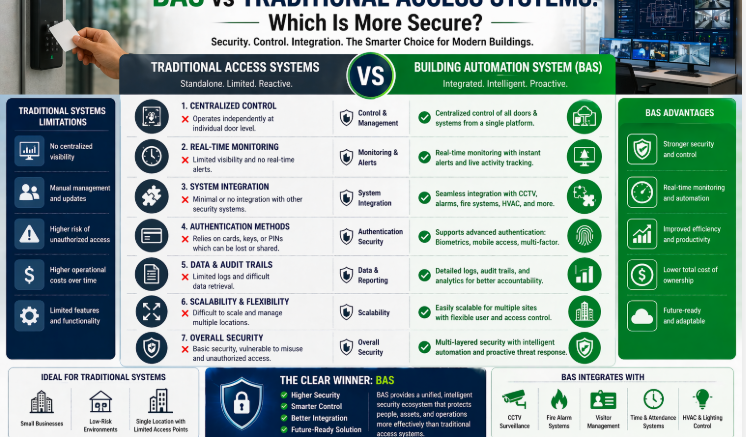
Smart Touch Technology Singapore provides the BAS (Building Automation System) platform, which includes an Automated CoreTrade Deployment System specifically designed for contractors operating in Singapore. The BAS platform streamlines the entire deployment workflow, from initial resource planning through to completion and reporting.
The system enables contractors to centralise all deployment information in one location, automate routine scheduling tasks, and gain real-time visibility into their workforce and resources. By reducing manual work and improving coordination, the BAS platform helps Singapore contractors operate more efficiently, serve clients better, and grow their business with confidence.
For contractors ready to modernise their operations and eliminate the inefficiencies of manual deployment management, the BAS platform offers a proven solution tailored to the Singapore business environment.
Learn more about this product—click here.
Conclusion
Manual CoreTrade deployment processes create significant challenges for growing contractors in Singapore: wasted time, resource conflicts, compliance risks, and limited visibility. An automated deployment system addresses each of these issues by centralising information, automating routine tasks, and providing real-time operational visibility.
For Singapore contractors looking to improve efficiency, reduce administrative burden, and support growth, implementing an automated CoreTrade deployment system is a practical investment. It allows teams to focus on delivering excellent work to clients while the system handles the coordination and tracking behind the scenes.
If you’d like to explore how an automated deployment system can benefit your contracting business, Smart Touch Technology Singapore’s BAS platform is designed to meet the specific needs of Singapore contractors. Reach out to learn more about how this solution can transform your operations.
Smart Touch technology pte ltd , www.smartouch.com.sg +65-63964767, sales@smartouch.com.sg , www.smartouch.com.my +607-3889903 sales@smartouch.com.my