In today’s fast-paced business environment, Singapore organisations face increasing pressure to streamline operations, reduce costs, and improve efficiency. The modern workplace demands solutions that seamlessly integrate hardware and software to create a cohesive, intelligent ecosystem. Automated workplace systems have become essential for businesses across Singapore, from multinational corporations to local enterprises, as they seek competitive advantages and operational excellence.
Workplace automation isn’t just a technology trend—it’s a business necessity. When hardware and software work together intelligently, organisations can eliminate manual processes, reduce human error, reduce operational overhead, and free up employees to focus on higher-value work. For Singapore businesses competing in a global marketplace, automation can be the difference between thriving and merely surviving.
What Is Automated Workplace Hardware & Software?
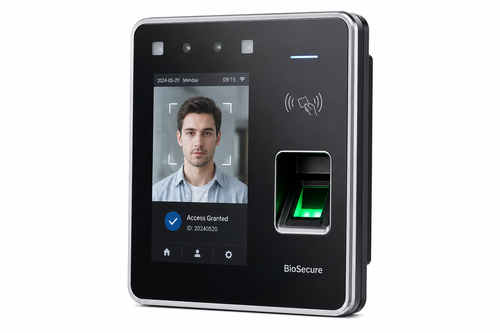
Automated workplace hardware and software refers to integrated systems that combine physical devices with intelligent software to automate routine business processes. These systems work together to manage everything from access control and attendance tracking to data processing and facility management.
In a practical sense, this means:
- Physical devices—such as smart card readers, biometric scanners, or touchscreen terminals—capture data in real-time
- Software systems process this data automatically, without manual intervention
- Workflows execute based on predefined rules and logic
- Employees and managers receive instant insights and reporting
- Systems adapt and improve as they learn from workplace patterns
The integration of hardware and software creates a unified platform that reduces friction, improves accuracy, and enables data-driven decision-making across your organisation.
Why Singapore Businesses Need Workplace Automation
Increasing Labour Costs
Singapore’s business landscape is characterised by high labour costs and a competitive talent market. Automating routine, repetitive tasks allows your workforce to focus on strategic, creative, and customer-facing activities that generate greater value. This improves productivity per employee and helps justify salary investments in your team.
Rising Compliance and Regulatory Requirements
Singapore organisations must maintain accurate records for employment, safety, financial, and operational compliance. Manual record-keeping introduces errors, creates audit risks, and consumes administrative resources. Automated systems ensure consistent, auditable record-keeping that meets regulatory expectations and reduces compliance risk.
Pressure to Scale Efficiently
As Singapore businesses grow, scaling operations manually becomes increasingly impractical. Automated systems can handle growing transaction volumes, additional locations, and more complex workflows without proportional increases in administrative staff. This enables profitable growth.
Employee Expectations for Modern Workplaces
Singapore’s workforce, particularly younger professionals and tech-savvy employees, expects modern, efficient, frictionless workplace systems. Outdated manual processes frustrate talented employees and damage your employer brand. Automated, intelligent systems create a contemporary workplace experience that attracts and retains top talent.
Key Benefits of Integrated Workplace Automation
Operational Efficiency
Automated workflows eliminate bottlenecks, reduce processing times, and minimise delays. Tasks that previously required hours of manual effort can now be completed in seconds. This efficiency cascades through your organisation, improving overall productivity and enabling faster business decisions.
Improved Accuracy and Data Quality
Manual data entry is inherently error-prone. Automated systems capture data consistently and accurately at the point of activity, reducing transcription errors, duplicate records, and data corruption. Higher data quality enables better reporting, analysis, and decision-making.
Enhanced Security and Access Control
Automated hardware and software solutions provide granular control over facility access, system permissions, and sensitive information. You can enforce security policies consistently, track access events in real-time, and respond quickly to security incidents. For Singapore organisations handling confidential data, this is particularly important.
Better Visibility and Reporting
Automated systems generate real-time data and dashboards that provide visibility into operations as they happen. Rather than waiting for monthly reports compiled from manual records, managers can see current performance metrics, identify bottlenecks, and make informed decisions immediately.
Cost Reduction
By reducing manual labour requirements, minimising errors that require rework, and improving resource allocation, automated systems directly reduce operational costs. Over time, these savings often exceed the investment in the automation platform itself.
Scalability Without Proportional Cost Increases
Adding new locations, processes, or users to an automated system costs far less than hiring additional staff to manage those activities manually. This scalability is crucial for Singapore organisations planning growth or expansion.
Common Workplace Challenges Addressed by Automation
Attendance and Time Management
Manual timesheets are unreliable and create disputes between employees and management. Automated biometric or card-based attendance systems provide objective records, calculate overtime accurately, and integrate with payroll systems. Disputes diminish when records are objective and automated.
Access Control and Security
Maintaining physical security while allowing legitimate access is complex. Automated access control systems replace keys and keycards with intelligent systems that log every access event, enable remote lock/unlock capabilities, and can be adjusted instantly when employees leave or change roles.
Visitor Management
Tracking and managing visitors manually is time-consuming and creates security gaps. Automated visitor management systems streamline check-in, print badges, notify hosts automatically, and maintain security records with minimal administrative effort.
Document and Information Management
Paper-based processes are slow, error-prone, and difficult to audit. Automated document capture and management systems digitise workflows, enforce approvals automatically, maintain audit trails, and make information instantly retrievable.
Facility Management
Managing meeting rooms, parking, desk allocation, and facility maintenance manually creates inefficiencies and underutilisation. Automated systems provide visibility into facility usage, enable self-service bookings, and optimise resource allocation.
How Smart Touch Technology Can Help
Smart Touch Technology Singapore offers integrated hardware and software solutions designed specifically for Singapore businesses. Rather than cobbling together disparate systems from different vendors, Smart Touch provides cohesive, purpose-built automation platforms that address the specific challenges Singapore organisations face.
Smart Touch’s approach focuses on practical, implementable solutions that deliver genuine business value. The company understands Singapore’s business environment, regulatory landscape, and operational challenges. By choosing Smart Touch, you’re partnering with a provider who understands your local context and can tailor solutions accordingly.
Whether you’re looking to automate access control, attendance management, visitor processes, or other workplace functions, Smart Touch Technology provides the hardware and software integration necessary to streamline operations and improve business performance.
Getting Started with Workplace Automation
Implementing automated workplace systems doesn’t require overhauling your entire organisation at once. Successful implementations typically follow a phased approach:
- Assess current processes: Identify which manual processes consume the most resources or create the most risk
- Define automation goals: Determine what success looks like—cost savings, time reductions, improved accuracy, enhanced security
- Select appropriate solutions: Choose systems that address your priority challenges and integrate with existing infrastructure
- Implement and train: Deploy the solution with clear change management and employee training to ensure adoption
- Monitor and optimise: Track performance against goals and continuously refine processes
The key is starting with high-impact, achievable initiatives that demonstrate value and build momentum for broader automation across your organisation.
Conclusion
Automated workplace hardware and software solutions represent a strategic investment in your Singapore organisation’s future. By integrating intelligent systems that combine physical devices with smart software, you can dramatically improve operational efficiency, enhance security, reduce costs, and create a modern workplace experience that attracts talent and supports growth.
The businesses that will thrive in Singapore’s competitive environment are those that embrace automation strategically, eliminating manual friction and enabling their teams to focus on what truly matters—creating value and driving business success.
If you’re ready to explore how automated workplace solutions can transform your operations, contact Smart Touch Technology Singapore to discuss your specific needs and discover how integrated hardware and software automation can benefit your organisation.
Smart Touch technology pte ltd , www.smartouch.com.sg +65-63964767, sales@smartouch.com.sg , www.smartouch.com.my +607-3889903 sales@smartouch.com.my