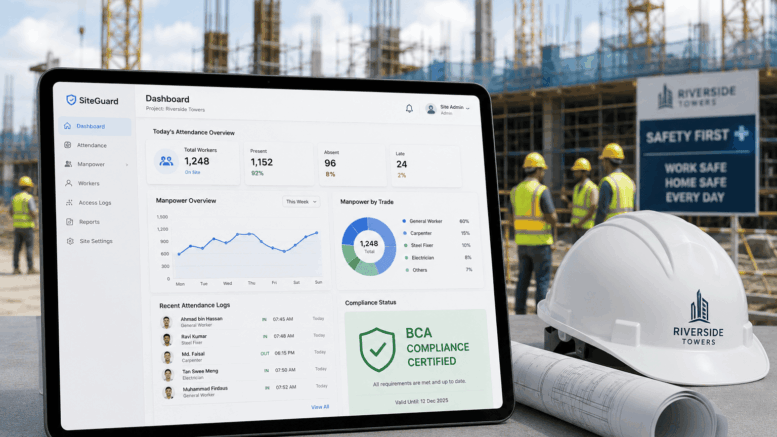
Managing employee attendance efficiently is one of the most fundamental challenges facing small and medium-sized enterprises (SMEs) in Singapore. As your business grows, manual attendance tracking becomes increasingly time-consuming, error-prone, and difficult to scale. Whether you’re managing a team of ten or one hundred employees, having the right attendance system in place can dramatically improve operational efficiency, reduce administrative burden, and ensure accurate payroll processing.
For many Singapore SMEs, the shift from manual timesheets or basic punch card systems to modern biometric attendance solutions represents a significant step forward in workforce management. However, choosing the right system requires careful consideration of your business needs, budget, security requirements, and integration capabilities. This guide will help you navigate the key factors to consider when selecting an EPSS (Electronic Personnel Security System) biometric attendance system for your organisation.
Why SMEs Need Modern Attendance Systems
Traditional attendance methods come with well-known challenges. Paper timesheets can be lost or altered, manual data entry creates opportunities for human error, and calculating attendance reports is labour-intensive. For growing businesses, these inefficiencies compound quickly.
Modern biometric attendance systems address these pain points by automating the entire attendance tracking process. Employees simply use their fingerprint, face recognition, or card-based authentication to clock in and out. The system records this data electronically, eliminating manual paperwork and creating an audit trail that’s difficult to falsify.
Beyond basic attendance tracking, a good EPSS system provides real-time visibility into workforce presence, generates accurate reports for payroll processing, helps ensure compliance with employment regulations, and can integrate with your existing HR and accounting systems. For SMEs looking to professionalise their operations, this is increasingly non-negotiable.
Key Features to Look for in an EPSS Biometric Attendance System
Biometric Authentication Methods
The most common biometric authentication methods are fingerprint scanning and facial recognition. Both have advantages depending on your workplace environment and employee preferences.
Fingerprint recognition is the more traditional approach and remains popular in Singapore workplaces. It’s relatively fast, requires minimal training, and works well in most environments. However, it can occasionally fail if fingerprints are worn or if employees have wet or dirty hands.
Facial recognition is increasingly popular and offers contactless authentication, which many employees prefer post-pandemic. It works quickly and can function even when employees are wearing masks or glasses. For SMEs wanting to project a modern image or accommodate employee preferences, facial recognition is an excellent option.
Many EPSS systems now offer multi-factor authentication, combining biometric scanning with card-based or PIN-based verification for added security. This is particularly useful if you need to prevent buddy punching or if you operate in security-sensitive environments.
Real-Time Reporting and Analytics
An effective EPSS system should provide comprehensive reporting capabilities. Look for systems that offer:
- Daily attendance summaries accessible to managers
- Late arrival and early departure tracking
- Overtime calculation and monitoring
- Absent employee alerts
- Customisable attendance reports for payroll processing
- Historical data retention for audit purposes
These features help managers make informed decisions, identify patterns, and resolve attendance issues quickly.
Integration Capabilities
Your attendance system should integrate seamlessly with your existing business tools. Key integration points typically include:
- Payroll and accounting software
- HR management systems
- Access control systems (for building security)
- Time and task tracking platforms
Without proper integration, data collected by your attendance system becomes siloed, creating manual work when you need to transfer information to payroll or HR systems. This defeats much of the efficiency purpose of upgrading to a modern system.
Cloud-Based vs. On-Premise Solutions
Modern EPSS systems are typically offered in two deployment models:
Cloud-based systems offer flexibility, automatic updates, remote access, and lower upfront hardware costs. You can check attendance records from anywhere, which is particularly valuable for SMEs with multiple locations or remote workers. However, they depend on internet connectivity and ongoing subscription costs.
On-premise systems give you complete control over your data and don’t depend on external internet connectivity (though internet-connected reporting is still useful). They can be more cost-effective long-term if you have a large, stable workforce. However, they require local IT support and can be more complex to maintain.
For most Singapore SMEs, cloud-based solutions offer the best balance of convenience, scalability, and cost-effectiveness.
Important Considerations for Singapore SMEs
Data Protection and Privacy Compliance
Singapore has specific requirements around data protection and privacy. Any EPSS system you implement must comply with the Personal Data Protection Act (PDPA). This means:
- Employees must be informed about how their data is collected and used
- Biometric data must be securely stored and encrypted
- Access to attendance data must be restricted to authorised personnel only
- You must have a data retention and deletion policy
Before selecting a system, confirm that the vendor can clearly explain their security architecture, encryption methods, and compliance measures. It’s your responsibility as an employer to ensure that any system you implement meets these legal requirements.
Scalability and Future Growth
Even if your SME currently has 20 employees, you may grow to 50 or 100 within a few years. Choose a system that can scale with your business without requiring a complete replacement. Cloud-based systems typically handle this better than on-premise solutions, as you can usually add new devices or locations with minimal friction.
User Training and Support
A system is only effective if employees and managers actually use it properly. Consider whether the vendor provides adequate training, documentation, and ongoing support. Look for systems with intuitive interfaces that require minimal training. For an SME with limited IT resources, responsive customer support is essential when issues arise.
Cost Structure
Pricing for EPSS systems varies widely. Understand the full cost of ownership, including:
- Hardware costs (biometric devices)
- Software licensing fees (per user or per device)
- Implementation and setup costs
- Monthly or annual subscription fees
- Maintenance and support costs
For SMEs, total cost of ownership matters as much as the upfront price. A slightly more expensive system with lower ongoing fees might be more economical than a cheap solution with high monthly subscriptions.
How BCA EPSS Addresses SME Attendance Challenges
BCA EPSS is a purpose-built biometric attendance system designed to meet the needs of businesses of all sizes, including Singapore SMEs. The system combines reliable biometric authentication with user-friendly management tools and reporting capabilities.
BCA EPSS supports multiple authentication methods, allowing you to choose the approach that works best for your workplace environment. The system provides real-time attendance tracking and generates the reports you need for payroll processing, compliance documentation, and workforce planning.
By implementing BCA EPSS, SMEs can eliminate the administrative overhead of manual attendance tracking, reduce payroll processing time, and create an audit trail that satisfies compliance requirements. The system is designed to integrate with your existing business operations, making the transition to digital attendance management smoother.
Smart Touch Technology Singapore provides implementation support to help your business get up and running quickly, ensuring your team understands the system and can leverage its full capabilities from day one.
Making Your Decision
Selecting the right EPSS biometric attendance system is an investment in your business’s operational efficiency. Take time to evaluate your specific needs:
- How many employees do you currently have, and how quickly do you anticipate growth?
- What is your budget for hardware, software, and ongoing fees?
- Do you need a cloud-based or on-premise solution?
- Which biometric authentication methods suit your workplace?
- What reporting and integration capabilities do you require?
- What level of vendor support can you realistically rely on?
Once you’ve answered these questions, you’ll have a clearer picture of what to look for. Request demonstrations from potential vendors, ask about compliance and security features, and check references from other Singapore SMEs who use their systems.
Conclusion
Choosing the right EPSS biometric attendance system is a strategic decision that can significantly improve how your SME operates. By automating attendance tracking, you free up time for more valuable activities, reduce errors, and ensure accurate payroll processing. The key is finding a system that matches your current needs while offering room to grow as your business expands.
BCA EPSS, delivered by Smart Touch Technology Singapore, offers a practical solution designed for businesses like yours. To learn more about how BCA EPSS can streamline your attendance management and simplify your operations, contact Smart Touch Technology Singapore today to discuss your requirements and explore a demonstration.
Smart Touch technology pte ltd , www.smartouch.com.sg +65-63964767, sales@smartouch.com.sg , www.smartouch.com.my +607-3889903 sales@smartouch.com.my