Compare EPSS Biometric Attendance System Options for Facility Management Teams in Singapore
Managing workforce attendance across multiple facilities is one of the most critical responsibilities for facility management teams in Singapore. As organisations expand and workplaces become more complex, the need for accurate, reliable, and efficient attendance tracking has never been more important. Whether you’re overseeing a single large building or managing multiple locations across the island, the choice of biometric attendance system can significantly impact your operational efficiency, compliance, and overall cost management.
For facility management teams, selecting the right Electronic Pass and Security System (EPSS) goes beyond simply recording who is present and who is absent. It involves evaluating systems that integrate seamlessly with your existing infrastructure, provide real-time insights, ensure data security, and support your organisation’s specific operational needs. In this guide, we’ll explore the key considerations for comparing EPSS biometric attendance systems and how to identify the solution that best serves your facility management operations.
Why EPSS Biometric Attendance Systems Matter for Facility Management
Facility management teams are responsible for maintaining safe, secure, and efficient working environments. A well-implemented Electronic Pass and Security System is fundamental to achieving these objectives.
Biometric attendance systems provide objective, tamper-proof records of who enters and exits your facilities at any given time. This is essential for:
- Security: Controlling access to restricted areas and monitoring movement throughout your facilities
- Compliance: Meeting statutory requirements and maintaining accurate attendance records for employment purposes
- Operational efficiency: Automating manual attendance processes and reducing administrative burden
- Resource planning: Understanding occupancy patterns and facility usage to optimise space and resource allocation
- Emergency response: Quickly identifying who is present in the building during emergencies or evacuations
Without a robust EPSS solution, facility management teams often rely on manual processes, spreadsheets, or outdated systems that are prone to errors, security vulnerabilities, and inefficiencies.
Key Considerations When Comparing EPSS Options
Biometric Technology Type
Different biometric technologies offer varying levels of accuracy, speed, and user acceptance. When evaluating EPSS options, consider:
- Fingerprint recognition: Widely used, fast, and cost-effective, though factors like hand hygiene or seasonal skin conditions may occasionally affect accuracy
- Facial recognition: Non-contact technology that can process multiple individuals quickly, useful for high-traffic areas
- Multi-modal systems: Combining multiple biometric methods for enhanced security and flexibility
Each technology has trade-offs between speed, accuracy, cost, and user acceptance. Your choice should align with your facility’s security requirements and user demographics.
System Integration and Compatibility
Your EPSS should integrate smoothly with your existing facility management systems, including access control, payroll, HR systems, and building management software. Integration gaps often lead to duplicate data entry, inconsistencies, and operational friction.
When comparing systems, ask:
- What systems does the EPSS integrate with natively?
- Are APIs or middleware available for custom integrations?
- How easily can data be exported for payroll or compliance reporting?
- Does the system support your current access control infrastructure?
Scalability and Multi-Site Management
If you manage multiple facilities, centralised visibility and unified management are critical. Compare how each EPSS option handles:
- Real-time synchronisation across multiple locations
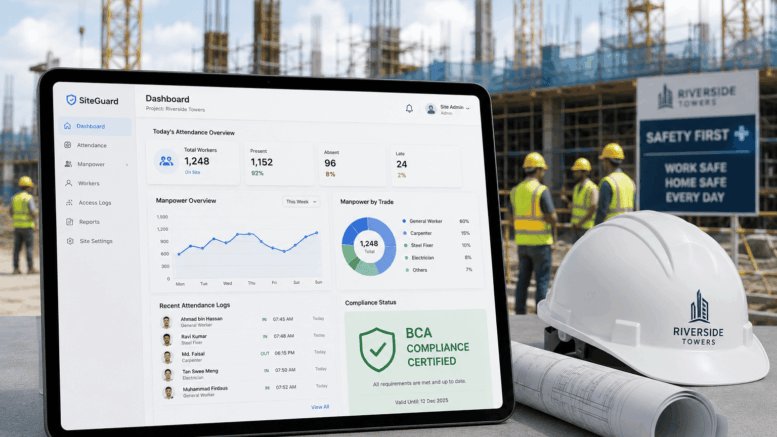
- Centralised reporting and analytics dashboards
- Consistent policies and settings across all sites
- Local access and management capabilities at each facility
Scalable systems allow you to expand without significant infrastructure changes or additional complexity.
Data Security and Privacy
Biometric data is sensitive personal information. Your EPSS must incorporate strong security measures including encryption, secure storage, and proper access controls. In Singapore, data protection regulations require organisations to handle personal data responsibly. Ensure your chosen system:
- Uses encryption for data transmission and storage
- Supports role-based access controls
- Maintains audit trails of system access and data modifications
- Complies with Singapore data protection requirements
User Experience and Adoption
The best system is only effective if staff and visitors use it properly. Consider how intuitive the system is for:
- First-time users and occasional visitors
- Employees with accessibility needs
- High-volume usage during peak hours
- Multilingual user populations
A system that requires minimal training and functions reliably will achieve faster adoption and fewer support issues.
Reporting and Analytics Capabilities
Modern EPSS solutions should provide comprehensive reporting to support facility management decisions. Essential reporting features include:
- Attendance summaries by employee, department, or location
- Access logs and unusual activity alerts
- Occupancy trends and facility usage patterns
- Compliance reports for audit purposes
- Customisable dashboards and scheduled reports
Maintenance, Support, and Vendor Reliability
Your EPSS is critical infrastructure. When comparing options, evaluate:
- The vendor’s track record and experience in Singapore
- Quality of technical support and response times
- Maintenance requirements and hardware durability
- System uptime guarantees and redundancy options
- Training and documentation provided
Common Challenges in EPSS Implementation
When comparing systems, it’s helpful to understand common implementation challenges so you can identify how each option addresses them:
- Biometric enrollment: Initial registration of all users can be time-consuming. Look for systems with efficient bulk enrollment processes.
- System downtime: If your EPSS goes offline, access control becomes problematic. Consider solutions with offline functionality or redundancy.
- False rejections: Some users may experience difficulties with biometric recognition. Systems should offer fallback methods like cards or PINs.
- Data synchronisation: In multi-site environments, ensuring consistent data across locations requires robust synchronisation mechanisms.
- Privacy concerns: Some users have concerns about biometric data collection. Clear communication and transparent policies are essential.
How Smart Touch Technology’s BCA EPSS Solution Supports Your Facility Management Needs
Smart Touch Technology Singapore offers the BCA EPSS solution specifically designed for facility management teams managing access control and attendance tracking across Singapore workplaces. The BCA EPSS is engineered to address the key requirements of facility managers while providing the reliability and integration capabilities that modern facilities demand.
The solution focuses on delivering practical, integrated access and attendance management that works seamlessly within your existing facility operations. By centralising biometric attendance data and access control management, the BCA EPSS helps facility teams maintain consistent security policies, generate accurate attendance records, and gain visibility into facility usage patterns without unnecessary complexity.
For facility management teams evaluating different EPSS options, understanding your specific requirements—such as the number of facilities you manage, integration needs with your current systems, required reporting capabilities, and security standards—will help you make an informed decision about which solution best fits your operations.
For a complete breakdown of features and modules, visit our product page here: https://smartouch.com.sg/bca-bas-epss-solution/
Making Your EPSS Decision
Selecting the right biometric attendance system for your facility management team is an investment in your organisation’s security, compliance, and operational efficiency. Take time to:
- Document your specific requirements and pain points
- Request demonstrations and trials from vendors
- Check references from similar organisations in Singapore
- Evaluate total cost of ownership, not just upfront costs
- Ensure the vendor understands Singapore’s business environment and requirements
The right EPSS solution will integrate smoothly with your operations, provide the visibility and control you need, and scale as your organisation grows.
Conclusion
Comparing EPSS biometric attendance system options requires careful evaluation of technology, integration capabilities, security, scalability, and vendor support. For facility management teams in Singapore, the right system becomes a cornerstone of secure, efficient facility operations. By understanding your specific needs and evaluating how different solutions address them, you can select an EPSS that delivers real value to your organisation. Whether you’re modernising an existing system or implementing biometric attendance for the first time, taking a structured approach to evaluation ensures you choose a solution that supports your facility management objectives and adapts to your organisation’s future needs.
Smart Touch technology pte ltd , www.smartouch.com.sg +65-63964767, sales@smartouch.com.sg , www.smartouch.com.my +607-3889903 sales@smartouch.com.my