Construction Biometric Authentication System: Cost and Features for Flexible Workspaces
Introduction
Singapore’s construction industry is evolving rapidly, with flexible workspaces becoming increasingly common on project sites. From modular construction hubs to shared facilities and mobile office spaces, construction companies are adapting to new working models that demand smarter access control solutions.
Traditional access methods—key cards, manual sign-in sheets, and password-based systems—no longer meet the demands of modern construction environments. They’re slow, prone to errors, and vulnerable to security breaches. Construction sites require systems that can verify worker identity quickly, maintain detailed records for compliance, and adapt to changing site conditions and workforce needs.
Biometric authentication systems offer a practical solution. By using unique biological identifiers, these systems provide secure, fast, and reliable access control tailored to the specific needs of construction flexible workspaces. Understanding their cost structure and features is essential for Singapore construction companies looking to improve site security, operational efficiency, and regulatory compliance.
What Are Construction Biometric Authentication Systems?
A biometric authentication system uses unique physical or behavioural characteristics to verify worker identity. In construction environments, these systems typically capture fingerprints, facial features, or iris patterns to grant or deny access to restricted areas.
Unlike traditional access methods, biometric systems eliminate the need for physical cards or memorised passwords. Workers simply present their biometric data—a fingerprint scan takes seconds—and access is granted or denied instantly. The system maintains an automatic record of who entered which area and when, creating an audit trail valuable for compliance and security investigations.
Why Construction Flexible Workspaces Need Biometric Authentication
Rapid Worker Verification
Construction sites employ many workers across different shifts, contractors, and specialisations. Flexible workspaces may accommodate different project phases with varying personnel. Biometric systems verify worker identity in seconds without slowing site operations or creating bottlenecks at entry points.
Compliance and Safety Record-Keeping
Singapore construction regulations require detailed records of site access for safety and compliance purposes. Biometric systems automatically log entry and exit times, creating tamper-proof records that satisfy regulatory requirements and support incident investigations.
Enhanced Site Security
Construction sites house expensive equipment, materials, and ongoing work. Biometric authentication prevents unauthorised access better than card-based systems, which can be lost, duplicated, or shared. This reduces theft, vandalism, and safety incidents involving unauthorised personnel.
Adaptability to Flexible Spaces
Flexible workspaces change as projects progress. New workers arrive, contractors rotate, and site layouts shift. Biometric systems scale easily—adding new workers simply requires enrolment of their biometric data. No need for new cards, replacement procedures, or complex administrative processes.
Key Features of Construction Biometric Authentication Systems
Multi-Modal Biometric Options
Modern systems don’t rely on a single biometric method. Options include fingerprint recognition, facial recognition, and iris scanning. Construction environments benefit from multiple options because workplace conditions—dirt, gloves, facial coverings—may affect recognition in different scenarios. Multi-modal systems ensure reliable access regardless of conditions.
Real-Time Access Control
Biometric systems provide instant verification. Workers don’t wait for manual checks or system delays. Real-time processing means faster site operations and reduced congestion at access points, particularly important for high-traffic flexible workspaces.
Detailed Audit Trails
Every biometric scan generates an automatic record: worker identity, entry time, exit time, and access point. These audit trails support compliance reporting, investigation of incidents, and verification of site presence for payroll and project management purposes.
Integration with Site Management Systems
Advanced biometric systems integrate with broader site management platforms. Access data feeds into safety systems, project management software, and compliance reporting tools, creating a unified information flow rather than isolated systems.
Weather and Durability Considerations
Construction sites expose equipment to harsh conditions—dust, moisture, extreme temperatures, and vibration. Effective biometric systems use rugged hardware designed to withstand these environments while maintaining accuracy and reliability.
Understanding Biometric Authentication System Costs
Initial Setup Investment
Implementing a biometric system requires upfront investment in hardware—biometric readers, processing units, and connectivity infrastructure. For a flexible workspace accommodating multiple access points, expect costs to scale with the number of entry points and the complexity of site layout.
Software licensing and system configuration also represent initial costs. Custom setup for construction site requirements—specific access levels, integration with existing systems, compliance reporting—typically involves professional implementation services.
Enrolment and Training
New workers must be enrolled in the system before access is granted. Enrolment involves capturing their biometric data and entering relevant information into the system database. For large projects with high worker turnover, enrolment represents an ongoing operational cost and administrative burden.
Training site personnel to use the system effectively also requires time investment. While biometric systems are intuitive, proper training ensures consistent use, reduces errors, and maximises the system’s security benefits.
Maintenance and Support
Biometric hardware requires regular maintenance to function reliably in construction environments. Dust accumulation, weather exposure, and physical wear require cleaning and occasional component replacement. Ongoing technical support ensures rapid resolution of issues that could disrupt site access.
Software updates and security patches are essential for protecting worker data and maintaining compliance. Factor in regular system maintenance when calculating total cost of ownership.
Data Storage and Compliance
Biometric data is personal information regulated in Singapore under the Personal Data Protection Act (PDPA). Secure storage, access controls, and data retention policies require appropriate infrastructure and may involve additional costs for secure cloud hosting or on-site secure servers.
Scalability Considerations
For flexible workspaces that expand or contract with project phases, system costs should account for scalability. Some systems charge per access point or per enrolled user, making expansion predictable. Understanding your system’s pricing model prevents unexpected costs as your workspace grows.
Cost-Benefit Analysis for Construction Organisations
While biometric systems require upfront and ongoing investment, they deliver measurable benefits that often justify costs:
- Reduced Security Incidents: Fewer unauthorised access breaches mean lower losses from theft, vandalism, and safety incidents.
- Improved Compliance: Automatic audit trails reduce the time and cost of compliance reporting and investigation.
- Faster Operations: Quicker worker verification reduces site bottlenecks and accelerates project workflows.
- Lower Administrative Burden: Automatic logging eliminates manual sign-in sheets and reduces administrative processing time.
- Enhanced Safety: Knowing exactly who is on site at any time supports emergency response and incident investigation.
For construction companies operating multiple flexible workspaces or managing high worker turnover, these benefits accumulate significantly over time.
How Smart Touch Technology Singapore Addresses Construction Biometric Authentication
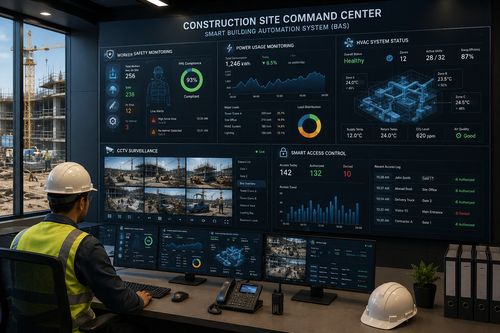
Smart Touch Technology Singapore provides the Building Access System (BAS), a comprehensive biometric authentication solution designed specifically for construction and flexible workspace environments.
The BAS combines reliable biometric verification with practical construction site requirements. The system delivers the real-time access control, detailed audit trails, and integration capabilities that construction companies need to maintain security while supporting operational efficiency in dynamic workspaces.
For organisations evaluating biometric authentication systems, understanding both costs and features is essential. The right system balances security requirements, operational needs, compliance obligations, and budget constraints specific to your construction environment.
Learn more about this product—click here to explore how biometric authentication can enhance your construction flexible workspace.
Conclusion
Construction biometric authentication systems represent a practical investment for modern flexible workspaces. While initial costs and ongoing maintenance require budget consideration, the security, compliance, and operational benefits make these systems valuable for Singapore construction companies.
By understanding the key features—real-time access control, detailed audit trails, multi-modal biometric options, and system integration—and carefully evaluating costs against your specific needs, you can make an informed decision about biometric authentication for your site.
Whether you’re operating a single flexible workspace or managing multiple project sites, biometric authentication provides the security, accuracy, and efficiency that modern construction operations demand.
Smart Touch technology pte ltd , www.smartouch.com.sg +65-63964767, sales@smartouch.com.sg , www.smartouch.com.my +607-3889903 sales@smartouch.com.my