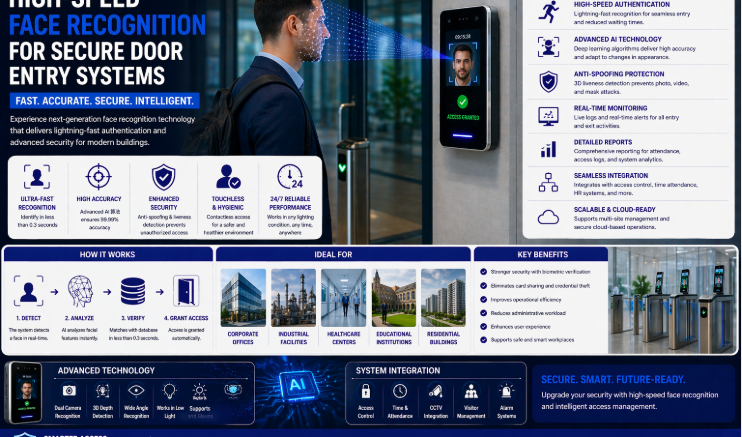
Door Access Control System Singapore Guide for Property Managers: Manage Multiple Sites Easily
Managing multiple properties across Singapore presents significant operational challenges, particularly when it comes to security and access control. Property managers juggle numerous responsibilities—from tenant relations to maintenance schedules—and adding manual access management to this list can quickly become overwhelming. A modern door access control system offers an efficient solution that streamlines operations, enhances security, and provides centralised management across all your sites.
For property managers overseeing shopping centres, residential complexes, commercial buildings, or mixed-use developments, the ability to manage access points from a single platform is no longer a luxury—it’s a practical necessity. This guide explores how door access control systems work, why they matter for multi-site operations, and how they can transform your property management approach.
Why Multi-Site Property Management Requires a Modern Access Control Solution
Traditional access management relies on physical keys, manual logs, and on-site staff to monitor entry and exit points. For property managers running multiple locations, this approach presents several problems:
- Keys can be lost, copied, or misplaced, creating security gaps
- Manual access logs are time-consuming to maintain and difficult to audit
- Responding to access issues at different sites requires coordinating with on-site staff
- Revoking access for terminated tenants or contractors takes time and manual effort
- No clear visibility into who accessed which areas and when
Property managers in Singapore frequently deal with high-turnover tenancies, seasonal contractors, and complex access requirements across multiple floors and buildings. Without a centralised system, managing these scenarios efficiently becomes nearly impossible.
Understanding Door Access Control Systems
What Is a Door Access Control System?
A door access control system is a security solution that manages and monitors entry to physical spaces. Instead of relying on keys, these systems use electronic readers and credentials (such as cards, fobs, or mobile credentials) to grant or deny access. Property managers can set permissions centrally, track access events in real time, and adjust access rights instantly without visiting each location.
How Modern Systems Work
Contemporary door access control systems operate on straightforward principles. When a user presents their credential to a reader at a door, the system verifies their identity and permissions. If authorised, the door unlocks. If not, access is denied and the event is logged. Property managers can review access logs, set time-based permissions (for example, allowing contractors access only during business hours), and integrate the system with other building management tools.
For property managers managing multiple sites, cloud-based or networked systems provide the ability to oversee all locations from a central dashboard, rather than managing each building separately.
Key Benefits for Multi-Site Property Managers
Centralised Management and Control
The primary advantage of a modern door access control system is centralised management. Rather than managing access policies at each site independently, property managers can control permissions, create access schedules, and adjust credentials from a single platform. This reduces administrative burden and ensures consistent security policies across all properties.
Enhanced Security and Accountability
Electronic access systems create detailed records of every entry and exit. This audit trail provides accountability and helps identify security breaches quickly. Should an incident occur, property managers have clear documentation of who accessed which areas and when. This level of transparency is invaluable for resolving disputes and maintaining security standards.
Rapid Access Management
When a tenant moves out, a contractor completes their work, or an employee leaves, property managers can revoke access instantly across multiple sites. There is no need to wait for physical key retrieval or coordinate with on-site staff at each location. This is particularly important in Singapore’s fast-paced commercial environment where personnel changes happen regularly.
Reduced Operational Costs
Eliminating the need for key replacement, lock changes, and manual access administration reduces long-term operational costs. Property managers spend less time on access-related issues and can focus on higher-value management activities.
Flexible Access Permissions
Modern systems allow property managers to set granular access permissions. A visitor might access only specific meeting rooms during business hours, while a maintenance contractor could have access to service areas at any time. Temporary access for deliveries or contractors can be set to expire automatically, eliminating the need for manual intervention.
Common Access Control Challenges for Multi-Site Operations
Coordinating Access Across Different Buildings
Managing access policies consistently across multiple buildings with different layouts and security requirements can be challenging. A centralised system helps standardise policies while still allowing site-specific customisation where needed.
Responding to Access Issues Quickly
When a tenant cannot access their unit or a security incident occurs, delays in responding can create tenant dissatisfaction or security risks. A system that allows remote management helps property managers respond instantly, even when they are not physically on-site.
Maintaining Audit Trails and Compliance
Property managers need to maintain clear records for regulatory compliance and to resolve disputes. Manual systems are prone to errors and gaps. Electronic systems generate comprehensive, tamper-proof logs automatically.
Managing Contractor and Visitor Access
Granting temporary access to contractors, delivery personnel, and visitors while maintaining security is a delicate balance. A flexible system allows property managers to provide necessary access while controlling duration and scope.
Best Practices for Implementing Access Control Across Multiple Sites
Develop a Consistent Access Policy Framework
Before implementing a system, establish clear policies for different user types (tenants, contractors, visitors, staff) and access scenarios. A consistent framework ensures security and reduces confusion across all sites.
Start with High-Security Areas
Prioritise implementing access control at high-security areas first—such as server rooms, storage facilities, or executive offices. Once the system is operational and staff are trained, expand to other areas.
Choose a System That Scales
As your property portfolio may grow, ensure your access control solution can easily scale to accommodate additional sites and users without significant system overhauls.
Integrate with Existing Building Systems
Where possible, integrate your door access control system with other building management tools such as CCTV, alarms, or tenant management software. Integration streamlines workflows and provides a more comprehensive security picture.
Train Staff and Users
Ensure that both your management team and building occupants understand how to use the system. Clear training reduces support requests and helps maximise the system’s benefits.
How Smart Touch Technology Singapore Can Support Your Multi-Site Operations
Property managers in Singapore seeking a reliable door access control solution should consider the Smart Touch door access control system. Designed to meet the needs of multi-site operations, this solution provides centralised management capabilities that allow property managers to oversee access across all locations from a single platform.
The Smart Touch door access control system simplifies the management of multiple properties by offering:
- Centralised control and monitoring of all access points across your sites
- Easy credential management, allowing rapid access provisioning and revocation
- Comprehensive audit logs for compliance and security purposes
- Flexible access scheduling and permissions to suit different user types and scenarios
For property managers in Singapore looking to streamline access management, reduce operational costs, and enhance security across multiple sites, the Smart Touch door access control system offers a practical, scalable solution. Visit https://smartouch.com.sg/door-access-control-system/ to learn more about how Smart Touch can support your property management operations.
Conclusion
Managing access across multiple properties in Singapore requires more than traditional approaches like physical keys and manual logs. A modern door access control system provides property managers with centralised control, enhanced security, and operational efficiency. By implementing a reliable access control solution, property managers can reduce administrative burdens, respond quickly to access issues, maintain compliance, and create a secure environment for tenants and occupants across all sites.
Whether you manage commercial buildings, residential complexes, or mixed-use developments, investing in a modern door access control system is a strategic decision that improves both security and operational effectiveness. The right system becomes a cornerstone of your property management approach, enabling you to manage multiple sites with confidence and ease.
Smart Touch technology pte ltd , www.smartouch.com.sg +65-63964767, sales@smartouch.com.sg , www.smartouch.com.my +607-3889903 sales@smartouch.com.my