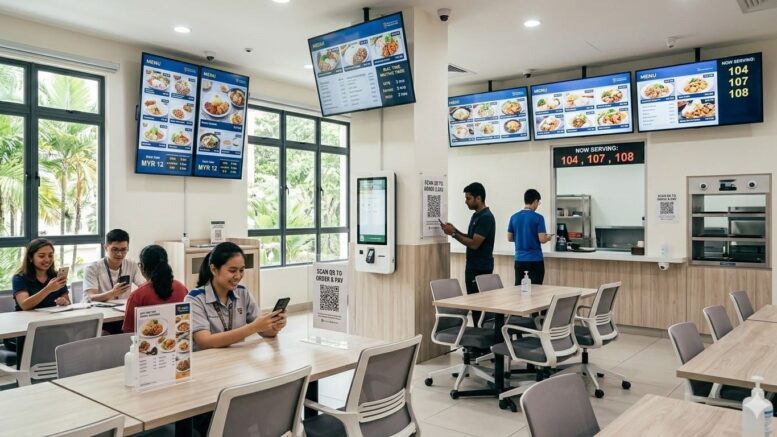
Smart Canteen System Singapore: Installation Guide for Transport Operators
Introduction
Transport operators in Singapore face unique operational challenges, particularly when managing employee welfare and service efficiency across multiple locations. One critical aspect of this is ensuring that staff members have reliable access to food and beverage services during their shifts and breaks. A well-organised canteen system not only improves employee satisfaction and retention but also streamlines purchasing, inventory management, and payment processes.
For transport companies operating in Singapore’s fast-paced logistics and public transport sectors, implementing a smart canteen system can significantly enhance operational efficiency whilst reducing administrative overhead. This guide provides practical insights into installing and optimising a smart canteen system specifically tailored for transport operators in Singapore.
Why Transport Operators Need an Efficient Canteen System
Meeting Employee Expectations
In today’s competitive employment market, transport operators must provide appealing benefits to attract and retain skilled drivers and logistics personnel. Access to convenient, well-managed canteen facilities is increasingly viewed as a standard workplace amenity rather than a luxury. Employees expect quick, hassle-free meal solutions during their working hours.
Operational Efficiency Challenges
Traditional canteen management often involves manual cash handling, paper-based records, and lengthy queues during peak service periods. For transport operators with large workforces distributed across different shifts, these inefficiencies can disrupt schedules and reduce productivity. A modernised canteen system addresses these pain points through automation and streamlined processes.
Cost Control and Accountability
Without proper systems in place, canteen operations can suffer from stock discrepancies, payment processing errors, and difficulty tracking spending patterns. Transport companies need clear visibility into canteen costs and consumption data to manage budgets effectively and make informed business decisions.
Key Considerations Before Installation
Assessing Your Operational Needs
Before implementing a smart canteen system, transport operators should evaluate several factors specific to their operations:
- Number of employees requiring canteen access across different shifts and locations
- Current canteen usage patterns and peak demand periods
- Existing payment methods and financial systems in place
- Available space for canteen infrastructure and equipment installation
- Integration requirements with existing HR and payroll systems
Staff Readiness and Training
Successful implementation requires buy-in from both management and canteen staff. Transport operators should plan for comprehensive training programmes to ensure that canteen personnel and employees understand how to use the new system effectively. This reduces errors, improves adoption rates, and maximises the return on investment.
Compliance and Regulatory Considerations
Whilst Singapore’s regulatory environment is generally supportive of digital innovation in workplace facilities, operators should ensure that any canteen system complies with food safety standards and data protection requirements relevant to Singapore. It is advisable to verify that the system provider has appropriate certifications and follows best practices for handling employee payment data securely.
Installation Steps for a Smart Canteen System
Step 1: Planning and Consultation
Begin by engaging with your chosen canteen system provider to assess your specific requirements. For transport operators, this discussion should cover shift patterns, volume forecasts, and integration points with existing systems. The provider should conduct a site assessment to determine optimal placement of canteen terminals, payment devices, and kitchen equipment.
Step 2: Infrastructure Preparation
Prepare your canteen space to support the new system. This may include installing appropriate electrical connections, networking infrastructure, and ensuring adequate space for self-service or assisted ordering stations. Transport operators should plan this phase to minimise disruption to ongoing canteen operations if already in place.
Step 3: System Configuration and Testing
Configure the canteen system to match your operational requirements. This includes setting up menu items, pricing structures, employee account allocations, and payment processing rules. Conduct thorough testing with staff volunteers to identify and resolve any issues before full deployment.
Step 4: Staff Training and Handover
Provide comprehensive training for all personnel involved, including canteen staff, supervisors, and system administrators. Create clear documentation and support channels for ongoing assistance. Transport operators should establish a dedicated point of contact for technical support during the transition period.
Step 5: Phased Rollout
Consider a phased approach to implementation, starting with one location or shift group before expanding system-wide. This allows your team to identify and resolve challenges on a smaller scale, building confidence and refining processes before full deployment.
Essential Features for Transport Operator Canteens
Flexible Payment Options
Smart canteen systems should support multiple payment methods suited to Singapore’s diverse preferences, including card payments, mobile wallet integration, and account-based systems. This flexibility ensures all employees can transact conveniently regardless of their preferred payment method.
Real-Time Inventory Management
Accurate stock tracking helps transport operators avoid shortages that could frustrate employees and reduce canteen efficiency. Real-time inventory systems enable predictive ordering and help minimise food wastage—an important consideration for cost control.
Multi-Shift Support
Transport operators running 24-hour operations require canteen systems that seamlessly support multiple shifts with appropriate menu offerings and access controls. The system should accommodate extended or round-the-clock service patterns.
Reporting and Analytics
Comprehensive reporting features allow operators to track canteen performance, identify popular items, monitor spending trends, and analyse employee usage patterns. These insights inform menu planning, budgeting decisions, and service optimisation.
Common Installation Challenges and Solutions
Challenge: Resistance to Change
Employees and staff accustomed to traditional canteen processes may initially resist digital systems. Solution: Invest time in clear communication about benefits, provide patient training, and consider a feedback mechanism to address concerns during the transition.
Challenge: Technical Connectivity Issues
Canteen locations may face connectivity challenges, especially if distributed across multiple transport depots or facilities. Solution: Ensure robust networking infrastructure and select a system designed to handle intermittent connectivity gracefully.
Challenge: Data Security Concerns
Employee payment information and usage data require robust protection. Solution: Work with providers that implement industry-standard security protocols and comply with Singapore’s data protection requirements.
How Smart Touch Technology Singapore Can Help
Smart Touch Technology Singapore offers a comprehensive canteen system specifically designed to address the operational needs of transport operators and other organisations in Singapore. The system streamlines ordering, payment processing, and inventory management through an integrated platform that reduces manual administration and improves service efficiency.
By implementing Smart Touch’s canteen solution, transport operators benefit from simplified installation procedures tailored to Singapore’s business environment, flexible payment integration, and robust reporting capabilities that provide actionable insights into canteen operations. The system is designed to support multi-shift operations common in the transport industry, ensuring that employees across all shifts have access to efficient canteen services.
For transport operators looking to modernise their canteen facilities whilst maintaining operational reliability, Smart Touch Technology Singapore provides both the technology platform and local expertise necessary for smooth implementation. Click here for more product information: https://smartouch.com.sg/canteen-system/
Conclusion
Installing a smart canteen system represents a strategic investment for transport operators seeking to enhance employee satisfaction, improve operational efficiency, and gain better control over canteen costs. Successful implementation requires careful planning, clear communication, and selection of a system provider who understands Singapore’s business environment and the specific demands of transport operations.
By following a structured installation approach and selecting a solution tailored to transport industry requirements, operators can create a modern, efficient canteen facility that benefits both employees and the organisation. The combination of streamlined processes, flexible payment options, and comprehensive reporting capabilities positions transport operators to deliver better service whilst reducing administrative burden.
Smart Touch technology pte ltd , www.smartouch.com.sg +65-63964767, sales@smartouch.com.sg , www.smartouch.com.my +607-3889903 sales@smartouch.com.my