Compliance management is one of the most complex challenges facing Singapore businesses today. Whether you’re a small enterprise, a mid-sized organisation, or a large corporation, staying compliant with Singapore’s regulatory requirements—from employment laws to data protection standards—requires careful planning, consistent documentation, and ongoing vigilance.
For many organisations, managing compliance manually across multiple departments and processes creates unnecessary risk, consumes valuable resources, and leaves room for human error. The consequences of non-compliance can be severe, ranging from financial penalties to reputational damage and operational disruption.
This is where a streamlined compliance approach becomes essential. By implementing the right systems and processes, Singapore businesses can reduce compliance risks, improve operational efficiency, and focus their energy on growth rather than firefighting regulatory issues.
Understanding Compliance Challenges in Singapore
Singapore’s business environment is highly regulated. Companies must comply with a complex web of requirements covering employment practices, workplace safety, data privacy, financial reporting, industry-specific standards, and more.
Common compliance challenges that Singapore organisations face include:
- Managing multiple regulatory frameworks: Different regulatory bodies—such as the Ministry of Manpower (MOM), Personal Data Protection Act (PDPA) requirements, and industry-specific regulators—set distinct obligations that organisations must track and fulfill simultaneously.
- Keeping up with regulatory changes: Singapore’s regulatory landscape evolves regularly. Staying informed about amendments to employment laws, safety standards, and other requirements requires constant attention.
- Ensuring consistent documentation: Compliance often depends on maintaining thorough records and evidence of adherence. Manual documentation processes are error-prone and difficult to audit.
- Cross-departmental coordination: Compliance involves multiple departments—Human Resources, Operations, Finance, Legal, and others. Coordinating these teams and ensuring everyone follows the same standards is challenging without the right systems.
- Demonstrating compliance during audits: When regulators or auditors request evidence of compliance, organisations need to produce clear, organised documentation quickly. Disorganised records can create significant problems.
- Training and awareness: Employees need to understand compliance requirements relevant to their roles. Without proper training and communication, non-compliance often occurs unintentionally.
Why Streamlined Compliance Matters
A streamlined compliance approach goes beyond simply meeting the minimum legal requirements. It creates a compliance culture within the organisation where processes are efficient, transparent, and integrated into daily operations.
When compliance is streamlined, several positive outcomes emerge:
- Reduced regulatory risk: Systematic processes and consistent monitoring help identify and address compliance gaps before they become problems.
- Operational efficiency: Automated and organised compliance processes free up staff time previously spent on manual tasks, allowing them to focus on core business activities.
- Improved documentation: Digital records are easier to maintain, search, and audit, providing clear evidence of compliance when needed.
- Better visibility: Management and compliance officers can see compliance status across the organisation in real time, rather than discovering issues during audits.
- Faster response to regulatory changes: When compliance processes are centralised and systematic, organisations can adapt to new requirements more quickly.
- Enhanced employee confidence: Clear compliance procedures and training help employees understand expectations and reduce unintentional breaches.
Key Areas of Compliance for Singapore Organisations
While every organisation’s compliance needs vary based on industry and size, several areas are universally important in Singapore:
Employment Compliance
Singapore’s employment laws, administered by the Ministry of Manpower, cover areas such as employment contracts, working hours, leave entitlements, salary payments, and dispute resolution. Organisations must ensure their HR practices align with these requirements.
Data Protection
The Personal Data Protection Act (PDPA) sets strict requirements for how organisations collect, use, and manage personal data. This is particularly important as organisations increasingly handle customer, employee, and vendor information digitally.
Workplace Safety
The Workplace Safety and Health (WSH) Act requires organisations to maintain safe working conditions and implement appropriate safety measures. Different industries have specific WSH requirements.
Financial and Tax Compliance
Organisations must comply with Inland Revenue Authority of Singapore (IRAS) requirements for tax reporting and financial compliance, depending on their structure and operations.
Industry-Specific Regulations
Depending on the sector—healthcare, finance, hospitality, construction, or others—additional regulatory obligations may apply.
Building a Compliance Framework
Effective compliance starts with a clear framework tailored to your organisation’s size, industry, and risk profile. This framework should include:
- Compliance mapping: Identify all regulatory requirements applicable to your organisation and document them clearly.
- Responsibility assignment: Clearly define which departments and individuals are responsible for each compliance area.
- Process documentation: Document the procedures, controls, and checks in place to ensure compliance.
- Training and communication: Ensure all employees understand their compliance responsibilities through regular training and clear communication.
- Monitoring and review: Establish regular audits and reviews to verify compliance and identify areas for improvement.
- Record-keeping: Maintain organised, accessible records that demonstrate compliance and support audit activities.
- Incident response: Create procedures for identifying, reporting, and addressing compliance breaches when they occur.
How Technology Enables Compliance Streamlining
Manual compliance management—relying on spreadsheets, email, and paper records—is increasingly unsustainable. Modern technology can significantly improve compliance efficiency by automating routine tasks, centralising documentation, and providing visibility into compliance status.
A well-designed compliance system should:
- Centralise all compliance-related information and documentation in one accessible location
- Automate routine tasks such as compliance checks, reminders, and report generation
- Provide real-time visibility into compliance status across departments
- Facilitate easy document retrieval and audit preparation
- Support compliance training and staff awareness activities
- Track compliance activities and create audit trails
- Integrate with existing business systems to reduce data duplication
Smart Touch Technology and Compliance Streamlining
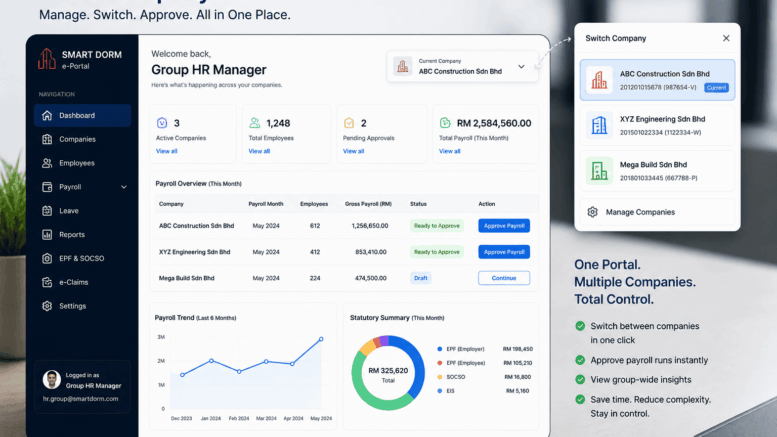
Smart Touch Technology provides solutions designed to help Singapore organisations manage their operations more effectively, including supporting compliance-related processes and documentation. Smart Touch’s general product offerings enable businesses to streamline workflows, improve data organisation, and enhance operational visibility—all critical components of effective compliance management.
By leveraging Smart Touch Technology’s capabilities, organisations can:
- Centralise compliance-related information and documentation in an organised, accessible system
- Automate compliance-related workflows and processes, reducing manual effort and human error
- Create clear audit trails showing compliance activities and adherence to procedures
- Improve coordination between departments responsible for different compliance areas
- Generate compliance reports and documentation more efficiently when needed for audits or regulatory requests
- Maintain better control over compliance information and access to sensitive data
Whether your organisation needs to streamline employment compliance, data protection practices, safety documentation, or other compliance areas, Smart Touch Technology can help you build systems that support consistent, efficient, and transparent compliance management.
Practical Steps to Streamline Compliance
Implementing a streamlined compliance approach doesn’t require a complete overhaul overnight. Consider these practical steps:
- Start with an audit: Assess your current compliance status and identify the highest-risk areas requiring immediate attention.
- Prioritise high-impact areas: Focus initial efforts on the compliance areas that carry the greatest regulatory or operational risk.
- Document current processes: Map out how compliance activities are currently handled across your organisation.
- Identify improvement opportunities: Look for manual, inefficient, or error-prone processes that could benefit from streamlining or automation.
- Select appropriate tools: Choose technology solutions that align with your compliance needs and integrate with existing systems.
- Implement gradually: Roll out changes in phases, allowing staff to adapt and providing time to address issues.
- Train your team: Ensure all staff understand new compliance procedures and systems.
- Monitor and adjust: Regularly review your compliance processes and make adjustments based on feedback and changing requirements.
Conclusion
Compliance is not a one-time project but an ongoing commitment to meeting regulatory obligations and maintaining appropriate controls across your organisation. In Singapore’s complex regulatory environment, a streamlined, systematic approach to compliance is essential for reducing risk, maintaining operational efficiency, and building stakeholder confidence.
By implementing clear compliance frameworks, leveraging appropriate technology, and fostering a compliance-aware culture, Singapore organisations can transform compliance from a burden into a managed, efficient process that supports business success.
If you’re looking to streamline compliance across your organisation, Smart Touch Technology can help you implement the systems and processes needed to manage compliance more effectively. Reach out to our team to discuss how we can support your compliance objectives.
Smart Touch technology pte ltd , www.smartouch.com.sg +65-63964767, sales@smartouch.com.sg , www.smartouch.com.my +607-3889903 sales@smartouch.com.my