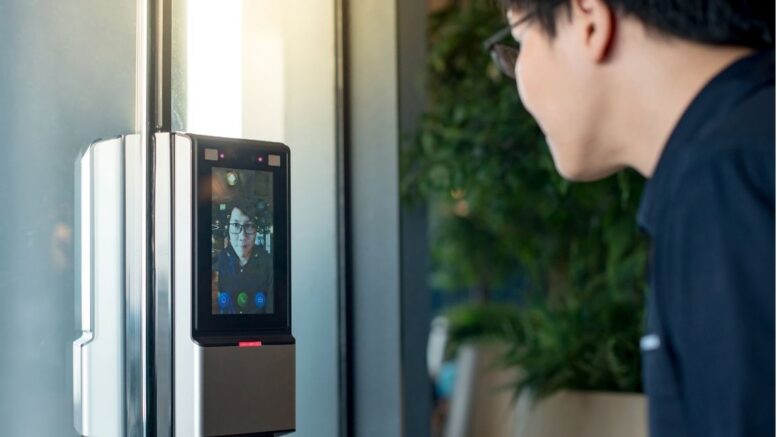
In Singapore’s fast-moving business environment, companies are under growing pressure to improve workforce efficiency, strengthen workplace security, and reduce payroll errors. Traditional attendance methods such as punch cards, manual sign-in sheets, and even standard access cards are no longer enough for modern organizations that want real-time visibility, automation, and accuracy. This is where facial recognition integrated with HR system Singapore becomes a powerful solution for forward-thinking businesses.
Our approach to facial recognition technology is not limited to basic identification. It is designed to become part of a broader digital workforce ecosystem that connects attendance, access control, HR records, and payroll workflows into one seamless operational platform. Smart Touch highlights this integration clearly, positioning facial recognition as part of a connected solution for payroll attendance, HR systems, and access environments in Singapore.
Why Businesses in Singapore Are Moving Toward Facial Recognition HR Integration
Singapore is one of the most digitally advanced markets in the region. Businesses are constantly looking for technologies that support productivity, compliance, and smart building operations. A facial recognition solution integrated with an HR system meets these needs by reducing manual intervention and turning employee attendance data into actionable HR information.
Instead of relying on separate systems for clocking, employee verification, payroll preparation, and building entry, organizations can unify these functions. Smart Touch’s published materials emphasize direct integration with HR platforms, payroll attendance processes, and access control workflows, showing that facial biometrics are increasingly being positioned as an operational business tool rather than only a security feature.
This matters because disconnected systems create friction. HR teams waste time checking attendance inconsistencies. Finance teams spend extra hours correcting payroll discrepancies. Managers face delays in reviewing lateness, overtime, and absenteeism. A properly integrated facial recognition HR solution helps solve these problems at the source.
What Facial Recognition Integrated With HR System Really Means
A fully integrated system does more than recognize a face at the door. It captures attendance events in real time and connects that data directly to employee records, scheduling rules, payroll logic, leave workflows, and access permissions.
When an employee arrives at work, the facial recognition terminal verifies identity instantly. That clock-in record is then matched to the employee profile in the HR system. Depending on company policy, the system can automatically calculate working hours, lateness, shift compliance, overtime eligibility, and exceptions. Smart Touch also describes broader time management capabilities that connect biometric attendance with timesheets, overtime calculation, payroll workflows, and HR management functions.
This means our HR teams no longer need to re-enter clocking data manually. Our managers can review real-time attendance records from a centralized dashboard. Our payroll process becomes faster, cleaner, and far less vulnerable to human error.
The Business Benefits of Facial Recognition Integrated With HR System Singapore
1. Accurate Time Attendance Without Buddy Punching
One of the biggest weaknesses of card-based or manual attendance systems is the possibility of misuse. Employees may forget cards, share credentials, or ask colleagues to clock in on their behalf. Facial recognition reduces this risk by tying attendance to a unique biometric identity.
Smart Touch repeatedly positions facial recognition solutions as highly accurate, fast, and suitable for attendance environments where tamper-resistant records are important. For Singapore employers, this translates into cleaner attendance data and more trustworthy workforce reports.
2. Faster Payroll Processing
Payroll accuracy depends on reliable time data. When attendance records are incomplete or inconsistent, payroll teams are forced to spend valuable time reconciling missing clock-ins, manual adjustments, and overtime disputes. Integration between facial recognition and HR or payroll systems helps automate these steps.
Smart Touch’s content specifically references integration with payroll attendance and HR systems, which supports the value proposition of reducing manual payroll handling and improving timesheet accuracy.
For growing businesses in Singapore, that means fewer disputes, faster salary preparation, and stronger confidence in payroll outputs.
3. Contactless and Hygienic Workforce Management
Contactless technology has become increasingly important in shared workplace environments. Facial recognition allows employees to clock in and access authorized areas without touching a device. This improves convenience, reduces wear and tear on hardware, and creates a more modern user experience.
Smart Touch describes its biometric facial solutions as contactless, intelligent, and suitable for modern security and attendance use cases. That makes the technology highly relevant for offices, factories, schools, healthcare environments, and commercial buildings across Singapore.
4. Real-Time Visibility for HR and Management
An integrated facial recognition HR system gives our teams immediate access to attendance activity. Managers can monitor lateness trends, missed clock-ins, absenteeism patterns, and workforce movement in real time. HR can use this data to improve scheduling, enforce attendance policies, and support better manpower planning.
Because Smart Touch also highlights integration with access control systems, face recognition can become part of a broader workplace intelligence model where entry records, attendance logs, and employee management data work together.
5. Better Security at the Same Time
Facial recognition integration is not only about HR efficiency. It also improves site security. When the same platform supports attendance and access control, businesses can verify that only authorized individuals enter certain areas while keeping precise logs of movement and attendance activity.
Smart Touch presents facial recognition as part of unified access solutions that can work with doors, turnstiles, swing barriers, and controlled entry environments. This gives Singapore businesses a practical way to align workforce administration with physical security.
Ideal Use Cases in Singapore
Facial recognition integrated with HR systems is highly versatile and can support many industries.
In corporate offices, it streamlines employee attendance and secure office access. In manufacturing plants, it supports shift-based attendance tracking and controlled entry to operational areas. In warehouses, it helps manage workforce movement while strengthening operational oversight. In schools and institutions, it can improve attendance automation and controlled campus access. In commercial buildings and mixed-use facilities, it supports tenant, staff, and contractor management within one coordinated platform.
Smart Touch’s published content references applicability across offices, factories, healthcare facilities, schools, government environments, warehouses, and commercial buildings, showing strong cross-industry relevance.
Key Features to Look for in a Facial Recognition HR Solution
When choosing a solution in Singapore, businesses should not focus only on the device. The true value lies in the overall system architecture and integration capabilities.
A strong solution should include fast facial verification, real-time attendance syncing, employee profile mapping, payroll export or direct payroll integration, leave and shift compatibility, reporting dashboards, role-based administration, and scalable deployment options. It should also support integration with access control and potentially building entry systems where needed.
Smart Touch’s solution pages emphasize integration, scalability, accuracy, encrypted biometric handling, and compatibility with modern business environments.
Why Integration Matters More Than Standalone Devices
Many businesses make the mistake of buying a biometric device without thinking about the HR workflow behind it. A standalone terminal may capture attendance, but it does not automatically solve payroll inefficiencies or reporting delays. Without integration, teams still need to export files manually, review exceptions separately, and reconcile records across multiple systems.
That is why the phrase facial recognition integrated with HR system Singapore is so important. Integration is the difference between a device and a business solution. A well-integrated platform helps our organizations automate data flow from employee verification to attendance records, from attendance records to payroll calculations, and from payroll calculations to management reporting.
Smart Touch’s product and article ecosystem consistently reinforces this integrated positioning, especially around payroll attendance, HR systems, and connected access environments.
Supporting Digital Transformation in Singapore Workplaces
As businesses modernize, they need systems that reduce admin workload and improve operational responsiveness. Facial recognition integrated with HR systems aligns closely with this direction because it creates a data-driven workforce environment. It turns routine attendance into a strategic management tool.
With better attendance visibility, our HR teams can identify chronic lateness, verify manpower deployment, simplify audit preparation, and improve employee accountability. With more accurate payroll inputs, our finance teams can work faster and with greater confidence. With integrated access features, our operations teams can strengthen security without increasing complexity.
For Singapore businesses seeking practical digital transformation, this kind of solution offers measurable daily value.
Choosing the Right Partner for Facial Recognition Integrated With HR System Singapore
The right provider should understand much more than biometric hardware. They should understand HR workflows, payroll dependencies, access control design, and local business operating needs. The solution must be reliable, easy to manage, and scalable enough to support future growth.
Smart Touch’s content highlights experience in biometric access, HR automation, time management, and integrated workforce systems across Singapore and Malaysia. That combination is relevant for businesses that need not just a terminal, but an end-to-end solution connecting attendance, payroll, and operational control.
Final Thoughts
Facial recognition integrated with HR system Singapore is no longer a niche technology. It is becoming a practical, high-value solution for businesses that want tighter attendance control, faster payroll processing, stronger site security, and a smoother employee experience.
For organizations that are still relying on cards, manual records, or disconnected software tools, the opportunity is clear. An integrated facial recognition solution can reduce administrative effort, improve record accuracy, and support a more secure and intelligent workplace.
Businesses in Singapore that want to move toward smarter attendance, automated payroll support, and secure workforce management should explore a solution that combines biometric facial recognition with HR and access control integration in one unified platform. Smart Touch’s facial biometric solution and related system pages show exactly this direction: face recognition connected to HR, payroll attendance, and secure entry management for modern organizations.
Smart Touch technology pte ltd , www.smartouch.com.sg +65-63964767, sales@smartouch.com.sg , www.smartouch.com.my +607-3889903 sales@smartouch.com.my