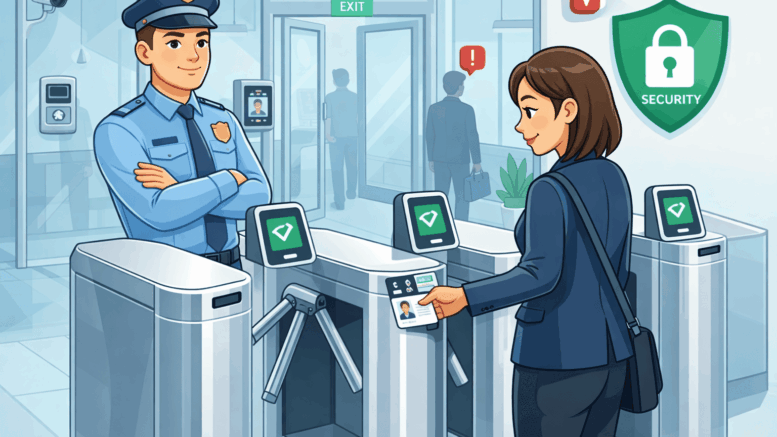
Visitor Check-In Kiosk Singapore: Cost and Features for Medical Facilities
Introduction
Medical facilities across Singapore face increasing pressure to manage visitor flows efficiently whilst maintaining strict security and compliance standards. Whether you operate a hospital, clinic, specialist centre, or healthcare institution, the challenge of processing visitor check-ins manually can consume valuable staff time and create bottlenecks during peak hours.
A visitor check-in kiosk offers a practical solution that streamlines the registration process, reduces administrative burden, and enhances the overall experience for patients, visitors, and staff. For Singapore’s healthcare sector, where infection control, data protection, and operational efficiency are paramount, implementing the right kiosk system can make a measurable difference.
This article explores what visitor check-in kiosks are, their key features, considerations for medical facilities, and how they can address common operational challenges in Singapore’s healthcare environment.
What Is a Visitor Check-In Kiosk for Medical Facilities?
A visitor check-in kiosk is a self-service terminal that allows visitors to register their arrival at a medical facility independently. Rather than requiring front desk staff to manually process each visitor, the kiosk captures essential information such as visitor name, purpose of visit, host contact details, and identification.
In medical facilities, these kiosks serve multiple functions beyond simple registration. They can screen visitors against facility policies, identify individuals who may pose safety concerns, generate visitor badges or passes, and create a digital record for traceability and compliance purposes.
The touchscreen interface is designed to be intuitive, allowing visitors of varying technical proficiency to complete the check-in process independently within seconds. This reduces queues, frees up staff to focus on patient care, and creates a more welcoming first impression for visitors.
Key Features of Visitor Check-In Kiosks for Singapore Medical Facilities
Self-Service Registration
Visitors can enter their personal details, purpose of visit, and host information directly into the kiosk without staff intervention. This self-service approach minimises contact points and reduces the time visitors spend at reception.
Identification and Authentication
Modern kiosks can capture identification documents, photograph visitors, or integrate with digital identity verification systems. For medical facilities, this ensures accurate record-keeping and supports security protocols.
Compliance and Screening
Kiosks can display health screening questions, collect declarations relevant to facility policies, and flag visitors who may not meet entry criteria. This is particularly important for medical facilities managing infection control or restricted access areas.
Badge and Pass Generation
The kiosk can print visitor badges or digital passes that serve as proof of authorisation and help staff identify legitimate visitors moving through the facility.
Real-Time Notifications
Once a visitor completes check-in, the kiosk can notify the host department or staff member, allowing them to prepare for the visitor’s arrival or confirm the visit is expected.
Data Recording and Reporting
All visitor data is captured digitally, creating an audit trail for compliance, security, and operational analysis. Reports can be generated to track visitor patterns, peak times, and facility usage.
Multi-Language Support
For medical facilities serving diverse populations in Singapore, kiosks offering multiple languages ensure all visitors can navigate the check-in process comfortably.
Why Medical Facilities in Singapore Need Visitor Check-In Kiosks
Operational Efficiency
Manual check-in processes are time-consuming and prone to errors. During busy periods, visitors may experience long queues whilst staff struggle to keep up. A kiosk processes multiple visitors simultaneously, significantly reducing waiting times and improving the visitor experience.
Safety and Security
Medical facilities must maintain secure environments to protect patients, staff, and sensitive areas. Automated check-in creates a verifiable record of who entered the facility and when. This supports security protocols and provides documentation if incidents occur.
Infection Control
Particularly following the COVID-19 experience, touchless or minimal-contact check-in methods are valuable. Digital health screening questionnaires can be completed at the kiosk, reducing direct interaction with staff and supporting infection prevention measures.
Data Protection and Compliance
Singapore’s Personal Data Protection Act (PDPA) requires organisations to handle personal data responsibly. Kiosks integrated with secure systems ensure visitor data is captured, stored, and managed in compliance with data protection requirements. Digital records are more secure than paper-based systems and easier to manage for data subject requests.
Staff Resource Allocation
By automating check-in, reception staff can focus on patient care, answering inquiries, and other high-value tasks rather than processing routine registrations. This improves service quality and staff job satisfaction.
Audit Trail and Traceability
For medical facilities subject to healthcare regulations and accreditation standards, maintaining accurate visitor records is essential. A kiosk system creates automatic, timestamped records that support compliance audits and incident investigations.
Cost Considerations for Visitor Check-In Kiosks in Singapore
The cost of implementing a visitor check-in kiosk system varies based on several factors, and it’s important to understand what influences pricing before making a decision.
Hardware Costs
The physical kiosk unit is the primary hardware expense. Costs depend on the size, durability, features (such as integrated badge printing or document scanning), and whether the system uses touchscreen, keyboard, or other input methods.
Software and Licensing
The software platform that powers the kiosk, manages visitor data, and generates reports typically involves licensing fees. These may be structured as upfront purchases, monthly subscriptions, or per-transaction fees depending on the vendor and service model.
Integration and Customisation
If your facility uses existing systems such as access control, security systems, or facility management software, integrating the kiosk may require development work. Customising workflows, branding, or specific features for your facility’s unique requirements adds to implementation costs.
Installation and Setup
Professional installation, network configuration, security setup, and staff training are necessary to deploy the system successfully. These services are often quoted separately or included in implementation packages.
Ongoing Support and Maintenance
Budget for regular maintenance, software updates, technical support, and potential hardware repairs. Many vendors offer service level agreements covering these aspects.
For Singapore medical facilities, the return on investment often becomes apparent within months through reduced staff time, improved visitor experience, and enhanced security and compliance capabilities.
Essential Features for Medical Facilities
Health Screening Integration
Medical facilities should prioritise kiosks that can display screening questions, capture visitor health declarations, and flag responses that may require staff attention.
Secure Data Handling
Ensure the kiosk system uses encryption, secure storage, and complies with data protection standards. This is non-negotiable for healthcare environments handling sensitive information.
Restricted Area Access Control
For facilities with restricted zones such as intensive care units, surgical suites, or laboratories, the kiosk should integrate with access control systems to enforce visitor restrictions.
Emergency Contact Capability
The system should enable staff to quickly contact or locate visitors in case of emergencies.
Offline Functionality
Network outages should not prevent visitor check-in. The kiosk should operate offline and synchronise data once connectivity is restored.
Reporting and Analytics
Comprehensive reporting tools help facility managers analyse visitor patterns, identify peak times, and optimise staffing and resources.
How Smart Touch Technology Visitor Management System Kiosk Helps
Smart Touch Technology provides a VMS kiosk app solution designed specifically for facilities managing visitor flows. The system allows medical facilities to deploy intuitive, self-service visitor check-in at entry points, reducing manual processing and creating accurate digital records.
By implementing a VMS kiosk app, medical facilities in Singapore can streamline operations, enhance security through verified visitor records, support compliance requirements with automated data capture, and improve the visitor experience through faster, contactless check-in processes.
The flexibility of the VMS kiosk app means it can be tailored to suit different facility layouts, operational workflows, and specific requirements such as health screening or departmental routing.
To understand how the VMS kiosk app can be customised for your facility’s specific needs, explore full product details by clicking here: https://smartouch.com.sg/vms-visitor-management-system/
Implementation Best Practices
Plan Your Placement Strategically
Position kiosks at main entry points where all visitors must check in. Ensure adequate signage and clear instructions so visitors know what to do upon arrival.
Train Staff Thoroughly
Reception and security staff must understand the system, know how to assist visitors who need help, and understand how to troubleshoot common issues.
Test Before Full Rollout
Pilot the system in one area of your facility, gather feedback, refine processes, and then expand to other locations.
Communicate with Visitors
Inform patients and visitors about the kiosk system before their visit. Provide clear instructions at entry points. Make staff available to assist visitors who are unfamiliar with technology.
Monitor and Optimise
Regularly review kiosk usage data, visitor feedback, and operational metrics. Use insights to refine workflows and improve the experience.
Maintain Data Security
Ensure the system is regularly updated with security patches. Establish clear protocols for data access, retention, and deletion to comply with data protection regulations.
Common Challenges and Solutions
Challenge: Resistance from Staff or Visitors
Solution: Emphasise the benefits—faster processing, reduced queues, improved security. Provide training, make staff advocates, and gather feedback to address concerns.
Challenge: Technical Issues or System Downtime
Solution: Implement redundancy, ensure offline capabilities, and establish swift support protocols with your vendor. Have backup manual processes documented.
Challenge: Ensuring Data Privacy Compliance
Solution: Select a vendor with demonstrated data protection practices. Establish clear data retention policies and ensure your facility’s data handling procedures align with PDPA requirements.
Challenge: Handling Visitors Requiring Assistance
Solution: Train staff to provide support, ensure the interface is accessible (large text, clear navigation), and maintain a manual check-in option for edge cases.
Conclusion
Visitor check-in kiosks are increasingly essential for Singapore medical facilities seeking to balance operational efficiency, security, compliance, and visitor experience. By automating the registration process, facilities can reduce staff workload, create verifiable audit trails, support infection control measures, and provide a smoother experience for patients and visitors.
When evaluating kiosk solutions, prioritise features relevant to healthcare environments such as health screening integration, secure data handling, access control compatibility, and reliable reporting. Consider both upfront costs and long-term benefits, including reduced manual processing time and improved compliance capabilities.
Implementing a visitor check-in kiosk system requires thoughtful planning, adequate staff training, and ongoing optimisation, but the operational and security benefits make it a worthwhile investment for most healthcare facilities.
Smart Touch Technology pte ltd , www.smartouch.com.sg +65-63964767, sales@smartouch.com.sg , www.smartouch.com.my +607-3889903 sales@smartouch.com.my